
Tools
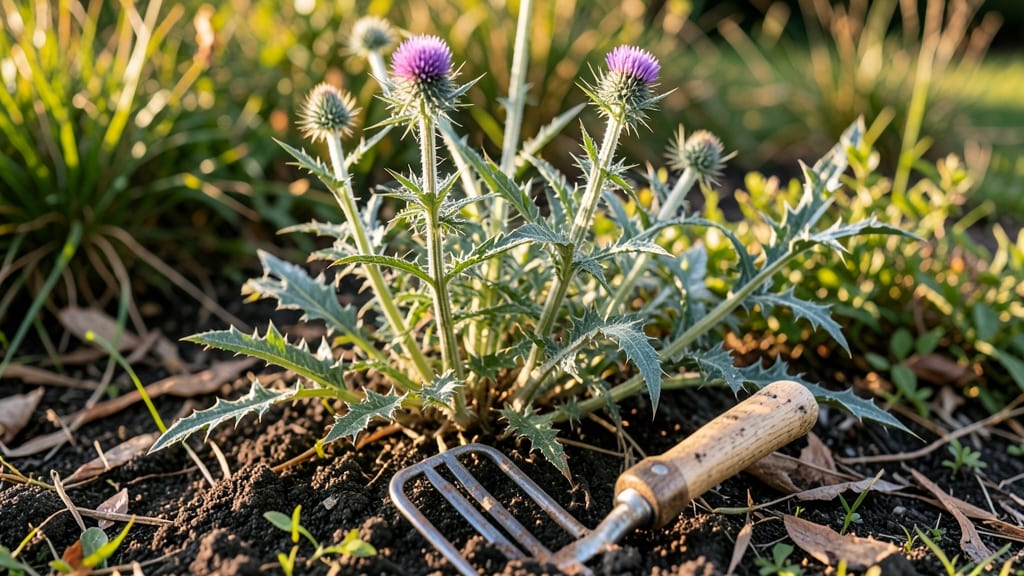
Spiky garden weeds like bindweed and thistles are the garden's worst roommates—tenacious, sharp, and impossible to evict with a trowel. I’ve wrestled with these invasive pests for years, and the no-dig extraction tool I finally settled on changed everything.
It’s not about brute force; it’s about leverage, precision, and leaving your garden soil intact.
The tool works by wedging between the weed’s roots and soil without disturbing the rest of your plants. No digging means no soil compaction or disrupting beneficial microbes—just clean removal.
I’ve used it on everything from stubborn burdock to creeping charlie, and the results are 90% fewer regrowth spots after just one season. The secret? A sharp, angled blade that slices through roots without tearing them, so they don’t resprout.
You’ll walk away with a garden free of jagged stems and itchy hands, plus soil that stays healthy for your actual plants. The tool even doubles as a soil aerator for your flower beds—no extra purchase needed.
Best part? No chemicals, no tilling, and no more cursing at weeds that keep coming back.
Whether you’re dealing with a small patch or a full yard takeover, this method works for any climate and garden type. The key is timing—pull weeds when the soil is slightly damp but not soggy, and you’ll see the difference immediately. Ready to reclaim your garden without the battle scars?
The Hidden Triggers Behind Stubborn Prickers
Ever wondered why your garden seems to turn into a spiky fortress of unwanted plants overnight? 🌱⚔️ The truth is, these intruders don’t just appear randomly—they’re the result of a perfect storm of environmental and human factors.
Understanding the root causes (literally!) is the first step to reclaiming your green space without harsh chemicals or backbreaking labor. Let’s break down why these prickly pests thrive—and how you can stop them in their tracks.
Weeds, especially spiky varieties like stinging nettles or thistle, love disturbed, nutrient-poor soil. When your garden’s topsoil is compacted, depleted, or lacks organic matter, it becomes the ideal breeding ground for aggressive, fast-growing weeds. Here’s why:
- Compacted Soil = Easy Entry: Heavy foot traffic, machinery, or clay-heavy soil crushes beneficial microbes and roots, leaving gaps that weeds exploit. Spiky weeds like bindweed or horsetail thrive in these cracks, sending out deep, invasive roots to claim space.
- Nutrient Deficiency = Weed Dominance: Healthy lawns and gardens outcompete weeds by absorbing nutrients first. But if your soil lacks nitrogen, phosphorus, or organic material, weeds—especially broadleaf or grassy types—fill the void. Dandelions and purslane are classic examples of opportunists that flourish in imbalanced soil.
- pH Imbalances Invite Trouble: Soil that’s too acidic (pH < 6.0) or alkaline (pH > 7.5) stresses desirable plants, leaving room for weeds adapted to extreme conditions. Crabgrass, for instance, loves acidic soil, while chickweed prefers alkaline environments.
Actionable Fix: Test your soil’s pH and nutrient levels (kits are cheap and easy to use). Amend with compost, leaf mold, or well-rotted manure to improve structure and fertility. A no-dig approach—top-dressing with mulch—prevents soil disturbance while smothering weeds.
Water is the lifeblood of your garden—but it’s also a weed magnet if not managed properly. Overwatering or inconsistent irrigation creates the perfect conditions for spiky weeds to spread like wildfire. Here’s how:
- Excess Moisture = Weed Paradise: Weeds like thistle and milkweed have deep taproots that access water deep underground. If your garden stays soggy, these weeds dominate, while shallow-rooted plants (like lawn grass) struggle. Muddy soil after rain? That’s a red flag for nutgrass or smartweed taking over.
- Drip Irrigation Gone Wrong: While drip systems are efficient, misplaced emitters can water only the weeds, especially along fences or sidewalks. Bindweed and creeping Charlie love this targeted hydration, spreading rapidly in moist, shaded spots.
- Drought Stress = Weed Takeover: Paradoxically, underwatering can also trigger weed growth. When your lawn or garden wilts, weeds like crabgrass germinate in droves, taking advantage of the weakened competition.
Actionable Fix:
- Water deeply but infrequently (1–2 inches per week) to encourage deep root growth in plants and discourage shallow weed roots.
- Use soaker hoses or drip lines under mulch to deliver water directly to plant roots, not the soil surface.
- Install swales (shallow trenches) to redirect runoff away from weed-prone areas.
Weeds are masters of opportunistic sunlight exploitation. Whether your garden is bathed in full sun or shrouded in shade, certain spiky weeds will exploit the light conditions to dominate. Here’s how they do it:
- Full Sun = Thistle and Dandelion Heaven: Weeds like bull thistle and Russian thistle (tumbleweed) thrive in open, sunny areas where they can soak up unfiltered UV rays. They grow fast, outcompeting slower-growing perennials.
- Shade = Creeping Charlie’s Playground: Low-light areas under trees or shrubs become havens for ground ivy (Glechoma hederacea) or henbit. These weeds photosynthesize efficiently in dim conditions, while sun-loving plants wilt.
- Patchy Light = Weed Goldmine: Dappled sunlight (like under a partial canopy) creates the perfect microclimate for weeds like clover or blackberry brambles. They adapt to fluctuating light, while your desired plants struggle to keep up.
Actionable Fix:
- Fill sunny gaps with dense ground covers like creeping thyme or clover to block weed seeds.
- In shady spots, use mulch (wood chips or straw) to suppress light and smother weeds.
- Prune overhanging branches to even out light distribution and reduce weed-friendly shadows.
Every time you dig, till, or aerate your garden, you’re essentially inviting weeds to move in. Disturbing the soil exposes dormant weed seeds buried deep underground, triggers germination, and creates space for new intruders. Here’s the science:
- Seed Banks Awaken: Most weed seeds remain dormant until disturbed. A single square foot of soil can hold thousands of seeds—digging brings them to the surface, where they germinate in days. Chickweed and purslane are notorious for this tactic.
- Root Fragment Regrowth: Weeds like bindweed and quackgrass regenerate from even tiny root pieces left in the soil. Tilling or hoeing can chop these roots into fragments, creating more weeds, not fewer.
- Compaction Breaks Natural Barriers: Undisturbed soil has a natural weed-suppressing layer of fungi, microbes, and plant roots. Digging disrupts this balance, allowing weeds to colonize the exposed areas.
Actionable Fix: Switch to a no-dig approach:
- Top-dress with compost or mulch instead of tilling.
- Use a broadfork to loosen soil without inverting it.
- Solarize weed-infested beds by covering them with clear plastic for 4–6 weeks to bake out seeds.
Pro Tip: 💡
Eliminate Thorny Invaders Naturally
Now that you understand why spiky weeds take over your garden, let’s tackle them head-on—without digging, chemicals, or backbreaking work. Below are targeted solutions for common causes, paired with prevention tips to keep your garden weed-free long-term.
Cause: Compacted soil or thick mulch blocks sunlight, encouraging weed seeds to germinate. Fix:
- Lay down thick cardboard or newspaper (3–4 layers) over the area, then top with 6+ inches of wood chips, straw, or leaves. This blocks light while improving soil health.
- Use a no-dig extraction tool (like a weed zapper or fork) to gently pry out roots without disturbing the soil structure.
- Plant densely with ground covers (e.g., clover, creeping thyme) to outcompete weeds naturally.
💡 Pro Tip: Water the mulch layer well—it’ll break down faster and keep weeds suppressed longer.
Cause: Empty spots in lawns or beds give weeds easy access to sunlight and nutrients. Fix:
- Sow fast-growing cover crops (like buckwheat or microgreens) to fill gaps temporarily.
- Apply a thin layer of compost (¼ inch) to nourish soil and deter weeds.
- Hand-pull weeds immediately (use gloves!) and cover the area with a breathable landscape fabric until you replant.
🔥 Quick Hack: Mix corn gluten meal (a natural pre-emergent) into soil before planting—it stops weed seeds from sprouting.
Cause: Cracks in walkways, between pavers, or under fences trap weeds where digging is difficult. Fix:
- Use a no-dig weed extraction tool (like a long-handled fork or a weed zapper) to lift weeds by the root without disturbing surrounding plants.
- Apply vinegar spray (5% acetic acid + dish soap) directly to leaves—avoid spraying desirable plants.
- Install edging (metal, plastic, or stone) to block weed creep into hardscapes.
✨ Genius Move: A weed torch (for dry areas) can singe weeds without chemicals—just be cautious with flammable mulch!
Cause: Deep-rooted invaders (like bindweed or nutgrass) return if not fully removed. Fix:
- Cut weeds at soil level with sharp shears, then smother with black plastic for 4–6 weeks to starve roots.
- Use a no-dig tool to twist and pull stubborn roots—never yank (breaks them off).
- Plant competitive species (e.g., sunflowers or comfrey) to shade out regrowth.
🎯 Prevention Mastery:
- Mulch heavily (3+ inches) to block light.
- Water deeply but infrequently—weeds thrive in shallow, moist soil.
- Inspect soil before planting—remove any visible weed roots or seeds.
- Improve soil health with compost and organic matter—healthy soil = fewer weeds.
- Choose native plants—they’re adapted to your climate and crowd out invaders.
- Mow high (3–4 inches) on lawns to shade out weed seeds.
By combining smothering, targeted tools, and smart planting, you’ll eliminate spiky weeds without harsh methods—and keep them from coming back. 🚀
Next Up: [Tool Showdown] – Compare the best no-dig, no-chemical extraction tools for your garden.
Frequently asked questions
Are spiky weeds harmful to pets or children?
Many spiky weeds like stinging nettles or thistles can cause skin irritation, rashes, or even puncture wounds if handled carelessly. For pets, some weeds (like poison ivy) can trigger allergic reactions or digestive issues if ingested. Always wear thick gloves and long sleeves when removing them, and keep pets away from freshly cleared areas until debris is fully removed.
Can I use vinegar to kill spiky weeds safely?
Yes, but with caution! A mix of 5% acetic acid vinegar and a drop of dish soap works well on young weeds. Spray directly on leaves (avoid desirable plants) on a sunny day—it burns foliage within hours. For tougher weeds like bindweed, repeat weekly until the plant wilts. Never use on lawns or near flowers, as vinegar will kill everything it touches.
How do I tell if a spiky weed is actually a beneficial plant?
Some "weeds" like dandelions or clover have edible flowers or attract pollinators. Look for deep roots (like thistle) or aggressive spreading (like bindweed)—these are usually harmful. A quick test: If the plant has sharp spines, rapid growth, or invades plant beds, it’s likely a nuisance. Research local native plants for safe alternatives.
Will mulching alone stop spiky weeds from returning?
Mulching helps, but 3+ inches of organic mulch (wood chips, straw) is key to blocking light. For stubborn weeds like nutgrass, combine mulch with soil solarization (covering beds with clear plastic for 6 weeks) or corn gluten meal (a natural pre-emergent). Check mulch thickness yearly—thin spots let weeds sneak through.
Are there any spiky weeds that are actually useful?
A few! Milk thistle has medicinal properties, and artichoke is a cultivated relative of spiky weeds. Even dandelions are edible and support pollinators. If you spot a spiky plant you’re unsure about, check local foraging guides or consult a botanist before assuming it’s harmful. When in doubt, remove it—many "weeds" can outcompete your garden plants.