
Tools
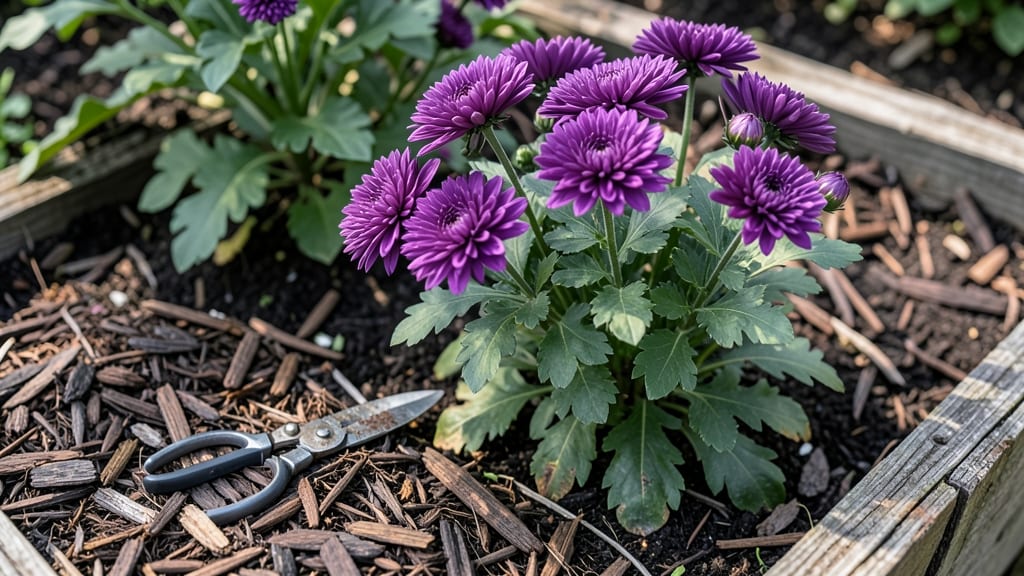
Fall garden care is the secret to a garden that wakes up strong next spring. 🌿 I’ve learned the hard way that skipping these five checks means fighting weeds, struggling soil, and plants that barely survive winter—so I now do them religiously.
The payoff? A garden that looks after itself while you’re snuggled indoors.
Start with soil prep—amend with compost now so it has time to break down before freeze-up. Then, swap out summer plants for cold-hardy varieties like kale, spinach, and garlic.
These thrive in cooler temps and even improve with frost. Don’t forget to clean up debris, which smothers beneficial insects and spreads disease over winter.
You’ll end up with a garden that’s easier to manage in spring, with fewer pests and stronger roots. The soil stays loose, plants stay healthy, and you avoid the springtime scramble to fix last fall’s mistakes. It’s the difference between a garden that fights you and one that cooperates.
Works for temperate zones, but tropical gardeners can adapt by focusing on shade-loving plants and protecting soil with mulch. The core checks stay the same—just tweak the timing and plant choices. Let’s get started!
📚 In This Guide
- What you need
- Instructions
- Tips and common mistakes
- Wrapping up and next steps
What you need
- ● Garden gloves (1–2 pairs, water-resistant, medium/large)
- ● Pruners (bypass pruners for clean cuts, 1–2 pairs)
- ● Hand trowel (stainless steel, 6–8" for precision)
- ● Garden fork (heavy-duty, 12–14" for aerating soil)
- ● Rake (leaf rake for debris, 18–24" wide)
- ● Shovel (round-point for digging, 12–14" blade)
- ● Wheelbarrow (14–16" capacity for hauling mulch/soil)
- ○ Soil test kit (optional but helpful for pH/fertility checks)
- ● Organic mulch (straw, shredded leaves, or wood chips, 2–3 cubic yards for average yards)
- ● Compost (2–3 bags or homemade, for enriching soil)
- ● Knee pads (for comfort during long tasks)
- ● Garden hose with nozzle (for watering and rinsing tools)
- ● Lawn mower or leaf blower (for clearing fallen leaves efficiently)
- ● Plant markers (if labeling new fall plantings)
- ● Slow-release fertilizer (balanced 10-10-10 or organic options)
Instructions for fall garden care: 5 simple checks to keep your garden thriving
Here's my go-to routine for fall prep—it takes less than an hour and saves headaches next spring.
🌿 Step 1: Clean Up Debris and Mulch Beds
Rake away fallen leaves and plant debris, but leave any standing stems—many perennials need them for winter protection. I focus on removing anything that could harbor pests or diseases, like black spots on roses or powdery mildew on phlox. Use a stiff broom to clear leaves from lawns too, or they'll smother grass.
Spread a 2-3 inch layer of mulch over garden beds, keeping it 6 inches away from plant stems to prevent rot. I use shredded leaves or straw—they break down slowly and improve soil as they decompose. This layer insulates roots and keeps soil temperatures stable through winter.
✂️ Step 2: Prune Perennials and Shrubs
Cut back dead or damaged stems to the ground, but leave healthy growth on perennials until spring—it protects the crown from freezing. For shrubs like hydrangeas or butterfly bush, prune only to remove crossing branches or weak growth. Never prune spring-flowering shrubs now; wait until after they bloom.
I use clean, sharp pruners to make cuts at a 45-degree angle, about ¼ inch above a bud. This encourages new growth in the right direction. If you're unsure which stems to cut, snap a photo first—you'll thank yourself in spring when you remember what was there.
💧 Step 3: Water Deeply Before Frost
Give everything a deep watering 2-3 days before the first hard frost. The goal is to moisten the soil to a depth of 12-18 inches—this ensures roots stay hydrated through winter. I check by digging down with a trowel; if the soil feels dry, water again.
For containers, move them to a sheltered spot like a garage or under an eave, and water lightly every 10-14 days if rain doesn't fall. Overwatering now can lead to rot, but letting pots dry out completely stresses plants. A quick finger test tells you what's needed.
☀️ Step 4: Protect Tender Plants and Bulbs
Wrap sensitive plants like fuchsias or geraniums in burlap or move them indoors to a sunny windowsill. For bulbs like dahlias or cannas, dig them up and store them in a cool, dry place. I label each bulb with its name and planting date—next spring, I'll know exactly where to replant them.
Mound extra soil or mulch around the base of perennials like hostas or asters to shield them from freezing temperatures. This simple step can mean the difference between plants that survive and ones that don't. Even a light frost won't harm them if their roots stay insulated.
🌱 Step 5: Plan for Spring Plantings
Take notes on what thrived this year and what didn’t—this is your roadmap for next spring. I sketch a quick layout of my garden, marking where perennials need dividing, where annuals performed best, and where I want to add new plants. This saves time in the chaos of spring planting.
Order seeds or bulbs now while supplies are fresh, and check soil pH if you noticed nutrient deficiencies. A simple soil test kit (available at garden centers) gives you exact numbers for adjusting pH or adding amendments. Fall is the perfect time to improve soil without rushing—it has months to settle before spring planting.
Tips & tricks for perfect fall garden care
Between us, these little adjustments make all the difference between a garden that thrives and one that struggles through winter.
Timing is Everything: I always schedule my fall garden prep for a week before the first hard frost—this gives plants time to adjust to the seasonal change. Check your local frost date and work backward from there. If you're in a region with unpredictable weather, do your deep watering 2-3 days before the forecasted frost, not on the day itself. Plants need time to absorb that moisture.
Mulch Like a Pro: When spreading that 2-3 inch layer of mulch in Step 1, don't just pile it up—fluff it out evenly. I like to use a rake to create a smooth, even layer that covers the soil completely but stays 6 inches away from stems. This prevents rot while still insulating roots. For extra protection, top with a thin layer of straw—it breaks down slowly and adds organic matter as it decomposes.
Pruning Precision: Those 45-degree angle cuts in Step 2 aren't just for looks—they help water run off stems instead of pooling at the cut, which can cause rot. I always clean my pruners with rubbing alcohol between cuts to prevent spreading disease. For large shrubs, take your time and make cuts in stages if needed—don't rush the process. And remember, spring-flowering shrubs are off-limits until after they bloom.
Container Care: For potted plants in Step 3, I move them to a sheltered spot like a garage or under an eave before temperatures drop below 40°F. If you can't move them, wrap containers in bubble wrap or burlap to add insulation. Water lightly every 10-14 days only if it hasn't rained—overwatering now can lead to rot, but don't let pots dry out completely either. A quick finger test (inserting your finger about an inch into the soil) tells you what's needed.
Pro Tips for Fall Garden Care
- Between us, these little adjustments make all the difference between a garden that thrives and one that struggles through winter.
- Timing is Everything: I always schedule my fall garden prep for a week before the first hard frost—this gives plants time to adjust to the seasonal change.
- Mulch Like a Pro: When spreading that 2-3 inch layer of mulch in Step 1, don't just pile it up—fluff it out evenly.
Frequently asked questions
Got questions about keeping your garden vibrant through fall?
You’re not alone! Here are answers to the most common concerns—so you can enjoy a lush, low-maintenance garden until winter.
When should I start fall garden care?
Begin as soon as daytime temps drop below 80°F (around mid-September in most regions). This timing helps plants recover from summer stress while avoiding early frost. Focus on soil prep, mulching, and planting cool-season crops like kale or spinach for a head start in spring.
What are the best plants for a low-maintenance fall garden?
Opt for hardy perennials (lavender, sedum, or ornamental grasses) and cold-tolerant annuals (pansies, snapdragons). For veggies, try broccoli, carrots, or garlic—they thrive in cooler weather and require minimal upkeep. Pro tip: Choose native plants to reduce watering and pest issues!
How do I protect my garden from early frost?
Use row covers, cloches, or frost blankets to shield tender plants. Mulch heavily (3–4 inches) with straw or leaves to insulate roots. For container plants, move them to a sheltered spot or indoors. Monitor local frost dates—they’re your best guide!
Can I still use summer tools in fall garden care?
Most tools work year-round, but switch to a lighter rake for leaf cleanup and use a broadfork to aerate soil without disturbing roots. A pruner with bypass blades is ideal for trimming perennials. Sharpen blades before use—dull tools tear plants and invite disease.
Why are my fall plants wilting or turning yellow?
Common causes include overwatering, nutrient depletion, or pests (like aphids). Check soil moisture—fall air is crisp, but roots need consistent hydration. Amend soil with compost or a balanced fertilizer (like 10-10-10) to revive growth. Inspect leaves for holes or sticky residue to catch pests early.
Wrapping up and next steps
Fall garden care doesn’t have to be overwhelming—just a few mindful checks can set your garden up for year-round success. From mulching to soil prep and seasonal planting, these simple steps ensure your outdoor space stays vibrant, even as the temperatures drop. 🍂
Now that you’re armed with the know-how, grab your tools and get started! Whether you’re a seasoned gardener or a beginner, every small effort makes a difference. Which task will you tackle first? Happy gardening!