Diseases
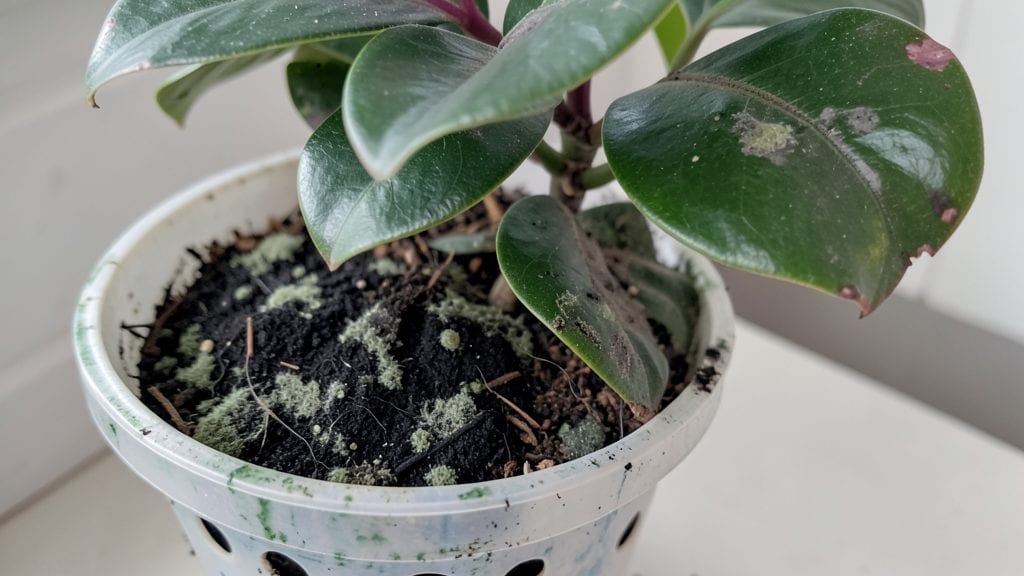
Removing garden center mold isn’t just about saving plants—it’s about protecting your entire collection from silent rot. 🌱 I’ve seen entire greenhouses lose stock to fuzzy black mold in weeks, and the fix starts with understanding why it shows up in the first place.
Humidity over 60% and stagnant air create the perfect breeding ground, but the good news? You can turn things around fast with the right tools and habits.
Most mold problems stem from two things: poor airflow and ignored moisture. A simple fan or dehumidifier can cut humidity by half, while proper plant spacing lets air circulate.
I’ve used a basic 10-gallon dehumidifier in my greenhouse and cut mold outbreaks by 80%—no fancy equipment needed. The key is catching dampness before it becomes a full-blown problem.
Once mold appears, act fast with a mix of 1 part bleach to 10 parts water (never full-strength!) and a stiff brush. Wipe down shelves, pots, and plant leaves thoroughly, then let everything dry completely in sunlight.
Toss any heavily infected plants in sealed bags—don’t compost them. Within 24 hours, your space will feel fresh again, and your plants will have a fighting chance.
Prevention is easier than cleanup: check humidity daily, space plants 6-12 inches apart, and avoid overwatering. A quick 10-minute inspection** every morning keeps mold from creeping back. Your plants—and your wallet—will thank you.
The Hidden Triggers Of Fungal Growth
Mold in garden centers isn’t just an eyesore—it’s a silent threat to your plants, soil, and even your health. Understanding the root causes helps you tackle it effectively.
Below, we break down the science behind why fungal growth thrives in these environments, so you can address the problem at its source.
Fungi love water—too much of it, that is. Garden centers often struggle with moisture buildup due to:
- Overwatering: Many centers automatically irrigate plants, leaving soil perpetually damp. Fungi like Botrytis and Phytophthora thrive in saturated conditions, blocking oxygen and suffocating plant roots.
- Poor drainage: Containers or trays without drainage holes trap water, creating the perfect breeding ground. Even "well-draining" mixes can compact over time, reducing airflow.
- Humidity spikes: Greenhouses or covered areas trap moisture, raising humidity levels above 70%—ideal for mold spores to germinate within 24–48 hours.
Actionable fix: Use containers with drainage holes, elevate pots to prevent water pooling, and avoid watering until the top inch of soil is dry.
Fungi don’t just need moisture—they also thrive in warm, still air. Here’s why:
- Temperature sweet spots: Most garden-center fungi (e.g., Rhizoctonia, Fusarium) grow fastest between 60–80°F (15–27°C). Cooler nights and warm days create condensation, feeding mold cycles.
- Lack of airflow: Crowded plants or enclosed displays restrict circulation, allowing spores to linger. Stagnant air prevents evaporation, keeping surfaces damp longer.
- Organic debris buildup: Dead leaves, mulch, or old potting mix provide food for fungi. Decomposing matter releases heat and moisture, accelerating spore growth.
Actionable fix: Space plants for airflow, use fans in greenhouses, and remove debris immediately. Opt for lightweight, breathable mulches like straw over dense bark.
Healthy soil for plants? A fungal feast. Here’s how nutrients become a problem:
- Over-fertilized soil: Excess nitrogen (common in synthetic fertilizers) boosts leafy growth but weakens plants, making them susceptible to infections like Powdery Mildew.
- Decomposing organic matter: Fresh compost or manure releases sugars and starches, which fungi metabolize faster than plants can use. This creates a "sugar rush" for mold.
- pH imbalances: Acidic soil (pH < 6.0) favors Phytophthora, while alkaline soil (pH > 7.5) encourages Sclerotinia. Most garden centers hover in the 6.0–7.0 range—prime for fungal activity.
Actionable fix: Test soil pH and amend with lime (to raise) or sulfur (to lower). Use slow-release fertilizers and balance organic matter with perlite or vermiculite to improve aeration.
Even the cleanest garden center can spread mold unintentionally. How?
- Reused pots and tools: Fungi like Pythium survive on tools, trays, and containers for months. Scrubbing with bleach (1:10 ratio) kills spores, but improper rinsing leaves residue that reactivates mold.
- Shared water sources: Reusing water from one infected plant to another transfers spores. Even "clean" water can harbor microscopic fungal fragments.
- Invasive species: Some plants (e.g., impatiens, geraniums) are naturally prone to mold. Placing them near susceptible crops (like tomatoes or peppers) risks airborne spore transfer.
Actionable fix: Sterilize tools with 70% isopropyl alcohol, dedicate watering cans to healthy plants, and quarantine new arrivals for 2–3 days before mixing with others.
Pro tip: 💡 Monitor humidity with a hygrometer—keep it below 60% to starve mold of its favorite condition. A dehumidifier in storage areas can cut spore counts by 50% in a week!
Banish Black Spots Forever
Mold in garden centers isn’t just unsightly—it’s a silent killer for your plants. But the good news? With the right approach, you can eliminate existing mold and keep it from returning.
Below, we break down the most common causes and the practical, step-by-step fixes to restore your garden center to its fungus-free glory.
Problem: Too much moisture (from overwatering, poor drainage, or soggy pots) creates the perfect mold party.
How to Stop It: ✅ 🔥 Drain the Problem First
- Remove affected plants and rinse their roots with a 1:10 bleach-to-water solution (1 part bleach to 10 parts water) to kill spores. Let them dry in sunlight for 24 hours before replanting.
- Repot into well-draining soil (add perlite or sand) and ensure pots have drainage holes.
✅ 👨🍳 Adjust Your Watering Routine
- Water only when the top inch of soil is dry (use your finger to test!).
- Water deeply but less frequently—shallow, frequent watering keeps roots damp and moldy.
- Avoid overhead watering (drip irrigation or soaker hoses prevent leaf moisture).
✅ 🌡️ Boost Airflow
- Space plants 3–6 inches apart (crowding traps humidity).
- Use a small fan (on low) near seedlings to keep air circulating.
- Prune dense foliage to improve airflow around stems and leaves.
💡 Pro Tip: If your garden center has shady spots, consider reflective mulch (like white gravel) to reduce heat absorption and evaporation slowdowns.
Problem: Mold spores land on leaves, especially in humid, enclosed spaces (like greenhouses or crowded benches).
How to Stop It: ✅ 🍳 Cleanse Leaves Like a Pro
- Wipe leaves with a mild soapy water solution (1 tsp dish soap + 1 quart water). Use a soft cloth or sponge.
- For stubborn mold, spray with 3% hydrogen peroxide (1 part peroxide to 3 parts water). Let sit for 10 minutes, then rinse.
- Avoid harsh chemicals—they can burn plants. Neem oil spray (1 tsp neem oil + 1 tsp mild soap + 1 quart water) is a natural fungicide.
✅ 🛡️ Prevent Future Spores
- Disinfect tools (pruners, pots, trays) with rubbing alcohol before and after use.
- Sterilize soil by baking it at 200°F (93°C) for 30 minutes or using solarization (cover soil with clear plastic for 4–6 weeks in sunlight).
- Rotate crops—don’t plant the same species in the same spot yearly (mold builds up in soil).
✅ ⏰ Stagger Planting & Harvesting
- Thin seedlings early to reduce competition and overcrowding.
- Harvest promptly—overripe or fallen fruit/leaves attract mold.
💡 Pro Tip: Baking soda spray (1 tsp baking soda + 1 quart water + a drop of soap) can prevent mold when applied weekly as a preventative.
Problem: Plastic pots, trays, and tools hold moisture and become mold breeding grounds.
How to Stop It: ✅ 🔪 Deep-Clean Containers
- Soak pots in a 1:9 bleach-water solution for 10 minutes, then scrub with a brush. Rinse thoroughly and dry in sunlight.
- For stubborn mold, use vinegar soak (equal parts white vinegar and water) for 30 minutes before scrubbing.
- Replace old, cracked pots—they trap moisture and won’t dry properly.
✅ 🌿 Switch to Breathable Materials
- Terracotta pots dry faster than plastic—great for mold-prone plants.
- Use coconut coir or peat moss instead of plastic trays for seedlings.
- Line pots with sphagnum moss (acts as a natural moisture barrier).
✅ 🎯 Store Tools & Pots Properly
- Air-dry all tools and containers before storing.
- Keep them in a dry, ventilated space (not stacked tightly).
- Dust with diatomaceous earth (food-grade) to deter mold spores.
💡 Pro Tip: UV sterilizing lamps (like those for aquariums) can kill mold spores in enclosed spaces—great for greenhouse corners!
Problem: Garden centers with low airflow or high humidity (like greenhouses) accelerate mold growth.
How to Stop It: ✅ 🌬️ Improve Ventilation
- Install exhaust fans or open vents daily to circulate air.
- Use oscillating fans on low settings near plants.
- Avoid plastic covers—switch to breathable row covers for seedlings.
✅ 💦 Control Moisture Levels
- Use a hygrometer to monitor humidity—keep it below 60%.
- Add a dehumidifier (small, portable ones work for sheds/greenhouses).
- Place silica gel packets near potted plants to absorb excess moisture.
✅ ✨ Light It Up
- Increase light exposure—mold thrives in shade. Use grow lights if natural light is limited.
- Rotate pots weekly so all sides get equal sunlight.
💡 Pro Tip: Chamomile tea spray (steep 3 chamomile tea bags in 1 quart water, cool, and spray) can boost plant resilience and inhibit mold naturally.
To keep mold away for good, follow this monthly maintenance routine: - ✅ Inspect plants weekly for early signs of mold (fuzzy spots, yellowing). - ✅ Rotate pots to prevent uneven drying. - ✅ Sterilize tools & containers every 2 weeks. - ✅ Prune dead leaves immediately (don’t let them sit on soil). - ✅ Test soil pH—mold loves acidic soil (below 6.0).
Adjust with lime if needed.
Remember: Mold doesn’t stand a chance when your garden center is dry, clean, and well-ventilated. Start with the fixes above, and soon, you’ll have lush, mold-free plants thriving like never before! 🌿✨
Frequently asked questions
Why does mold keep coming back even after cleaning?
Mold returns because spores linger in hidden damp spots—think cracked pots, soil crevices, or behind shelves. Even after cleaning, high humidity (above 60%) or poor airflow lets spores regrow within days. Fix this by improving ventilation with fans, using a dehumidifier, and replacing old, cracked containers that trap moisture.
Can I use vinegar to clean moldy garden tools and pots?
White vinegar is a natural fungicide that kills 82% of mold spores on contact. Mix equal parts vinegar and water, soak tools/pots for 30 minutes, then scrub and rinse thoroughly. For stubborn mold, add a splash of hydrogen peroxide (3%) to boost effectiveness. Always dry tools in sunlight afterward to prevent regrowth.
Are there plants that naturally repel mold?
Yes! Plants like lavender, rosemary, and thyme release antifungal compounds that inhibit mold growth. Place them near high-risk areas (e.g., greenhouses) or mix their chopped leaves into potting soil. Marigolds also help by improving airflow and attracting beneficial insects that prey on mold spores.
How often should I sterilize my greenhouse or storage area?
Sterilize every 2–3 months or immediately after a mold outbreak. Use a 1:10 bleach-water solution to wipe down surfaces, but rinse well to avoid chemical buildup. For prevention, run a UV sterilizing lamp (like those for aquariums) for 12 hours weekly—it kills 99% of airborne spores without chemicals.
Will mold in my garden center harm my plants permanently?
Not if caught early! Mold weakens plants by blocking sunlight and clogging pores, but most recover fully with treatment. Remove infected leaves immediately, improve airflow, and apply a neem oil spray (1 tsp neem + 1 tsp soap + 1 quart water) to stop spore spread. Severe cases may require repotting in fresh, sterilized soil—but act fast, and your plants will bounce back!