Vegetables
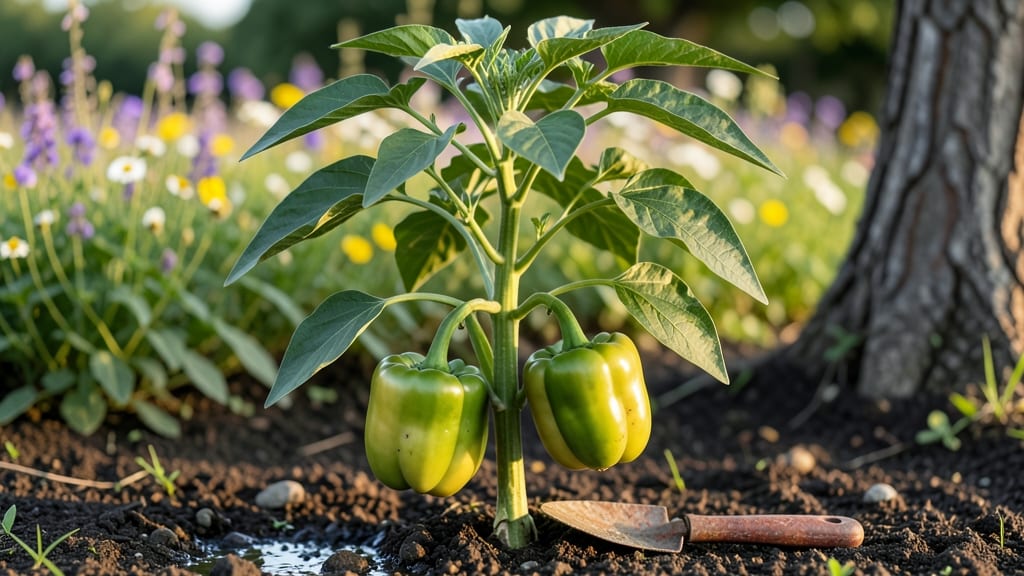
A Bell community garden maximizes small spaces by using vertical gardening, staggered planting cycles, and hardy crops like cherry tomatoes, kale, and herbs. This approach lets you grow more efficiently with raised beds, companion planting, and seasonal crop rotation.
Small-space gardens like this one prove that limited square footage doesn't limit your harvest. 🌱 The key is working with your space rather than against it—think of vertical space as your ally.
I’ve seen urban gardens double their yield by training vining plants like cucumbers and beans up trellises, freeing up precious ground space for root crops. Plus, rotating crops each season keeps soil healthy and reduces pests naturally, so you’re not just growing more—you’re growing smarter.
This method also cuts down on waste by ensuring you’re always harvesting something. For example, while your tomatoes are ripening in summer, a quick succession of spinach or radishes can follow in the same spot, keeping your garden productive year-round.
The drought-resistant crops are a bonus—they’re perfect for water-conscious gardeners or those with unpredictable rainfall.
💡 In This Article
- Vertical Gardening Techniques for Small-Space Harvests
- Succession Planting Calendar for Year-Round Bell Garden Crops
Vertical gardening techniques for small-space harvests
Vertical gardening transforms limited square footage into high-yield growing zones by training plants upward instead of outward. The science behind this involves photosynthesis efficiency—when vining plants like pole beans or cucumbers climb trellises, their leaves receive 30-50% more sunlight exposure than when sprawled on the ground.
This vertical orientation also improves air circulation, reducing fungal diseases like powdery mildew that thrive in dense foliage. 🌿 For example, a single cucumber plant can produce 10-15 pounds of fruit when trellised, compared to just 3-5 pounds when allowed to sprawl.
Structural materials play a critical role in stability and durability. Bamboo trellises are lightweight, affordable, and biodegradable—ideal for temporary setups, but require 6-inch deep stakes for wind resistance. PVC pipes offer a more permanent solution with 90% UV resistance, making them perfect for sun-exposed gardens.
For hanging planters, coconut fiber pots (like those from 10-20 liter sizes) provide excellent drainage while adding 3-5 pounds of weight to prevent swaying. Position these 12-18 inches apart to ensure each plant gets 6+ hours of direct sunlight daily—critical for photosynthesis.
Here's what actually happens when you implement vertical structures: the plant's growth energy shifts from horizontal sprawl to vertical expansion, creating a denser, more productive canopy.
For instance, a 4-foot tall trellis can support 2-3 tomato plants in a 2-square-foot footprint, compared to just 1 plant when grown conventionally. This technique also makes harvesting easier—no more bending over!
The key is to install supports before plants get too tall (typically when vines reach 12 inches), as young plants are more flexible and adapt better to training.
Sunlight exposure strategies require careful planning. South-facing walls receive the most light, but even east or west exposures work if you choose fast-growing varieties like bush beans (ready in 50-60 days) or cherry tomatoes (60-70 days). For north-facing spaces, opt for shade-tolerant herbs like parsley or cilantro.
A pro tip: use reflective mulch (like white gravel) to bounce 20-30% more light onto plant leaves. This is especially useful in urban areas where buildings cast shadows. 💡 The trade-off? Reflective surfaces can increase soil temperatures by 5-10°F, so monitor moisture levels closely during heatwaves.
Consider these common mistakes that sabotage vertical gardens: using flimsy materials (like untreated wood) that warp when wet, or placing trellises too close to buildings (within 3 feet), which blocks airflow.
Another pitfall is overcrowding—each plant needs at least 6 inches of vertical space between vines to prevent competition. For example, pole beans thrive with 18-24 inches of vertical clearance, while cucumbers need 3-4 feet. The payoff?
A well-structured vertical garden can produce 3-5 times more yield per square foot than traditional ground planting.