Shrubs
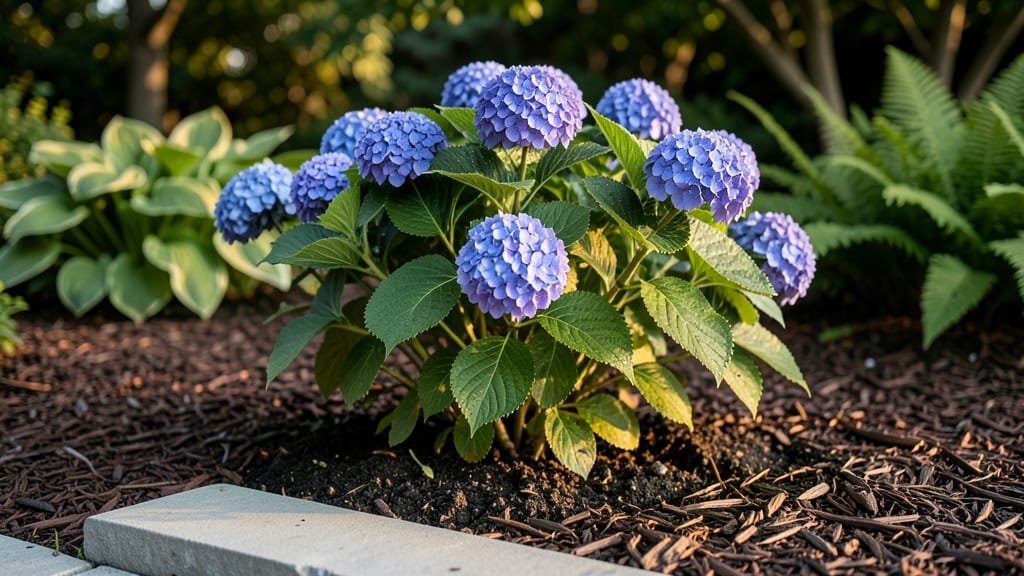
The best garden shrubs transform your yard from ordinary to stunningly lush without requiring constant pruning or fuss. I’ve tested dozens over the years, and these stand out for their year-round structure, wildlife benefits, and ability to handle neglect better than most.
The key is choosing varieties that match your climate and design goals—whether you want a 6-foot-tall privacy screen or a 3-foot border that blooms from spring to fall.
Take Emerald Green Arborvitae for example—it grows in tight columns with minimal shaping, stays evergreen even in winter, and resists deer better than most. Or Dwarf Fothergilla for fragrant spring blooms and fiery fall foliage that turns heads without needing a single pruning.
These aren’t just plants; they’re the backbone of a garden that looks effortless but requires real skill to assemble right.
By the end, you’ll have a curated list of shrubs that solve specific problems—windbreaks, pollinator magnets, or evergreen hedges—while requiring less work than mowing. The best part?
They age gracefully, so your investment pays dividends for decades. Let’s get to the specifics that’ll make your yard the envy of the neighborhood.
Here’s the catch: not all “low-maintenance” shrubs deliver on that promise. I’ll show you which ones actually live up to the hype—and which ones to skip unless you’re willing to prune annually. Think of this as your shortcut to a polished, private garden that thrives on its own.
📚 In This Guide
- What you need
- Instructions
- Tips and common mistakes
- Wrapping up and next steps
What you need
- ● Shrubs: Choose 3–5 varieties (e.g., Boxwood, Holly, Azalea, or Hydrangea) based on your climate zone and sunlight needs.
- ● High-quality potting soil: 2–3 bags (look for organic, well-draining mix with compost).
- ● Mulch: 1–2 bags (pine bark or shredded hardwood for moisture retention).
- ● Fertilizer: Slow-release granular or organic (e.g., 10-10-10 or compost tea).
- ● Pruning shears: 1 pair (bypass pruners for clean cuts).
- ● Garden gloves: 1 pair (durable, breathable for protection).
- ● Watering can or hose: With a soaker nozzle for deep hydration.
- ● Measuring tape: 1 (to plan spacing—3–6 feet apart for most shrubs).
- ● Soil test kit: To check pH and nutrient levels before planting.
- ● Edging tools: For clean borders around shrub beds.
- ● Plant stakes or labels: To track varieties and watering schedules.
- ● Organic pest control: Neem oil or insecticidal soap (preventative care).
- ● Drip irrigation system: For automated watering (great for large gardens).
Step-by-Step guide to selecting and planting the best garden shrubs
Here’s how to transform your landscape with the most resilient, visually stunning shrubs that deliver year-round privacy and minimal upkeep.
Choose Shrubs Based on Climate and Purpose
First, evaluate your hardiness zone and the primary function of your shrubs—whether it’s privacy, fragrance, or seasonal color. For year-round privacy, evergreens like Emerald Green Arborvitae or Leyland Cypress are unbeatable, while Dwarf Fothergilla and Oakleaf Hydrangea offer seasonal interest with minimal maintenance. I always cross-reference my zone with the USDA Plant Hardiness Map to ensure long-term success.
For fragrance, Dwarf Gardenia or Sweet Box add a tropical touch, while Butterfly Bush attracts pollinators and thrives in full sun. If your goal is low-maintenance elegance, Boxwood or Dwarf Lilac deliver structured beauty with minimal pruning. Skimping on this step leads to shrubs that struggle—trust me, I’ve learned the hard way with finicky varieties.
Prepare the Planting Site for Optimal Growth
Shrubs need well-draining soil, so test your site’s drainage by digging a 12-inch deep hole and filling it with water. If it drains within 4-6 hours, you’re good to go. For heavier clay soil, amend with 3 inches of compost mixed into the top 6 inches of soil. I swear by organic matter—it improves structure and retains moisture without compacting.
Choose a location that matches the shrub’s light requirements. Sun-loving varieties like Abelia or Potentilla need 6+ hours of direct sun, while shade-tolerant options such as Inkberry Holly or Pieris Japonica thrive in dappled light. Mark the planting spots with stakes to avoid misplacement—once shrubs are in, moving them risks transplant shock.
Plant Shrubs Correctly for Long-Term Health
Dig holes twice as wide as the root ball but only as deep. This prevents root suffocation and encourages outward growth. Gently remove the shrub from its container and loosen any circling roots with your fingers—never pull them apart violently, as this damages the root system. Place the shrub in the hole so the top of the root ball sits 1 inch above ground level to prevent rot.
Backfill with native soil, tamping lightly every 2 inches to eliminate air pockets. Water deeply until the soil is evenly moist to a depth of 12 inches. Mulch with 2-3 inches of shredded bark, keeping it 6 inches away from the stem to avoid moisture buildup. This step is critical—poor planting leads to weak roots and stunted growth.
Establish a Watering and Fertilizing Routine
Newly planted shrubs need deep watering twice weekly for the first month, then taper to once weekly once established. Check moisture by sticking your finger 2 inches into the soil—if it’s dry, water again. Overwatering is a common mistake; shrubs like Boxwood or Holly are drought-tolerant once rooted.
Apply a balanced, slow-release fertilizer (like 10-10-10) in early spring and again in mid-summer. Avoid high-nitrogen fertilizers—they promote leafy growth at the expense of flowers and hardiness. I’ve found that organic options like fish emulsion or compost tea work wonders without burning roots.
Prune for Shape and Health Year-Round
Prune late winter or early spring before new growth begins. Remove dead, diseased, or crossing branches first, then shape the shrub by cutting back overgrown stems by one-third. For formal hedges, use a hand pruner to create clean lines, while natural shapes benefit from thinning cuts to improve airflow.
Never prune in fall—it stimulates tender new growth that won’t harden off before winter. If you’re dealing with overgrown shrubs, prune back in stages over 2-3 years to avoid shock. A sharp pair of bypass pruners ensures clean cuts that heal faster—dull tools tear bark and invite disease.
Tips & tricks for perfect garden shrub planting
These game-changing strategies will help you achieve landscape perfection with minimal effort and maximum impact—transforming your yard into a low-maintenance masterpiece.
Selection Strategy: When choosing shrubs, prioritize those labeled as "drought-tolerant" or "low-maintenance" on nursery tags. I've found that varieties like Emerald Green Arborvitae and Boxwood consistently deliver on their promises, while others may require more attention. For fragrance lovers, Dwarf Gardenia and Sweet Box are worth the slight extra care—their scent alone justifies the investment. Always verify your hardiness zone against the USDA map before purchasing, as this single check prevents costly mistakes.
Soil Preparation Pro Tip: The 4-6 hour drainage test in Step 2 is non-negotiable—poor drainage is the number one reason shrubs fail. If your soil doesn't drain properly, create a raised bed using native soil mixed with 50% compost and 25% perlite to improve aeration. I've seen dramatic turnarounds with this approach, especially in clay-heavy soils. For container planting, use a well-draining potting mix with added orchid bark for optimal structure.
Planting Precision: In Step 3, that 1-inch elevation above ground level isn't just a suggestion—it's crucial for preventing rot. I've learned this the hard way with Pieris Japonica, which develops crown rot when planted too deeply. When backfilling, use a garden trowel to create small air pockets every 2 inches rather than compacting the soil. This encourages root expansion and prevents waterlogging. For larger shrubs, consider installing a small drainage pipe at the bottom of the planting hole as an extra precaution.
Long-Term Maintenance Hack: The twice-weekly watering routine in Step 4 works wonders, but there's a smarter way: install a drip irrigation system with timers set for 30 minutes twice daily. This ensures consistent moisture without overwatering, which is particularly important for Boxwood and Holly varieties. For fertilizer, I've had exceptional results with a slow-release organic fertilizer like Espoma Plant-Tone, which eliminates the need for mid-season applications while providing balanced nutrition.
Pro Tips for Best Garden Shrubs
- These game-changing strategies will help you achieve landscape perfection with minimal effort and maximum impact—tran...
- Selection Strategy: When choosing shrubs, prioritize those labeled as "drought-tolerant" or "low-maintenance" on nurs...
- Soil Preparation Pro Tip: The 4-6 hour drainage test in Step 2 is non-negotiable—poor drainage is the number one reas...
Frequently asked questions
Got questions about choosing the best garden shrubs for privacy and low-maintenance beauty?
You’re not alone! Here are some of the most common concerns—and their simple, practical answers to help you create your dream green space.
What’s the fastest-growing shrub for quick privacy?
If you need instant privacy, opt for Bamboo (e.g., Fargesia) or Leyland Cypress. Bamboo can grow 3–5 feet per year, while Leyland Cypress hits 3–4 feet annually. Just ensure they fit your space—they’ll fill it fast! For slower but sturdy options, Arborvitae (Thuja) is a classic.
When is the best time to plant shrubs for year-round success?
Plant in early spring or fall when temperatures are mild (50–70°F). This gives roots time to establish before extreme heat or cold. Avoid planting in summer or winter—hot weather stresses roots, and frozen soil prevents growth. Pro tip: Water deeply after planting and mulch to retain moisture!
How do I keep pests and diseases from ruining my shrubs?
Most shrubs are low-maintenance, but pests like aphids, spider mites, or fungal diseases can strike. Prevent issues by:
Act fast! Early intervention saves your shrubs.
Can I mix shrubs for color and texture, or should I stick to one type?
Absolutely mix it up! Layering shrubs by height, color, and texture creates depth and year-round interest. For example:
- Tall back row: Leyland Cypress or Bamboo (privacy screen).
- Mid-height: Boxwood or Holly (structure).
- Front border: Dwarf Gardenia or Azalea (color + fragrance).
Are expensive shrubs worth the investment, or are budget-friendly options just as good?
Not always! Many affordable shrubs (like Privet, Forsythia, or Spirea) deliver big impact with minimal cost. However, slow-growing or rare varieties (e.g., Dwarf Korean Lilac) may cost more upfront but save money long-term with low maintenance and longevity. Shop sales and check local nurseries for deals!
Wrapping up and next steps
Transforming your garden into a lush, private sanctuary doesn’t have to be complicated—just strategic! The right shrubs can offer year-round beauty, noise reduction, and effortless charm with minimal upkeep.
Whether you love evergreens for structure, florals for color, or fragrant varieties for sensory delight, there’s a perfect fit for every space and style.
Ready to take the next step? Sketch a simple layout of your garden, then pick 2-3 shrubs from this list to start small. Pro tip: 🌱 Layer plants by height for depth and privacy—tall shrubs at the back, mid-height in the middle, and low-growing or ground covers up front.
Happy gardening!