Trees
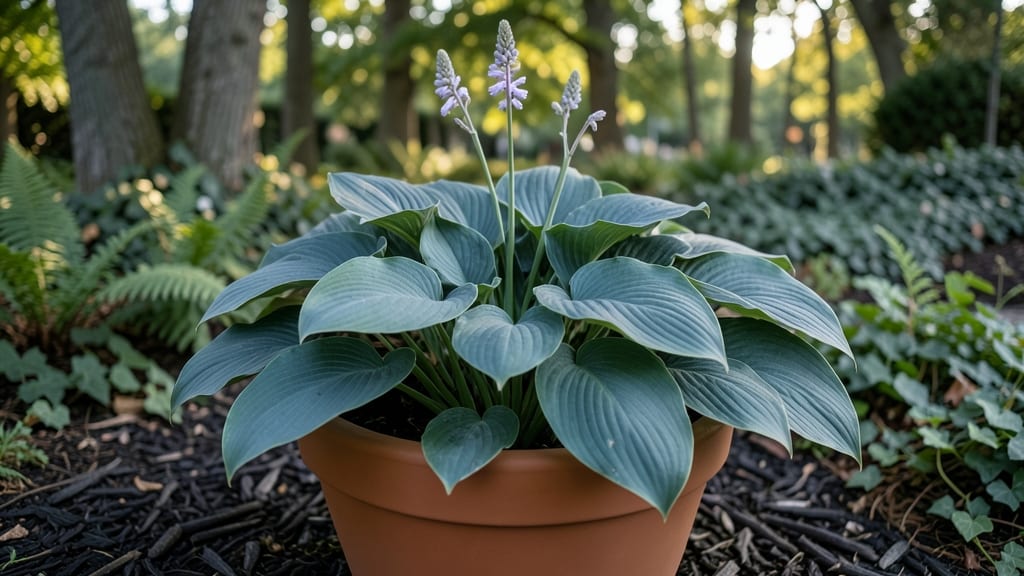
Hosta gardens pictures reveal how bold foliage combinations—like deep blues, rich greens, and variegated varieties—create dramatic visual impact when paired with heuchera, ferns, and ornamental grasses for layered contrast.
Hostas are the backbone of shade gardens, and their foliage colors—ranging from cobalt blue to golden yellow—act as a canvas for creative design.
The key to eye-catching hosta gardens lies in strategic pairings that play with light and shadow, like pairing blue hostas with chartreuse ferns to make both stand out. 💫 Seasonal changes also matter: what looks stunning in spring (when hostas are freshest) might need adjustments for fall, when some varieties develop bronze or purple tinges.
I’ve found that adding textural plants—like heuchera with its velvety leaves or Japanese maples for height—elevates the composition by adding depth and movement.
For maximum impact, focus on three-color palettes (e.g., blue + gold + white variegated) and repeat key plants in odd-numbered groupings. This creates rhythm while keeping the garden from feeling cluttered.
Pro tip: Use ornamental grasses like Hakonechloa to add vertical lines that draw the eye upward, balancing the low-growing hostas.
💡 In This Article
- Designing Hostas with Color Theory in Mind
- Best Hosta and Companion Plant Combinations
Designing hostas with color theory in mind
Color theory isn't just about aesthetics—it's about how our brains perceive contrasts and harmonies. Hostas thrive in shade, but their foliage colors (ranging from deep blues to golden yellows) create visual drama when paired strategically.
The key lies in complementary colors on the color wheel—like pairing blue hostas with chartreuse ferns—which make each other pop by creating optical contrast. Our eyes detect these opposing hues more vividly because they sit opposite each other in the light spectrum, triggering stronger neural responses. 💫
Temperature plays a hidden role too. Cooler-toned hostas (like 'Blue Angel' or 'Halcyon') reflect more blue light, making them appear even more striking against warm companions. Meanwhile, golden hostas (such as 'Francee') emit warmer wavelengths that contrast beautifully with deep purples or silvery foliage.
The science? Warm colors advance visually while cool colors recede—creating depth in your garden design. For example, a 3-foot-tall blue hosta beside a 2-foot-tall golden heuchera will make the heuchera appear closer, adding dimension.
Seasonal shifts add another layer. In spring, hostas emerge with their freshest colors, but by fall, varieties like 'Guacamole' develop bronze tinges while others (like 'Patriot') turn deep purple. This means your summer palette might need adjustments for autumn interest.
Pro tip: Plant heuchera or coral bells nearby—their foliage colors shift too, creating a dynamic tapestry throughout the year. The contrast between hostas' summer greens and fall purples with heuchera's coppery hues creates a natural progression that feels intentional. ✨
Light conditions matter just as much as color. Hostas in partial shade (3-6 hours of sunlight) develop more vibrant colors than those in deep shade, where foliage may appear muted. This is why gardeners often place blue hostas near east-facing borders—they get morning light to intensify their hue.
For maximum impact, group hostas in odd-numbered clusters (like 3 or 5 plants) to create focal points that draw the eye. The repetition reinforces the color scheme while preventing visual fatigue.
Texture breaks the monotony. Pairing glossy hostas (like 'Francee') with matte-leaved heuchera or fuzzy astilbes adds tactile contrast. The visual weight of broad hosta leaves (often 12-18 inches wide) can be balanced by delicate ferns or upright grasses, which add movement.
This interplay of form and color is what makes hosta gardens feel lush yet structured—like a living painting where each element has purpose. 🌿
Don't overlook the power of white variegation. Hostas like 'Halcyon' or 'Royal Standard' act as neutral canvases that make surrounding colors pop. Their creamy edges reflect light, brightening shady areas while creating a high-contrast effect when placed next to deep purples or blacks.
This is why designers often use white-variegated hostas as "fillers" in mixed borders—they unify the space without competing for attention.
For a foolproof starting point, try this three-color rule: Choose one dominant hosta color (e.g., blue), one complementary hue (gold), and one neutral (silver or white). Repeat these colors in your companion plants—like pairing blue hostas with golden Hakonechloa grass and silver Japanese forest grass.
The result? A cohesive look that feels intentional, not random. 💡