Pests
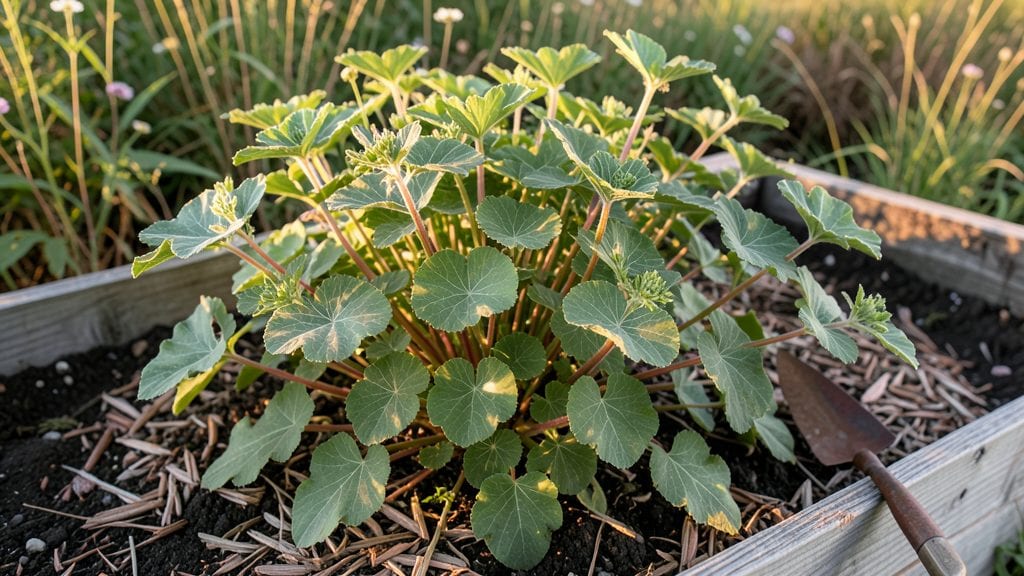
Pulling garden weed leaves by hand feels like a losing battle—until you learn the right way to do it without wrecking your soil or your back. ✨ I’ve spent years wrestling with stubborn weeds, and the difference between a healthy garden and a weed-infested mess comes down to timing, technique, and a few simple tools that make the job almost satisfying.
The problem isn’t just the weeds themselves—it’s how they steal nutrients, block sunlight, and crowd out your prized plants. But here’s the good news: the most effective methods don’t involve harsh chemicals or backbreaking labor.
A sturdy fork, a sharp hoe, or even a well-timed mulch layer can turn your weed war into a foolproof routine that keeps your garden thriving long-term.
You’ll end up with soil that stays loose and fertile, not compacted from repeated digging, and a garden where weeds pop up less often. The key is working with the soil’s natural balance, not against it.
Think of it like giving your plants the space—and the nutrients—they actually need to outcompete the invaders.
Works for any garden size, from raised beds to sprawling backyards, and adapts to both new and established plantings. Let’s get those weeds out the right way—without the guilt or the grime.
Root Causes Of Weed Leaf Spread
Weeds don’t just appear out of nowhere—they thrive because of specific conditions in your garden. Understanding these triggers helps you tackle the problem at its source. Below, we break down the biological, environmental, and human factors that fuel unwanted garden weed leaves, so you can address them effectively.
Weeds love competition-free zones. When your garden lacks dense, healthy plants, bare soil patches become prime real estate for weed seeds. Here’s why this happens:
- Thin Plant Spacing: If your flowers, veggies, or ground covers are too far apart, sunlight hits the soil directly, warming it and signaling dormant weed seeds to germinate.
Weeds like crabgrass and dandelions thrive in full sun. - Compacted or Poor Soil: Soil that’s low in organic matter (like compost or mulch) struggles to support strong plant roots.
Weak plants leave gaps, and weeds rush in to fill the void. - Nutrient Imbalance: Over-fertilized soil (especially with high nitrogen) can stimulate weed growth faster than your desired plants. Conversely, under-fertilized soil weakens your plants, making them less competitive.
Actionable Fix:
- Mulch heavily (2–4 inches of straw, wood chips, or leaves) to block sunlight and smother weeds.
- Plant densely—use companion planting (e.g., basil with tomatoes) to outcompete weeds naturally.
- Test your soil and amend with compost to boost microbial activity, which suppresses weeds.
Water is a double-edged sword—it hydrates your garden and washes weed seeds into the soil. Here’s how poor watering practices invite weeds:
- Overwatering: Excess moisture softens soil, making it easier for weed seeds to sprout.
Dandelions and chickweed, for example, germinate best in damp conditions. - Underwatering: While it may seem counterintuitive, shallow watering (like sprinklers that only wet the top inch of soil) encourages weeds to grow faster than deeper-rooted plants. - Irrigation Runoff: Water that runs off lawns or patios can deposit weed seeds into garden beds, especially in sloped areas.
Actionable Fix:
- Water deeply but infrequently (1–2 inches per week) to encourage deep root growth in your plants.
- Use drip irrigation or soaker hoses to target plant roots directly, reducing weed-friendly moisture.
- Avoid watering at night—wet leaves can promote fungal diseases, which weaken plants and leave space for weeds.
Every time you dig, till, or move soil, you’re accidentally aerating weed seeds and bringing them to the surface. Here’s how it happens:
- Tilling: While tilling breaks up compacted soil, it also buries weed seeds deeper, where they can lie dormant for years—only to sprout when conditions are right.
Some seeds (like nutsedge) even multiply when disturbed. - Poor Compost Use: If your compost contains weed seeds (from grass clippings or untreated yard waste), spreading it can introduce new weeds into your garden. - Animal & Wind Activity: Birds, squirrels, and even garden tools can carry weed seeds from one area to another.
Wind spreads lightweight seeds (like lamb’s quarters) effortlessly.
Actionable Fix:
- Skip tilling—use no-till gardening or hand-pull weeds before they seed.
- Solarize soil (cover with clear plastic for 4–6 weeks) to kill weed seeds before planting.
- Inspect compost—only use hot-composted material (140°F+ for 3+ days) to kill seeds.
Weeds are opportunistic survivors, and their persistence comes down to seed banks—a hidden reservoir of seeds in the soil. Here’s how it works:
- Dormant Seed Banks: Many weeds (like bindweed or Johnson grass) can lie dormant for years, waiting for the perfect conditions (sunlight, moisture, warmth) to germinate. - Rapid Reproduction: A single weed plant can produce thousands of seeds (e.g., one dandelion = 200+ seeds).
Even if you remove the plant, leftover seeds ensure regrowth. - Perennial Weeds: Plants like quackgrass and creeping charlie spread via underground rhizomes, making them nearly impossible to eradicate without targeted treatment.
Actionable Fix:
- **Remove weeds before they seed—pull or cut them when they’re young and haven’t flowered.
- Use vinegar or boiling water on small weeds to kill them without disturbing the soil.
- Plant cover crops (like clover or winter rye) to outcompete weeds and prevent seed germination.
Even well-meaning gardeners unknowingly create weed-friendly conditions. Common culprits:
- Ignoring Early Signs: A few weed sprouts might seem harmless, but if left unchecked, they compete for nutrients, weakening your garden.
- Using Herbicides Improperly: Over-reliance on broad-spectrum herbicides can kill beneficial insects and fungi that naturally suppress weeds.
- Not Rotating Crops: Planting the same crops year after year exhausts soil, making it easier for weeds to take over.
Actionable Fix:
- Hand-pull weeds weekly—it’s more effective than waiting for them to mature.
- Use targeted herbicides (like vinegar + dish soap) for spot treatment instead of blanket spraying.
- Rotate crops and diversify plantings to disrupt weed life cycles.
Weeds don’t grow randomly—they respond to seasonal changes in temperature, rain, and daylight. Key triggers:
- Spring Warmth: Rising temperatures signal weed seeds to germinate.
Many weeds (like purslane) sprout as soon as soil reaches 50–60°F. - Summer Drought: Some weeds (e.g., Russian thistle) thrive in dry conditions, while others (like chickweed) grow in moist, shaded spots. - Fall Moisture: Cool, damp autumn soil is ideal for weed seeds to establish roots before winter.
Actionable Fix:
- Mulch in early spring to delay weed germination.
- Monitor seasonal patterns—adjust watering and mulching based on local climate.
- Plant ground covers (like creeping thyme or clover) to block weed growth** in high-risk seasons.
Weeds don’t just happen—they’re the result of specific conditions you can control. By addressing soil health, watering habits, disturbance, seed banks, and human practices, you’ll create an environment where your plants thrive—and weeds don’t stand a chance. 🚫🌿
Humane Weed Leaf Removal Solutions
Weeds may seem like a persistent nuisance, but with the right approach, you can eliminate them without harming your soil or the environment. Below are practical, eco-friendly solutions tailored to common causes of garden weed leaves—whether they’re spreading due to poor soil health, overwatering, or simply aggressive growth.
Problem: Weeds thrive in compacted, nutrient-poor soil where your plants struggle to compete.
Solution:
- 🔥 Loosen the Soil – Use a garden fork or broadfork to aerate the top 6–8 inches of soil. This helps roots breathe and reduces weed seed germination.
- 🍳 Add Organic Matter – Mix in compost, aged manure, or leaf mold to improve soil structure and fertility. Aim for a 2–3 inch layer over the affected area.
- 👨🍳 Mulch Strategically – Apply 3–4 inches of organic mulch (straw, wood chips, or shredded leaves) to block sunlight and suppress weeds naturally.
💡 Pro Tip: If weeds keep returning, test your soil’s pH and nutrients. A simple DIY soil test kit (or lab test) can reveal imbalances—amend with lime (for acidic soil) or sulfur (for alkaline soil) as needed.
Problem: Overwatering creates the perfect damp environment for weed seeds to sprout and spread.
Solution:
- ⏰ Water Deeply but Less Often – Instead of daily light watering, soak the soil 1–2 times per week to encourage deep root growth in your plants (and discourage shallow-rooted weeds).
- 🌡️ Use Drip Irrigation – Direct water to plant roots only, avoiding broad saturation that fuels weed growth.
- 🎯 Fix Leaks & Improve Drainage – Standing water is a weed magnet. Ensure your garden has slight slopes and drainage channels to prevent soggy spots.
✨ Bonus: Water early in the morning to reduce evaporation and fungal risks.
Problem: Some weeds (like dandelions or crabgrass) reproduce rapidly via seeds or runners.
Solution:
- 🔪 Pull Early & Often – Remove weeds before they seed (when they’re young and easy to uproot). Use a weed puller or gloved hands for stubborn roots.
- 🥘 Solarize Problem Areas – Cover weeds with clear plastic sheeting for 4–6 weeks in hot sun. The trapped heat kills weeds and seeds without chemicals.
- 🌱 Plant Competitive Ground Covers – Smother weeds with clover, creeping thyme, or living mulches that outcompete invaders.
💡 Pro Tip: For deep-rooted weeds (like bindweed), use a hula hoe to cut them at the soil line repeatedly—this weakens them over time.
Once you’ve tackled existing weeds, keep them from returning with these habits:
- 🌱 Plant Dense Beds – Fill garden spaces tightly with perennials, shrubs, or annuals to leave little room for weeds.
- 🧹 Clean Up Debris – Remove fallen leaves and plant waste where weeds hide and seed.
- 🔄 Rotate Plantings – Avoid planting the same crops in one spot yearly, as weed seeds often target specific plant families.
- 🛡️ Use Barrier Fabrics – Lay landscape fabric under mulch in high-weed areas (like pathways) to block light and seeds.
By addressing the root cause (literally!) of your weed problems, you’ll create a garden where plants thrive and weeds don’t stand a chance—without harsh chemicals or tilling that disrupts your soil. Happy gardening! 🌿✨
Frequently asked questions
Why do garden weed leaves keep coming back even after I remove them?
Weeds return because their seeds lie dormant in the soil for years, waiting for ideal conditions. Many weeds produce thousands of seeds—even one missed plant can regrow. Focus on removing weeds before they flower and use mulch to block sunlight from triggering new growth.
Can I use vinegar to kill garden weed leaves without harming my plants?
Yes, but with caution! A mix of 1 gallon white vinegar + 1 cup dish soap + 1 cup salt works as a natural herbicide. Spray only on weeds (not desired plants) on a sunny day—vinegar burns leaves, but avoid spraying edible crops or perennials. Test a small area first.
What’s the best time of day to pull garden weed leaves?
Early morning or late afternoon is ideal. Soil is moist (making weeds easier to remove), but the sun isn’t intense enough to stress your plants. Avoid midday heat—it can shock your garden. Gloves and a sharp hoe make the job faster and less messy.
Will mulching really stop garden weed leaves from growing?
A 3–4 inch layer of organic mulch (straw, wood chips, or leaves) blocks sunlight, which weeds need to germinate. It also retains moisture and improves soil health over time. Just avoid piling mulch directly against plant stems to prevent rot.
How do I tell if a leaf is a weed or just a young plant?
Check the leaf shape and growth pattern. Weed leaves often have uneven edges, jagged lobes, or hairy textures (e.g., dandelions, lamb’s quarters). Compare with your planted species—weeds usually grow in random clusters, while your plants follow intentional spacing.