Pests and Diseases
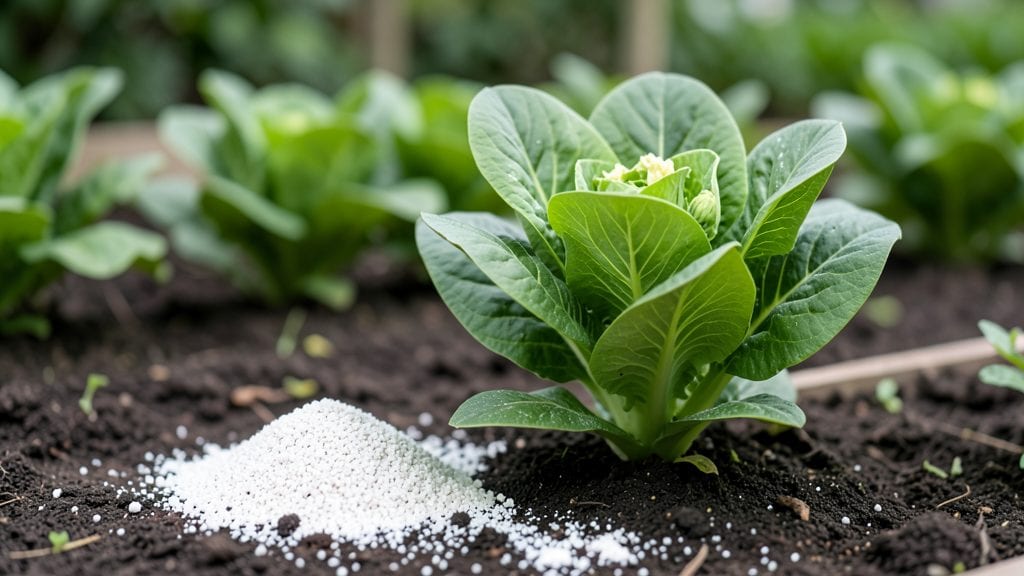
Using diatomaceous earth in garden beds provides organic pest control by dehydrating soft-bodied insects like slugs, ants, and aphids without harming plants or soil microbes when applied properly. Apply a thin layer around plants and soil, avoiding foliage to prevent plant damage.
This fine, powdery substance works by creating microscopic cuts in insects' exoskeletons, which causes them to lose moisture and perish within hours. 🌱 Unlike chemical pesticides, it breaks down harmlessly in the environment, making it ideal for organic gardening.
I've found it especially effective against crawling pests that don't fly, though it won't affect beneficial insects like bees. The key is reapplication after rain or watering, as its effectiveness diminishes when wet.
For best results, sprinkle a light layer—about 1 pound per 100 square feet—around plant bases and along garden edges. Early morning or evening applications prevent wind from dispersing it before it can work.
Always wear a dust mask when handling it, as inhaling the fine particles isn't safe for humans either.
💡 In This Article
- How Diatomaceous Earth Kills Pests Naturally
- Best Practices for Applying Diatomaceous Earth Safely
How diatomaceous earth kills pests naturally
Here's what's actually happening at the microscopic level: diatomaceous earth consists of fossilized remains of algae called diatoms, ground into a fine powder with razor-sharp edges measuring just 3-10 microns.
These particles are too small to see but large enough to create microscopic cuts when they come into contact with soft-bodied insects like slugs, aphids, and ants.
The insects' exoskeletons are porous, allowing the silica particles to penetrate and disrupt their protective layer, causing rapid moisture loss through a process called osmotic dehydration. 🔥
What makes this so effective is the sheer volume of these microscopic cuts. A single insect can encounter thousands of particles when crawling through treated soil, creating a network of wounds that prevent their waxy outer layer from retaining moisture.
Within 24-48 hours, the insect typically dies from dehydration—no poison needed. This mechanism is particularly brutal for pests with soft bodies, while hard-shelled creatures like beetles or ladybugs often remain unaffected because their exoskeletons resist penetration.
The reason plants stay unharmed lies in their waxy cuticles, which are chemically different from insect exoskeletons. Plant cuticles contain cutin and waxes that form a smooth, non-porous surface impervious to the silica particles.
Unlike insects, plants don't absorb moisture through their outer layer, so the diatomaceous earth simply sits on the surface without causing damage. This selective action is why it's considered one of the safest organic pest controls available.
When comparing diatomaceous earth to synthetic pesticides, the differences become clear: chemical pesticides often target broad spectra of organisms, including beneficial insects and soil microbes, while diatomaceous earth remains highly specific to soft-bodied pests.
Unlike neonicotinoids or pyrethroids, which can leave toxic residues in soil for months, diatomaceous earth breaks down harmlessly when exposed to moisture, typically within 3-5 days of application. This makes it particularly valuable in organic gardening systems where long-term soil health is a priority.
One fascinating aspect is how temperature affects its effectiveness. In cooler conditions (50°F and below), pests move more slowly, giving the silica particles more time to create those critical microscopic cuts.
However, in hot, dry climates, you'll need to reapply more frequently because rain or overhead watering can wash it away.
The powder's effectiveness also diminishes when it becomes clumped or wet, which is why gardeners often apply it as a dry barrier around plant bases rather than mixing it into soil.
What most people don't realize is that diatomaceous earth works best as a preventative measure rather than a cure. Once pests have already established colonies in dense mulch or under rocks, you'll need to combine it with other organic controls like beneficial nematodes or companion planting.
The key is creating a physical barrier that pests must cross to reach your plants—a strategy that's both elegant in its simplicity and highly effective when applied correctly. 💫