Pests
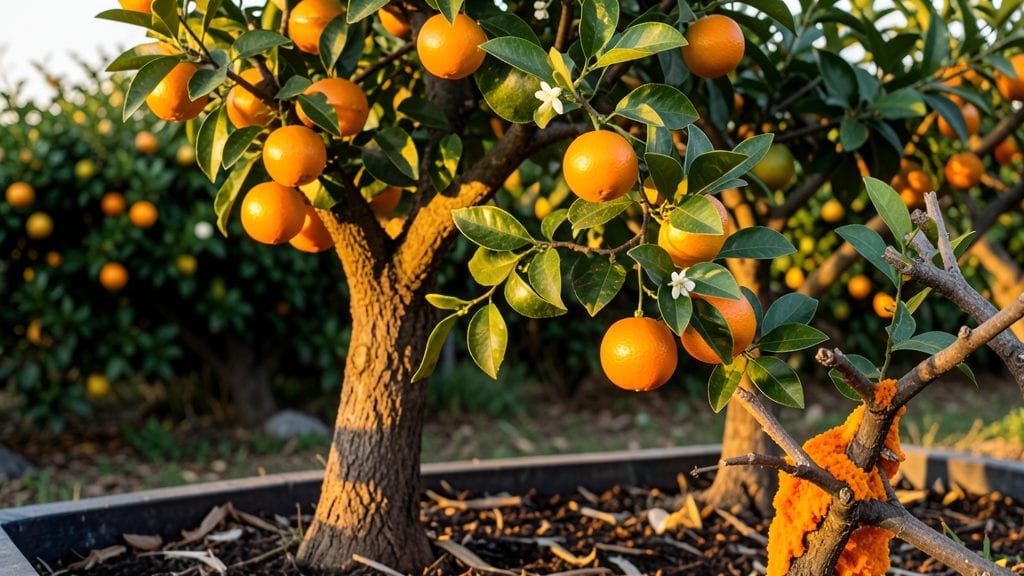
That bright orange fungus creeping through your garden isn’t just unsightly—it’s a silent thief of plant health. 🌿 I’ve battled it myself, and what I learned changed how I protect my garden without harsh chemicals.
The key isn’t just removing what you see but stopping the spread before it takes over.
Most gardeners assume orange fungus is just mold or mildew, but it’s often wood-rotting fungi like Armillaria or Ganoderma—sneaky invaders that thrive in damp, shaded soil. These aren’t your average leaf spotters; they attack roots and bark, weakening plants over time.
The good news? You can outsmart them with targeted traps and cultural fixes.
By setting up simple, humane barriers—like wood chip traps or pruning infected stems at the right time—you’ll starve the fungus of its food source. Within weeks, you’ll see new growth pushing through, free from the orange menace.
The best part? These methods work for roses, fruit trees, and even lawn edges.
No need for toxic sprays here—just smart garden maintenance. Let’s get your plants back to thriving without the orange takeover.
Root Causes Of Fungal Outbreaks
When your garden or indoor plants develop an orange fungus garden—those fuzzy, bright patches that spread like a stubborn stain—it’s rarely a random act of nature. Instead, it’s usually a mix of environmental factors, poor hygiene, or even subtle mistakes in plant care.
Understanding these causes is the first step to stopping the spread and restoring your green spaces. Let’s break down the most common culprits, why they happen, and how to fix them.
Fungi thrive in damp, oxygen-deprived conditions, and overwatering is their favorite invitation. When soil stays soggy for too long, it creates the perfect breeding ground for fungal spores like Penicillium (which often appears orange) or Fusarium.
Poor drainage—whether from compacted soil, clogged pots, or a lack of mulch—exacerbates the problem by trapping excess moisture at the roots.
- Why it happens:
- Plants in containers without drainage holes sit in standing water.
- Heavy clay soil or mulch that suffocates roots prevents airflow.
- Watering schedules ignore seasonal changes (e.g., rain + overhead watering = double moisture).
- Actionable fix:
- Use pots with drainage holes and elevate them on saucers.
- Amend heavy soil with perlite or sand to improve aeration.
- Water at the base (not overhead) and only when the top 1–2 inches of soil are dry.
Fungi love humidity, but they despise circulation. Greenhouses, terrariums, and densely packed plant collections often suffer from stagnant air, which lets fungal spores linger and multiply. Even outdoor gardens can become humid traps if shaded by tall plants or surrounded by dew-prone foliage.
- Why it happens:
- Plants are crowded, blocking airflow between leaves.
- Humidifiers or indoor plants near bathrooms/kitchens increase ambient moisture.
- Plastic covers or glass containers trap humidity without ventilation.
- Actionable fix:
- Space plants 2–3 inches apart for airflow (or use a fan on low).
- Open vents or use a dehumidifier if indoor humidity exceeds 60%.
- Prune overgrown leaves to reduce shade and improve sunlight penetration.
Fungi often strike when plants are stressed, whether from temperature swings, nutrient deficiencies, or transplant shock.
Sudden drops in temperature (like cold nights followed by warm days) weaken plant defenses, making them vulnerable to fungal invaders. Orange-colored molds like Aspergillus may also appear when compost or mulch heats up unevenly.
- Why it happens:
- Plants are moved between hot/cold environments (e.g., indoor to outdoor without acclimation).
- Fertilizer burns or poor soil quality starve roots, reducing resistance.
- Compost piles or mulch decompose too quickly, creating heat pockets.
- Actionable fix:
- Hardening off plants before outdoor transitions (gradually expose them to conditions).
- Use balanced, slow-release fertilizers to avoid nutrient spikes.
- Turn compost regularly and avoid piling mulch thicker than 2–3 inches.
Fungal spores are everywhere, and they hitch rides on dirty tools, reused potting mix, or even old mulch. If you’ve used the same trowel, pruners, or gloves on infected plants, you’ve likely spread spores to healthy ones.
Similarly, sterilized soil can reintroduce fungi if contaminated by compost, manure, or infested plants.
- Why it happens:
- Tools are wiped with water (not disinfected) between uses.
- Potting mix is reused without pasteurization or fresh amendments.
- Compost from unknown sources contains fungal spores.
- Actionable fix:
- Sanitize tools with 70% isopropyl alcohol or a 10% bleach solution between plants.
- Use sterile potting mix or bake soil at 180°F (82°C) for 30 minutes to kill spores.
- Avoid compost from animal waste (risk of Aspergillus or Histoplasma).
Insects like aphids, thrips, or spider mites don’t just sap plant sap—they create entry points for fungi. Their honeydew (a sticky waste product) feeds fungal growth, while their feeding wounds leave plants susceptible to infection. Orange fungal gardens often appear where pests have already done damage.
- Why it happens:
- Pests go unnoticed until fungal growth appears.
- Natural predators (like ladybugs) are absent, allowing infestations.
- Systemic pesticides kill beneficial microbes that suppress fungi.
- Actionable fix:
- Inspect leaves daily for pests (especially undersides).
- Use neem oil or insecticidal soap to treat infestations before fungi appear.
- Encourage predatory insects (e.g., lacewings, nematodes) to control pests naturally.
How to Stop the Spread Naturally
Now that you understand why that pesky orange fungus garden (or Armillaria root rot) takes over your yard, it’s time to tackle it—without harsh chemicals that harm pets, kids, or the environment.
These solutions focus on humane, eco-friendly methods to weaken the fungus, disrupt its network, and prevent future outbreaks. Let’s break it down by cause and fix, with actionable steps for each scenario.
Cause: Underground mycelial mats (the "fungus garden") spread via root-like strands, stealing nutrients from plants. Fix: Cut off its food and oxygen supply.
- 🔪 Prune Infected Plants (Safely!) - Remove all visibly sick plants (yellowing leaves, mushrooms at the base) and a 6-inch ring of surrounding soil. Why? The fungus lives in the roots and soil, not just the plant. - Pro Tip: 💡 Bag and compost the debris in a sealed bin—do not toss it into garden beds or mulch piles.
The fungus can survive for years in compost!
- 🏗️ Solarize the Soil (Free & Effective) - Clear the area of debris, then water deeply to saturate the soil. - Cover the spot with clear plastic sheeting (like a greenhouse effect) for 4–6 weeks in hot weather (above 90°F).
The sun’s heat kills fungal strands. - ⚠️ Warning: Only do this in dry climates—wet soil traps moisture, spreading rot.
- 🌡️ Boost Soil Competition
- Plant deep-rooted, fungus-resistant species like garlic, thyme, or marigolds near affected areas. These release natural compounds that inhibit Armillaria.
- Avoid planting susceptible trees (e.g., fruit trees, willows) nearby for 2+ years.
Cause: Above-ground mushrooms are the fungus’s "reproductive party"—each one means more spores are spreading. Fix: Interrupt the life cycle with physical barriers and traps.
- **🧹 Remove Mushrooms And Their Stems
- Pull mushrooms
- 🔥 Burn or trash** them immediately (do not compost). Even tiny pieces can regrow.
- 🛡️ Create a "Fungus Moat"
- Dig a 6-inch-deep trench around infected areas and fill it with wood ash or copper sulfate (both toxic to fungi). Refresh every 6 months.
- Alternative: Line the trench with cardboard soaked in vinegar (acetic acid kills spores). Replace weekly for 3 months.
- 🐝 Encourage Fungal Predators
- Nematodes (Phasmarhabditis hermaphrodita) eat fungal strands. Mix them into soil in fall or spring when it’s damp.
- Ladybugs and predatory mites also help—plant dill or yarrow to attract them naturally.
Cause: Armillaria invades via root grafts—healthy plants share nutrients with infected ones, spreading the disease. Fix: Isolate and weaken the fungal web.
- 🌿 Quarantine the Area
- Do not mulch around infected plants. Instead, use gravel or crushed stone (fungus can’t grow there).
- Avoid tilling—it spreads spores deeper into the soil.
- 💧 Adjust Watering Habits
- Armillaria loves moisture. Water deeply but infrequently (e.g., drip irrigation at the base) to discourage soggy soil.
- 🎯 Target: Keep soil 60% moisture—not bone-dry, not swampy.
- 🌿 Plant "Sentinel Species"
- Willows, poplars, or birches are Armillaria magnets—plant them far away (10+ feet) to act as a diversionary trap.
- Remove and burn these "bait plants" if they show signs of infection.
Once you’ve kicked the fungus out, lock the door with these habits:
- 🌡️ Test Soil pH: Armillaria thrives in acidic soil (pH <6). Add lime to raise pH to 6.5–7.0. - 🍄 Inspect New Plants: Before buying, check roots for black, stringy strands (fungal cords).
Soak roots in 1% hydrogen peroxide (3% food-grade) for 10 minutes as a preventative dip. - 🌿 Rotate Plantings: Avoid planting the same species in the same spot for 3+ years. - 🔄 Refresh Mulch: Use cedar or pine chips (natural fungicides) instead of wood chips, which can harbor spores. - 🕵️ Monitor Year-Round: Check for new mushrooms or wilting in spring and fall—early action is key!
Final Note: Patience is key—Armillaria can linger for years, but consistent, low-tech methods (like solarization + nematodes) will eventually starve it out. Combine these steps, and your garden will be fungus-free in 1–3 seasons! 🌱✨
Frequently asked questions
What does an orange fungus garden look like in my garden?
Orange fungal growth typically appears as fuzzy, bright orange patches on soil, mulch, or plant stems—often resembling a "garden" of tiny mushrooms or mold. Look for clusters of small, cup-shaped fungi near tree bases, wood chips, or damp areas. These are usually Armillaria or Ganoderma, which spread underground via root-like strands.
Can I safely compost orange fungal debris?
No! Composting infected plant material or fungal debris spreads spores, worsening the problem. Always bag and trash (or burn) orange fungal growth—even small pieces can regrow. For soil, solarize the area with clear plastic for 4–6 weeks to kill hidden fungal strands.
Will vinegar or hydrogen peroxide kill orange fungus?
Yes, but use them strategically. A 1:1 vinegar-water spray (applied weekly) disrupts fungal cell walls, while 1% hydrogen peroxide (soak roots for 10 minutes) prevents spread. For stubborn cases, combine with nematodes or copper-based barriers for better results.
How long does it take to eliminate orange fungus naturally?
Patience is key—most natural methods take 1–3 seasons to fully eradicate underground fungal networks. Start with solarization, nematodes, and pruning infected plants. Monitor for new growth in spring and fall, and repeat treatments as needed.
Are there plants that repel orange fungus?
Plant garlic, thyme, marigolds, or cedar near affected areas—they release natural compounds that inhibit fungal growth. Avoid susceptible plants like fruit trees or willows nearby, as they act as fungal magnets. Use these as "sentinel plants" to trap and divert the fungus.