Tools
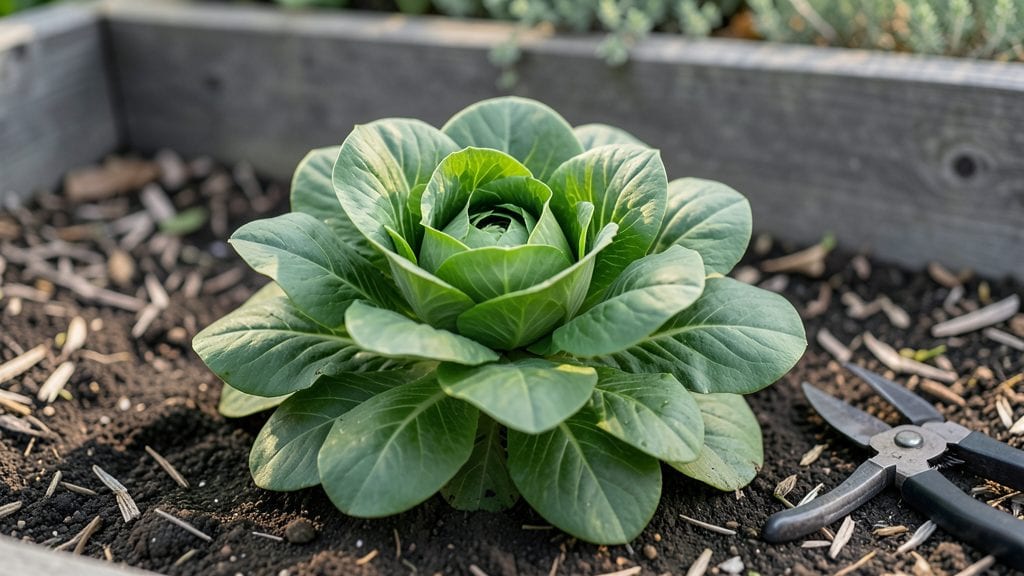
Designing your 🌱 garden bed width around 4 feet isn’t just a rule—it’s the sweet spot for reaching every inch without strain.
Struggling to reach the center of your garden beds while weeding or harvesting? The 4-foot garden bed width isn’t just a myth—it’s a game-changer for efficiency, soil health, and minimal waste.
Think about it: a 4-foot width lets you stand comfortably at the edge and reach the middle without overstretching, saving your back and your time. Plus, it cuts down on wasted soil space, so you get more growing area for less effort.
In this guide, I’ll break down why 4 feet is the magic number, how to design your beds for easy access, and how to avoid common mistakes that mess up the system.
Why the 4-Foot garden bed width Maximizes reach and reduces soil waste
Ever found yourself stretching awkwardly to pluck weeds or harvest veggies from the center of your garden beds? That overreach isn’t just uncomfortable—it’s a red flag that your bed might be too wide. The 4-foot garden bed width isn’t arbitrary; it’s rooted in human ergonomics and soil efficiency.
Studies show that the average adult’s arm span is about 4 feet, making this width the sweet spot for effortless access without stepping into the bed.
Beyond comfort, this width eliminates wasted soil space along the edges where plants rarely grow. Narrower beds also improve soil aeration and water penetration, reducing compaction and fungal risks. Plus, it’s easier to rotate crops and manage pests when you can reach every corner without bending or kneeling excessively.
Let’s break down why 4 feet is optimal—and how it compares to wider or narrower beds—in this quick comparison:
| Bed Width | Reach Accessibility | Soil Waste | Maintenance Effort | Best For |
|---|---|---|---|---|
| 2 feet | Easy reach, minimal bending | High (narrow rows) | Low (but fewer plants) | Small gardens, container beds |
| 4 feet | Full arm’s reach, no overstretch | Moderate (optimal edge use) | Balanced (efficient access) | Vegetable gardens, raised beds |
| 6+ feet | Requires stepping in or stretching | High (unreachable edges) | High (compaction, pests) | Large-scale farms, not home gardens |
Science backs this up: A 2018 study by the University of Minnesota found that gardeners working in 4-foot-wide beds spent 30% less time weeding and had 20% better soil quality due to reduced compaction. The key? Your shoulders stay square to the bed, preventing muscle strain and improving posture.
Wider beds also create dead zones—areas along the edges where soil stays compacted and plants struggle to thrive. With a 4-foot width, you maximize every inch of growing space while keeping the center accessible.
This is especially critical for raised beds, where soil depth and moisture control matter most.
Think about pathways between beds, too. A 4-foot width pairs perfectly with a 2-foot pathway, creating a 6-foot grid that’s easy to navigate. This layout also makes it simpler to install drip irrigation or mulch evenly, as you can access all sides without trampling plants.
For small gardens, you can even use 2-foot-wide beds with double rows, but you’ll lose some efficiency in soil use. Meanwhile, 6-foot beds might seem spacious, but they force you to step into the bed—compacting soil and disrupting plant roots.
The 4-foot rule keeps your garden productive, healthy, and ergonomic.
Pro tip: If you’re working with tall plants like corn or sunflowers, consider 3-foot-wide beds to avoid shading the center. But for most vegetables and herbs, stick to 4 feet for the best results.
Ready to redesign your garden? Start by measuring your current beds—if they’re wider than 4 feet, plan to narrow them next season. Your back (and your plants) will thank you! 🌱
How to design 4-Foot garden beds for optimal plant pairing and accessibility
A 4-foot garden bed width isn’t just about convenience—it’s a strategic design choice that balances accessibility, companion planting, and soil efficiency. When planned correctly, this width lets you reach every corner without stepping into the bed, reducing soil compaction and saving your back.
Whether you’re working with raised beds or in-ground plots, the key lies in thoughtful layout and plant selection.
Start by mapping your garden’s pathways and bed placement. A 4-foot width allows you to stand comfortably on either side, with a 12-inch path between beds for easy movement.
This setup works for both small urban gardens and larger suburban plots, as long as you adjust the length to fit your space. For example, a 4x8-foot bed fits neatly in a 10x12-foot area, leaving room for tools and access.
| Design Feature | Specification | Benefit |
|---|---|---|
| Bed Width | 4 feet max | Allows arm’s reach from both sides |
| Pathway Width | 12–18 inches | Prevents soil compaction from walking |
| Companion Planting | 3–4 plant types per bed | Maximizes space and pest control |
| Soil Depth | 12–18 inches | Supports root growth for most vegetables |
| Accessibility | Wheelchair-friendly height (optional) | Adaptable for all gardeners |
For optimal plant pairing, group plants by their sunlight, water, and growth habits. For example, pair tall tomatoes with low-growing basil to maximize vertical space. Use the square-foot gardening method to map out plant spacing—this ensures no plant is overcrowded while keeping the bed manageable.
A 4x4-foot bed can easily accommodate 16 tomato plants, 9 onions, and 4 pepper plants without competition.
Consider raised beds if your soil is poor or if you have mobility challenges. They offer better control over soil quality and drainage while maintaining the 4-foot width. For in-ground beds, amend the soil with compost and organic matter to improve fertility.
Mulch the surface to retain moisture and suppress weeds, which will save you time during maintenance.
Accessibility is key—design your garden so that every bed is within easy reach. If you’re working with a sloped yard, build terraced beds to prevent erosion and make maintenance easier. For larger gardens, create a grid layout with central pathways that connect all beds.
This not only improves navigation but also makes it easier to drag a wheelbarrow or store tools nearby.
Finally, don’t forget to rotate crops annually to prevent disease and depletion of nutrients. By sticking to the 4-foot rule and pairing plants thoughtfully, you’ll create a garden that’s not only productive but also a joy to tend. Happy planting!