Plants
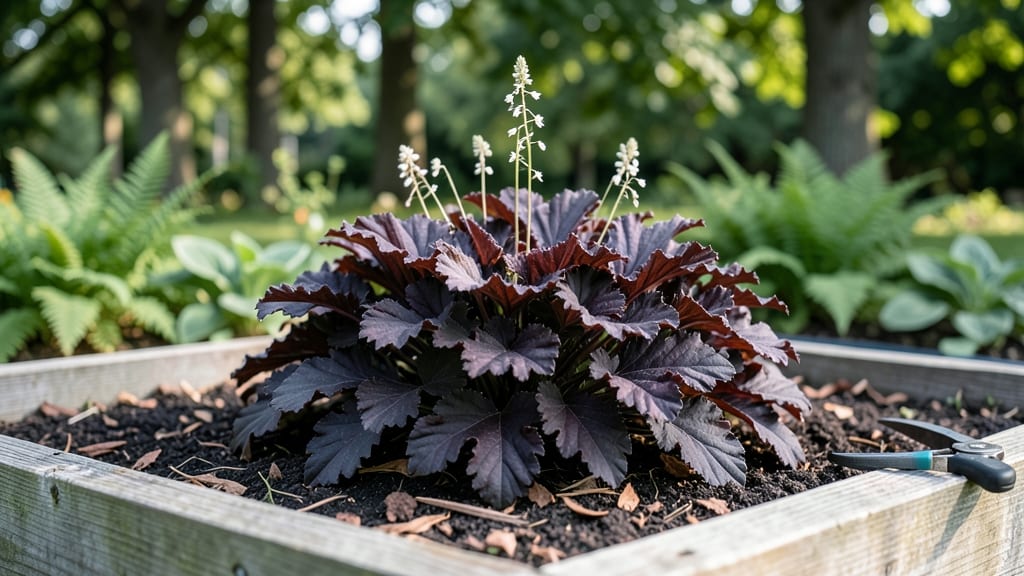
That garden weed with purple leaves creeping through your garden isn’t just pretty—it’s a stubborn invader that chokes out your plants if left unchecked. 🌿 I’ve spent years wrestling with these tenacious beauties, and I’ll show you how to spot them early. pull them clean, and keep them from staging a comeback.
The key? Acting before they seed.
Most gardeners mistake purple deadnettle or creeping charlie for harmless ground cover, but their sprawling stems smother seedlings and steal nutrients. My garden journal notes that a single patch left unchecked can spread 10 feet in one season, so quick action is everything.
The good news? These weeds hate consistent removal—no chemicals needed.
By the end of this, you’ll recognize their jagged leaves and square stems instantly, yank them out by the roots without gloves, and replace them with mulch that suffocates regrowth. Your garden beds will stay weed-free and vibrant, with no more purple surprises stealing the show.
Works for backyard gardens, raised beds, and even container edges—wherever these sneaky invaders show up. Let’s reclaim your space the natural way.
Root Causes Behind Purple Foliage
Those striking purple-leaved weeds popping up in your garden aren’t just a pretty nuisance—they’re often a sign of underlying environmental or biological factors at play.
Understanding these causes helps you tackle the issue at its source, whether you’re dealing with a Lamium purpureum (purple deadnettle), Portulaca grandiflora (moss rose), or another shade-loving invader. Let’s break down why these weeds develop their vibrant hues and thrive where others don’t.
Purple leaves in weeds often signal a phosphorus deficiency or excess nitrogen, two key nutrients that directly impact chlorophyll production and pigmentation.
- Phosphorus Shortage: Phosphorus is crucial for energy transfer in plants. When soil lacks phosphorus (common in sandy or acidic soils), weeds like Tradescantia (spiderwort) or Stachys officinalis (hedge nettle) may produce anthocyanins—pigments that turn leaves purple or red as a stress response. Test your soil with a DIY kit or lab analysis to confirm.
- Nitrogen Overload: Too much nitrogen (from synthetic fertilizers or composted manure) can also trigger purple tinges, especially in weeds like Chenopodium album (lamb’s quarters). This happens because excess nitrogen disrupts the balance of other nutrients, forcing the plant to prioritize growth over chlorophyll stability.
- Actionable Fix:
- Amend soil with bone meal (for phosphorus) or composted leaf mold (for slow-release nutrients).
- Avoid high-nitrogen fertilizers like blood meal or urea in weed-prone areas.
- Mulch with wood chips or straw to improve soil structure and microbial activity naturally.
Weeds with purple leaves often love shade or fluctuating temperatures, which can alter their pigmentation as a survival tactic. Think of it like sunscreen for plants—anthocyanins act as a protective layer against UV damage or cold stress.
- Low Light Conditions: Shade-tolerant weeds like Persicaria maculosa (ladies’ thumb) or Viola sororia (common violet) develop purple hues when they don’t get enough sunlight. This is their way of maximizing light absorption in dim environments.
- Temperature Swings: Cool nights or early spring frosts can trigger anthocyanin production in weeds like Portulaca oleracea (purslane). The pigment helps regulate cell temperature and protect against oxidative damage.
- Actionable Fix:
- Thin out overgrown plants or dense shrubs to improve airflow and sunlight penetration.
- Mulch with straw or bark to insulate soil and stabilize temperatures.
- If weeds persist in shady spots, consider ground covers (like clover or creeping thyme) to outcompete them.
Water stress—whether from drought or soggy soil—can turn weeds purple as they scramble to adapt. These weeds are often opportunistic survivors, thriving in conditions that would kill other plants.
- Drought Conditions: Weeds like Plantago major (broadleaf plantain) or Taraxacum officinale (dandelion) may develop purple leaves when their roots can’t access enough moisture. Anthocyanins help reduce water loss by acting as a sunscreen and antioxidant.
- Overwatering or Poor Drainage: Waterlogged soil (common in clay-heavy gardens) can suffocate roots, leading to oxygen deprivation. Weeds like Rumex acetosella (sheep sorrel) may turn purple as a response to hypoxia stress, where roots struggle to absorb nutrients.
- Actionable Fix:
- Improve drainage by amending soil with perlite, sand, or compost.
- Water deeply but infrequently (1–2 inches per week) to encourage deep root growth in desired plants.
- Use soaker hoses instead of sprinklers to avoid wetting foliage, which can promote fungal issues.
Weeds don’t grow in isolation—they’re highly responsive to chemical signals from other plants, including your garden’s flora. Purple leaves can be a sign of allelopathy or aggressive root competition.
- Alleochemical Warfare: Some weeds (like Sorghum halepense, Johnsongrass) release toxins to suppress neighboring plants. In response, other weeds may develop purple pigmentation as a defense mechanism to resist these chemicals.
- Root Competition: If your desired plants are struggling (due to poor soil or disease), weeds like Convolvulus arvensis (field bindweed) will steal nutrients and space, often turning purple as they outcompete weaker species.
- Actionable Fix:
- Plant cover crops (like winter rye or clover) to block weeds and improve soil health.
- Use mulch barriers (cardboard + wood chips) to starve weed roots of sunlight.
- Interplant with competitive ground covers (e.g., creeping juniper or ajuga) to crowd out invaders.
💡 Pro Tip: If purple-leaved weeds keep appearing in the same spots year after year, it’s a clue that the soil or microclimate in those areas is consistently favoring their growth. Rotate crops or test soil pH (aim for 6.0–7.0 for most gardens) to break the cycle.
Effective Ways to Control Purple-Leaved Garden Weeds
Now that you’ve identified those striking purple-leaved invaders in your garden, it’s time to tackle them before they spread. The good news? With the right approach, you can reclaim your space without resorting to harsh chemicals.
Below, we’ll break down practical, cause-specific solutions—plus prevention tips to keep your garden weed-free long-term.
If your garden is packed with dense foliage, purple-leaved weeds thrive by stealing sunlight and nutrients. Fix it by: - 🔥 Prune aggressively: Trim back overgrown plants (especially perennials) to improve airflow and reduce shade.
Aim for 10–15% less density in problem areas. - 👨🍳 Mulch strategically: Apply 2–3 inches of organic mulch (straw, wood chips, or shredded leaves) around desired plants.
This blocks sunlight from weed seeds while retaining moisture for your flowers or veggies. - ⏰ Schedule regular maintenance: Set a reminder to weed weekly during peak growing seasons (spring and fall). Purple-leaved weeds spread quickly—early action saves effort later!
💡 Pro Tip: Use landscape fabric under mulch in high-weed zones, but leave edges exposed to prevent smothering your plants.
Weeds with vibrant purple leaves often signal overwatering or poor drainage. Fix this by: - 🌡️ Check soil moisture: Stick your finger 1–2 inches deep—if it’s damp, hold off on watering.
Aim for 1 inch of water per week (including rainfall). - 🔪 Improve drainage: Amend heavy clay soil with compost or perlite to help water drain faster.
For containers, ensure pots have drainage holes. - 🎯 Water deeply but less often: Instead of daily light sprinkles, water early in the morning for 10–15 minutes to encourage deep root growth in your plants (not weeds).
✨ Prevention Hack: Install a soaker hose near plant bases to deliver water directly to roots, leaving weeds high and dry.
Purple-leaved weeds often pop up in nitrogen-rich or imbalanced soil. Rebalance with: - 🥗 Test your soil: Use a DIY soil test kit (or send a sample to a local extension office) to check pH and nutrient levels.
Most weeds prefer slightly acidic to neutral soil (pH 6.0–7.0). - 💪 Add organic matter: Mix in compost or aged manure to improve soil structure and outcompete weeds.
Aim for 1–2 inches of compost per season. - 🍎 Use slow-release fertilizers: Avoid quick-release nitrogen (like fresh grass clippings), which fuels weeds. Opt for balanced, organic fertilizers (e.g., 5-5-5 or compost tea).
🔥 Hot Tip: Coffee grounds (used, not fresh) can suppress weeds while adding nitrogen—just sprinkle lightly and till into the top inch of soil.
For established purple-leaved weeds, physical removal is often the fastest fix:
- 🔪 Pull by hand (best for small patches):
- Wait until soil is moist (after rain or watering) for easier extraction.
- Grasp the base of the weed and pull straight up—twisting can break roots, leaving fragments to regrow.
- Dispose of weeds immediately in the trash (not compost, unless you’re sure they’re seed-free).
- 🍳 Use tools for stubborn weeds:
- A hula hoe or weeding knife works for larger areas or between plants.
- For deep-rooted weeds (like purple deadnettle), a dandelion digger or screwdriver can pry them out without damaging nearby plants.
🎯 Target Weakness: Purple-leaved weeds often have shallow roots—focus on removing the entire crown (where leaves meet the stem) to prevent regrowth.
If weeds persist, try non-toxic, targeted solutions: | Method | How to Use | Best For | |--------------------------|---------------------------------------------------------------------------------|---------------------------------------| | 🌿 Vinegar spray | Mix 1 gallon white vinegar + 1 cup dish soap + 1 tbsp salt.
Spray directly on leaves (avoid desired plants). Repeat in 3–5 days. | Small, isolated weeds in driveways or cracks. | | 🔥 Boiling water | Pour slowly on weeds growing in cracks or between pavers.
Effective for annual weeds. | Sidewalks, patios, or non-plant areas. | | 🥗 Corn gluten meal | Sprinkle 1 lb per 100 sq ft in early spring. Prevents seed germination. | Prevention in garden beds. |
⚠️ Warning: Vinegar and boiling water kill all plants they touch—use a shield (like cardboard) to protect nearby flowers or veggies.
The best defense? A weed-free garden starts with smart habits: - 🌱 Plant densely: Use ground covers (like clover or creeping thyme) or close-spaced perennials to block sunlight from weed seeds. - 🧹 Clean up debris: Remove fallen leaves and spent plants where weed seeds hide.
A quick 10-minute tidy after mowing or harvesting makes a big difference. - 🛡️ Use landscape fabric: Install perforated fabric under mulch in high-weed zones (e.g., vegetable gardens or borders). - 🌱 Choose competitive plants: Some plants naturally suppress weeds, like: - Lavender (drought-tolerant, aromatic) - Mint (spreading but weed-smothering) - Clover (fixes nitrogen, crowds out weeds)
💡 Long-Term Strategy: Sheet mulching (lasagna gardening) smothers weeds permanently—layer cardboard + compost + mulch in problem areas.
| Season | Action Plan |
|---|---|
| Spring | Pull weeds before they seed (March–May). Apply pre-emergent corn gluten. |
| Summer | Focus on manual removal (weeds grow fast in heat). Mulch heavily. |
| Fall | Weeds store energy for next year—remove all foliage before winter. |
| Winter | Inspect dormant weeds and pull any regrowth. Plan soil amendments for spring. |
Final Thought: Purple-leaved weeds might look pretty, but they’re opportunistic survivors. By combining smart watering, soil care, and regular maintenance, you’ll starve them out—naturally. Start with one method that fits your garden’s biggest issue, then layer in prevention for long-term success. 🌿✨
Frequently asked questions
Why do some weeds develop purple leaves instead of green?
Purple leaves in weeds are often a survival tactic! These plants produce anthocyanins—pigments that act like sunscreen, protecting against UV damage, cold stress, or nutrient deficiencies. Common culprits like purple deadnettle or creeping charlie turn purple when they lack phosphorus or face fluctuating temperatures.
Are purple-leaved weeds more aggressive than green ones?
Not necessarily by nature, but their vibrant color often signals they're thriving in conditions that would stress other plants. Weeds like purple deadnettle spread quickly because they love shade and rich soil—exactly where many gardeners struggle. Their purple hue just makes them more noticeable than their green counterparts.
Can I safely compost weeds with purple leaves?
Only if you're certain they haven't gone to seed! Purple-leaved weeds like creeping charlie can regrow from even small root fragments. For safety, dispose of them in the trash or use them as mulch in areas where you won't plant anything for at least 6 months. If composting, bury them deep where heat will kill seeds.
What's the fastest way to prevent purple-leaved weeds from returning?
Layer cardboard + 3 inches of mulch (wood chips or straw) in problem areas. This blocks sunlight while improving soil over time. For long-term control, plant competitive ground covers like clover or creeping thyme that crowd out weeds naturally. Combine with weekly weeding during growing seasons.
Are there any purple-leaved weeds that are actually beneficial?
Most purple-leaved "weeds" are invaders, but some shade-tolerant varieties like Viola sororia (common violet) can attract pollinators. However, even these can become aggressive. The key is to monitor their spread—if they start choking your plants, it's time to remove them. Always prioritize your intended garden plants over "weed" benefits.