Pests and Diseases
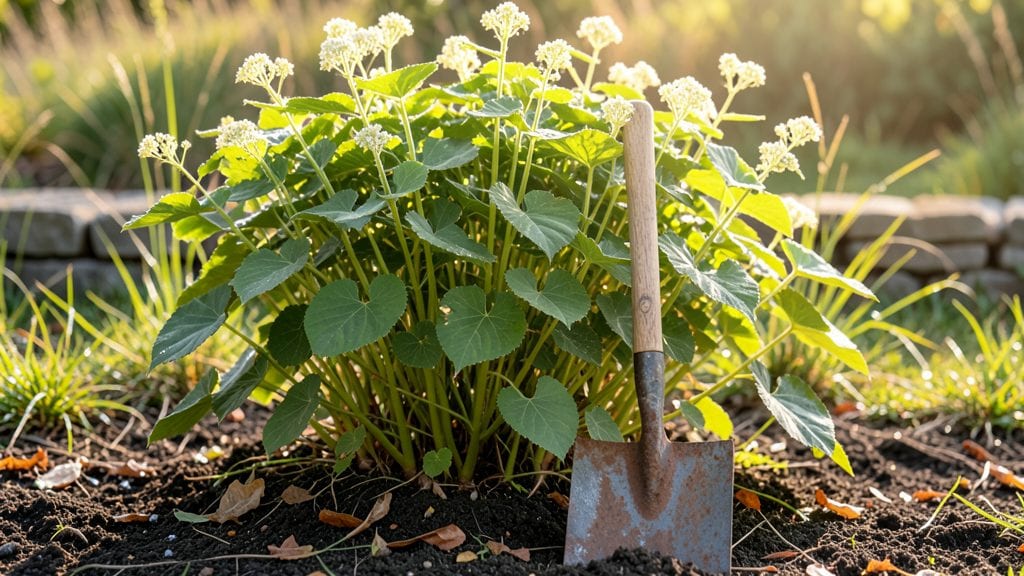
Invasive roots in garden can turn your peaceful backyard into a battleground between plants and structures. 🌱 I’ve seen willow trees crack foundations and bamboo roots split concrete—yet there’s a better way than brute-force digging. The key is working with nature’s growth patterns, not against them.
Most invasive roots spread aggressively because they’re searching for water and nutrients. But with the right barriers, pruning timing, and plant choices, you can redirect their energy without harming the plant or your garden.
My first attempt with a root barrier saved a patio from cracking, and I’ve refined the method ever since.
You’ll learn how to spot early warning signs—like cracked walkways or wilting plants—and use tools like plastic root barriers or even deep soil amendments to steer growth. The goal isn’t to kill the plant, but to give it a boundary it can respect.
Works for backyard gardens, raised beds, and even container setups near invasive neighbors. Let’s keep your garden thriving and intact—without turning it into a war zone.
Why it happens
If you’ve ever dug into your garden only to find aggressive roots sprawling beneath the surface, you’re not alone. Invasive roots in garden spaces aren’t just a nuisance—they can damage foundations, clog drains, and even strangle nearby plants.
But why do some plants develop such aggressive root systems? The answer lies in a mix of biology, environmental triggers, and even human gardening habits. Let’s break down the key reasons behind this underground takeover.
🌱 Natural Aggression: Some Plants Are Wired That Way
Not all roots are created equal. Certain plant species are genetically programmed to spread aggressively to secure resources. These include:
- Tree of Heaven (Ailanthus altissima): Known as the "Vining Tree of Doom," its roots release chemicals called allelochemicals that suppress competing plants—almost like a biological herbicide.
- Silver Maple (Acer saccharinum): Its roots grow horizontally and can spread up to three times the tree’s height, seeking moisture and nutrients.
- Bamboo (Running Bamboo species): Even non-woody bamboos send out rhizomes (underground stems) that can extend 3–5 feet per year if unchecked.
These plants evolved aggressive root systems to dominate their environment, and in your garden, they’ll do the same unless managed.
💧 Water and Soil: The Perfect Growth Cocktail
Roots don’t invade randomly—they follow water and nutrients. Here’s how your garden might be accidentally fueling their growth:
| Factor | How It Encourages Spread |
|---|---|
| Overwatering | Excess moisture signals roots to explore farther in search of dry soil, leading to deeper, wider spread. Example: Willows and poplars can send roots 100+ feet in search of water. |
| Poor Drainage | Waterlogged soil forces roots to escape upward or sideways, often cracking sidewalks or lifting foundations. |
| Rich, Fertile Soil | Nutrient-dense soil (especially high in nitrogen) triggers rapid root growth. Example: Mulberry trees can develop roots 50% of their canopy width annually if soil is fertile. |
💡 Pro Tip: Test your soil’s moisture and nutrient levels. Aim for well-draining soil and balanced fertilization to discourage overgrowth.
🏡 Human Activity: Unintended Garden Design Flaws
Sometimes, invasive roots are a direct result of how we shape our gardens. Common mistakes include:
- Planting too close to structures: Roots seek stability and can lift concrete or invade plumbing if planted within 3–5 feet of foundations.
- Ignoring root barriers: Without physical barriers (like HDPE plastic or concrete), roots will penetrate sidewalks, driveways, and even septic tanks.
- Removing competing plants: When you clear out ground cover, roots fill the void aggressively to reclaim space (think of it as nature’s version of "move over").
🔨 Actionable Fix: Always research a plant’s mature root spread before planting. For example, Norway maples have roots that spread 50–75 feet—far beyond their canopy!
🌿 Seasonal and Environmental Triggers
Temperature, sunlight, and even disturbances in the soil can accelerate root invasion:
- Spring and Fall: These seasons trigger new root growth as plants prepare for seasonal changes. Example: Mulberry trees can produce thousands of new roots in a single growing season.
- Compacted Soil: Heavy foot traffic or machinery forces roots to grow sideways in search of less-resistant paths.
- Sudden Soil Disturbances: Digging, installing new plants, or even aerating lawns can disrupt existing roots, causing them to branch wildly to re-establish stability.
✨ Preventative Tip: Avoid deep tilling near mature plants. Instead, use surface mulch to protect soil structure.
Stop Roots from Taking Over
Invasive roots can turn your peaceful garden into a battleground, but the good news is you can reclaim control without harming your plants. The key is identifying the root of the problem—literally—and applying targeted solutions.
Below, we break down the most common causes of invasive roots and the best ways to tackle them, plus tips to keep your garden thriving long-term.
If tree or shrub roots are lifting sidewalks, cracking pavement, or bulging foundations, it’s time to act before the damage worsens. Here’s how:
🔥 Prune Aggressively (But Strategically)
- 👨🍳 Trim the roots using a sharp spade or root saw, cutting them back at least 6–12 inches from the structure. Avoid deep cuts that could harm the plant’s stability.
- ⏰ Time it right: Do this in late fall or early spring when the plant is dormant. Never prune in extreme heat or cold.
- 💡 Pro Tip: If the plant is young, consider relocating it entirely—older trees with established root systems are harder to move.
🥘 Install Root Barriers
- 🛡️ Physical barriers (like galvanized steel or flexible plastic) can redirect roots away from vulnerable areas.
- 🔨 Bury them vertically at least 2–3 feet deep and 12–18 inches taller than the soil level to prevent roots from growing over.
- ✨ Bonus: For existing damage, pair barriers with soil stabilizers (like lime or sand) to strengthen weak spots.
🌡️ Reduce Water Near Structures
- 💧 Overwatering encourages root spread. Water plants far from hardscapes and use drip irrigation to control moisture zones.
- 🎯 Targeted watering keeps roots where you want them—near the plant’s base, not creeping toward your driveway.
If invasive roots are smothering flowers, veggies, or young shrubs, you’ll need to create boundaries while preserving the offending plant’s health.
🔪 Dig a Root Barrier Trench
- 🔨 Excavate a trench around the aggressive plant’s root zone, about 18–24 inches deep.
- 🛡️ Line it with hardware cloth (¼-inch mesh) or cardboard soaked in saltwater (biodegradable option) to block lateral growth.
- 💡 Pro Tip: For perennials, add a layer of gravel on top of the barrier to deter roots from tunneling under.
🌱 Mulch Smartly (Not Too Close!)
- 🍂 Use organic mulch (wood chips, straw) 3–4 inches deep, but keep it 6+ inches away from the plant’s trunk to avoid encouraging root spread.
- ❌ Avoid thick mulch piles near vulnerable plants—this can attract roots like a buffet.
🌿 Prune Roots Gently
- 👨🍳 Use a sharp knife to sever intrusive roots just outside the protected plant’s root ball.
- 🌡️ Apply root inhibitor gel (like copper-based products) to the cut ends to slow regrowth.
Structural roots near homes or septic tanks require extra caution—DIY fixes can backfire if not done correctly.
🚨 Call a Professional for Deep Issues
- 🏠 If roots are near pipes or foundations, hire an arborist or structural engineer to assess the damage.
- 🔧 They may recommend:
- Air spading (blowing away soil to expose and trim roots).
- Chemical root inhibitors (applied by pros only—some can harm plants or soil).
- Root removal surgery (digging out specific root sections under expert supervision).
💧 Adjust Irrigation Zones
- 💧 Use soaker hoses or drip lines far from the house, directing water to the outer edges of the yard to discourage root migration.
- 🎯 Avoid sprinklers that saturate large areas—this trains roots to spread unpredictably.
🌳 Choose Less Invasive Plants
- 🌿 Replace aggressive offenders with non-invasive alternatives:
- Instead of willows → Crape Myrtle (shallow but less destructive).
- Instead of bamboo → Ornamental grasses (like Miscanthus).
- Instead of poplar trees → Japanese Maple (compact root system).
Once you’ve dealt with the immediate threat, prevent future invasions with these habits:
- 🌱 Plant the Right Species: Research root zone classifications before planting—stick to native, non-invasive varieties for your climate.
- 📏 Space Plants Properly: Follow recommended spacing guidelines (often listed on plant tags) to reduce competition.
- 🌧️ Monitor Soil Moisture: Drought-stressed plants grow roots aggressively to find water—keep soil consistently moist but not soggy.
- 🔄 Rotate Garden Layouts: If you’re adding new plants, plan for mature sizes and leave buffer zones between aggressive and delicate species.
- 🌿 Mulch Strategically: Use inorganic mulch (like gravel) near hardscapes to deter root growth without feeding them.
With the right approach, you can outsmart invasive roots without sacrificing your garden’s beauty—or your sanity. Start with the fixes that match your biggest headaches, then layer in prevention to keep your green space harmonious. 🌿✨
Frequently asked questions
What are the most common plants with invasive roots?
Silver maples, willows, bamboo, and mulberry trees are notorious for spreading aggressively. Silver maples can extend roots up to three times their height, while bamboo rhizomes grow 3-5 feet per year if unchecked. Always research a plant’s mature root spread before planting near structures.
How do I know if cracks in my driveway are from roots?
Look for seasonal widening (cracks grow in wet seasons) and organic material in the cracks. Tap the concrete—hollow sounds often indicate roots lifting the surface. Compare with nearby undamaged areas to spot patterns in root growth direction.
Can I use vinegar or salt to kill invasive roots?
While vinegar (20% acetic acid) can kill surface roots, it won’t reach deep systems. Salt is even worse—it harms soil structure and nearby plants. Instead, use targeted pruning or root barriers. For stubborn cases, consult an arborist about air spading techniques.
What’s the best time to install root barriers?
Install barriers in early spring before new root growth begins or in late fall when plants are dormant. This gives roots time to adjust to the barrier without causing stress. For existing problems, dig trenches 18-24 inches deep and line with hardware cloth.
Will removing a tree stop root damage?
No—even after removal, roots can persist for years. The stump may regrow, and remaining roots can continue spreading. For complete removal, hire a professional to excavate the root crown (the thickest part) and treat with copper sulfate to inhibit regrowth.