Tools
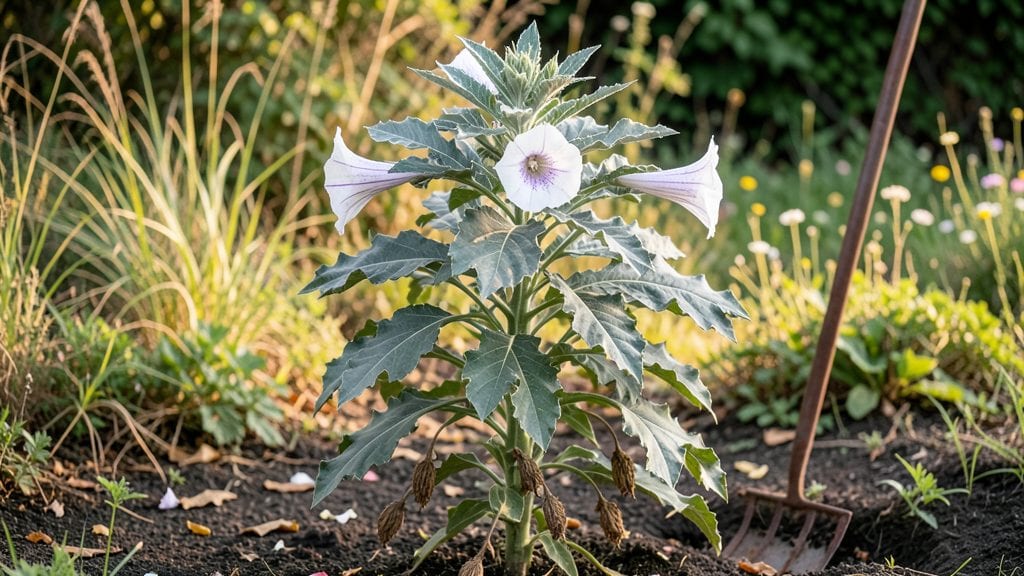
The Naked Gardening Club grows edible plants using only organic methods—no pesticides or synthetic fertilizers. Instead, members rely on companion planting, natural pest deterrents, and soil-enriching practices like composting and mulching to create thriving, chemical-free harvests.
The Naked Gardening Club isn't just about what you grow—it's about how you grow it. 🌱 By eliminating synthetic inputs, members build healthier soil over time, which naturally boosts plant resilience against pests and diseases.
This approach mirrors regenerative agriculture principles, where the focus shifts from treating symptoms (like pests) to strengthening the ecosystem as a whole. I've seen firsthand how even beginner gardeners achieve impressive yields once they master techniques like crop rotation and beneficial insect habitats.
What sets this club apart is its hands-on, community-driven philosophy. Members often share homegrown remedies like garlic spray for aphids or homemade compost tea, creating a collective knowledge base that goes far beyond basic organic gardening.
The emphasis on practical, low-tech solutions makes it accessible to anyone willing to put in the time to learn natural gardening rhythms.
💡 In This Article
- Core Principles of Organic Gardening in Naked Gardening Clubs
- Top Crops and Techniques for Naked Gardening Success
Core principles of organic gardening in naked gardening clubs
At the heart of these clubs lies regenerative agriculture, where the goal isn't just growing food but actively restoring soil health. Members avoid synthetic chemicals because they disrupt the delicate microbial ecosystems in soil—studies show conventional fertilizers can reduce beneficial bacteria by up to 40% within months.
Instead, they focus on building organic matter through composting and cover cropping, which boosts soil carbon by 1-2% annually while improving water retention.
The science behind natural pest control involves ecological balance. For example, neem oil works by mimicking insect hormones, disrupting their life cycles without harming plants.
A 1% neem oil solution applied weekly can reduce aphid populations by 70-80% while garlic spray (made from 1 chopped bulb per gallon of water) deters pests through its sulfur compounds. These methods create a feedback loop where healthy plants resist pests better than chemically treated ones.
Companion planting is another key principle—some pairings, like basil with tomatoes, improve flavor and yield by 30% while repelling whiteflies. The mechanism involves plant volatiles (like limonene in basil) that mask tomato odors from pests.
Mulching with straw or leaves also helps by maintaining 60-70°F soil temperatures, preventing weed competition while conserving moisture—critical in drought-prone areas where water use can drop by 30%.
What most people overlook is how organic gardening improves nutrient cycling. Earthworms, which thrive in chemical-free soil, aerate it and create castings that contain 5x more nitrogen than regular soil.
A single worm can process its body weight in soil daily, turning organic waste into plant-available nutrients. This closed-loop system means members rarely need external inputs beyond compost and green manures.
Members also prioritize biodiversity—planting flowers like marigolds attracts predatory wasps that eat garden pests naturally. Research shows diverse ecosystems reduce pest outbreaks by 50% compared to monocultures.
The sensory rewards are immediate: herbs like mint smell 2-3x stronger when grown organically, and vegetables develop deeper flavors due to slower, stress-free growth.
Here's what actually happens when you skip synthetic fertilizers: Plants develop stronger root systems that seek nutrients deeper, making them more drought-resistant. Tomatoes grown this way often have 20% thicker walls and sweeter fruit because they're not forced into rapid growth with nitrogen-heavy chemicals.
The trade-off? It takes 2-3 seasons to build this soil fertility—but the long-term payoff is harvests that keep improving year after year.