Vegetables
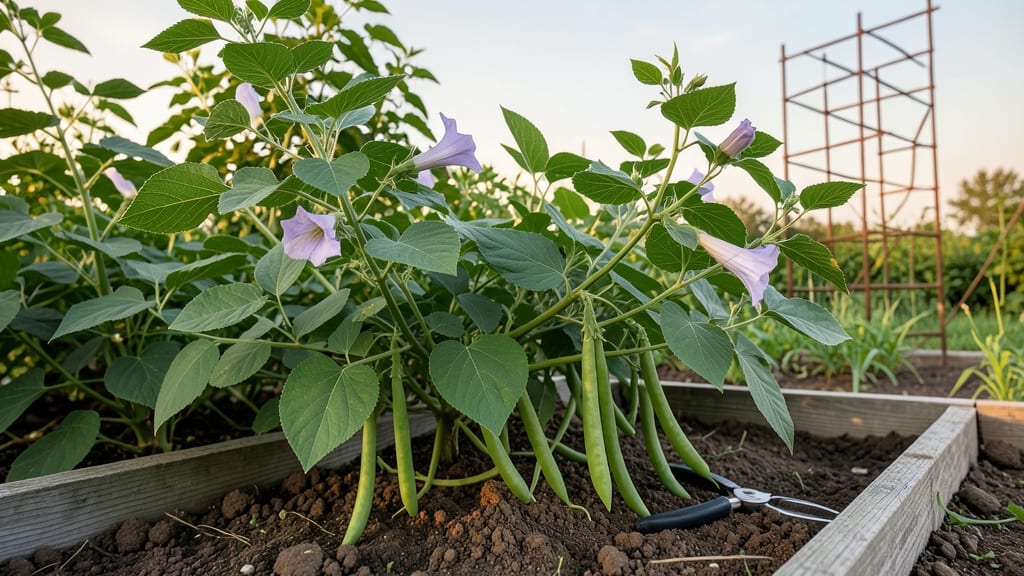
Garden beans and green beans aren't the same: garden beans refer to mature, dried varieties like kidney or pinto, while green beans are the fresh, unripe pods harvested early. They share the same botanical family but serve entirely different culinary purposes.
This distinction matters because what you call "garden beans" in stores are actually the dried seeds from mature pods, while "green beans" are the tender pods themselves—harvested when still green and crisp. 🌱 The confusion stems from how these terms are used in different regions; some countries use "garden beans" to describe the fresh pods, which is why checking the label or asking about maturity stage is key when shopping.
Nutritionally, the dried versions pack more protein and fiber, while fresh green beans offer higher vitamin C and a milder flavor perfect for quick cooking.
💡 In This Article
- Botanical and Growth Stage Differences Between Beans
- Culinary Uses and Nutritional Comparisons
Botanical and growth stage differences between beans
Both garden beans and green beans belong to the Phaseolus vulgaris species, but their differences begin at the cellular level during development.
The key distinction lies in when they're harvested: green beans are picked when their pods are immature (typically 60-90 days after planting), while garden beans refer to the dried seeds from fully mature pods. This maturity difference affects everything from texture to nutritional content. 🌱
The transformation starts with the plant's lifecycle. Green beans are harvested before the seeds inside fully develop—when pods measure about 4-6 inches long and remain bright green. At this stage, the seeds inside are tiny and soft, with moisture content around 80-85%.
In contrast, garden beans (like kidney or pinto) come from pods left to fully mature on the vine, allowing seeds to dry to 12-14% moisture content—a process that takes 90-120 days total.
What most people don't realize is how pod color changes signal maturity. Immature pods stay vibrant green due to high chlorophyll levels, while mature pods often turn yellow or brown as sugars convert to starches.
The seed development inside follows a similar pattern: green bean seeds remain small and pale, while garden bean seeds develop thick protective coats and complex starch structures that make them ideal for long-term storage. 💚
Botanically, these stages create distinct varieties. For example, what Americans call "green beans" might be labeled "string beans" or "snap beans" elsewhere, while "garden beans" in stores are usually dried heirloom varieties like Jacob's Cattle or Great Northern.
The plant itself produces both simultaneously—it's all about harvest timing. This explains why you can grow both types from the same seeds, but their culinary applications differ completely.
Here's what's actually happening chemically: As pods mature, their cell walls thicken and lignify (become woody), while seeds undergo desiccation—a controlled drying process that preserves their shelf life. Green beans contain 1.8% protein by weight, while dried garden beans pack 20-25% protein due to concentrated nutrients from water loss.
This biological process is why dried beans need soaking before cooking—their starches need rehydration to soften. 🌾
The color shift isn't just visual—it's a biochemical process. Chlorophyll breaks down as carotenoids and flavonoids emerge, giving mature pods their golden hues. Meanwhile, the seeds develop anthocyanins (the pigments in black beans) or other compounds that create their distinctive colors.
This explains why dried beans come in such diverse colors from the same plant family—it's all about harvest timing and seed development stages.