Tools
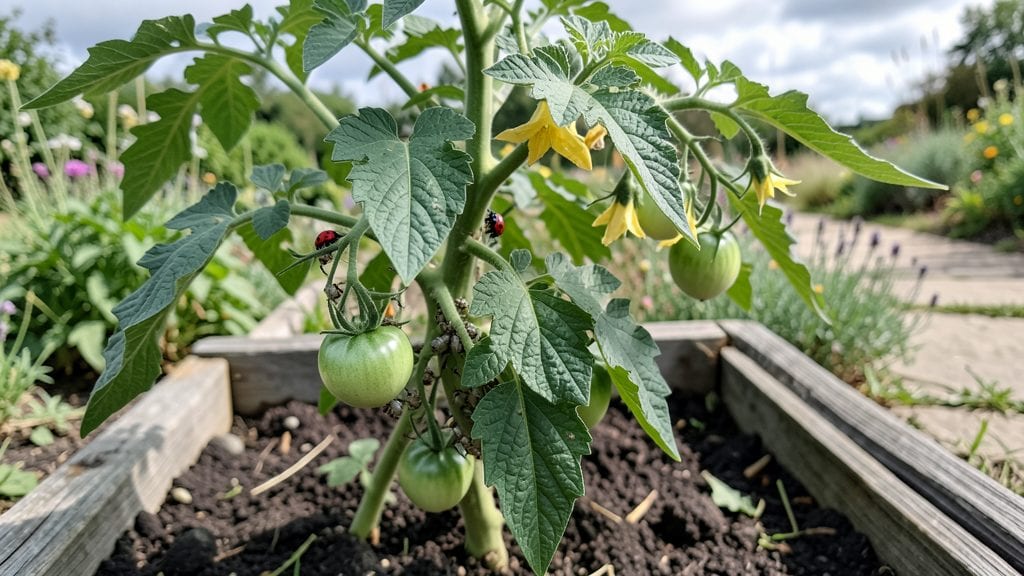
Home garden pests turn your hard work into a buffet. 🌱 I’ve battled aphids, slugs, and even deer in my yard, and the wrong spray just makes them worse—until I found these targeted organic solutions that actually work.
The key isn’t brute force; it’s understanding what pests hate and using it against them.
Most store-bought sprays mask the problem with harsh chemicals that kill good bugs too. Instead, I focus on three simple ingredients—neem oil, garlic, and castile soap—that disrupt pests without harming your plants or the ecosystem.
Aphids? Gone in a day. Slugs? Repelled by copper tape. Deer? They’ll circle your garden and leave.
By the end of this, you’ll have a custom spray blend that smells fresh (no more chemical stink) and keeps pests off for weeks. No more wilting leaves or chewed-up veggies—just healthy plants and the satisfaction of solving it the right way.
Works for veggie gardens, flower beds, and even houseplants. Let’s get those pests out for good—without the guesswork.
The Hidden Triggers Inviting Pests
Your garden isn’t just a haven for your favorite plants—it’s also an all-you-can-eat buffet for pests, and they’re always looking for an invitation. Understanding why these critters show up in the first place is the first step to keeping them out.
Here’s the science behind their unannounced visits, broken down into the most common culprits.
Pests thrive where plants are stressed or packed too tightly together. When your garden becomes a crowded party, pests like aphids, spider mites, and whiteflies move in like uninvited guests—because stressed plants can’t fight back as effectively.
- Why it happens: Overcrowding reduces airflow, leading to humidity buildup and fungal diseases. Weak plants produce less chlorophyll, making them less nutritious—and more appealing—to pests.
- Science in action: Aphids, for example, are drawn to phloem sap, the sweet liquid that flows through a plant’s vascular system. When plants are under stress (from drought, poor soil, or overwatering), their sap becomes even sweeter and more concentrated, signaling to pests: "Eat me!"
- Actionable fix: Space plants according to their mature size, prune regularly to improve airflow, and ensure they get the right amount of sunlight and water. Healthy plants = fewer pest parties.
Just like you’d skip a meal if you weren’t hungry, pests avoid gardens that aren’t up to snuff. But when your soil is lacking, it’s not just your plants that suffer—it’s an open door for pests to move in.
| Nutrient Deficiency | Pests It Attracts | Why It Happens |
|---|---|---|
| Nitrogen (N) | Aphids, Whiteflies, Cutworms | Low nitrogen = soft, weak stems that pests can easily chew through. Plus, nitrogen-deficient plants produce less protein, making them easier prey. |
| Potassium (K) | Japanese Beetles, Slugs, Earwigs | Potassium helps plants repel pests naturally by strengthening cell walls. Without it, plants become more susceptible to damage and attract pests that feed on decaying tissue. |
| Phosphorus (P) | Root Maggots, Wireworms, Fungal Gnats | Phosphorus supports root development. Poor phosphorus levels lead to stunted roots, which pests like root maggots exploit by laying eggs in weak, accessible soil. |
Pro tip: 💡 Conduct a simple soil test (available at garden centers) to check nutrient levels. Amend soil with compost, worm castings, or organic fertilizers to restore balance. A happy soil = happy plants = fewer pests.
Water is the lifeblood of your garden—but too much or too little can turn it into a pest paradise. Pests don’t just show up randomly; they’re drawn to the perfect moisture conditions for their life cycles.
- Overwatering:
- Creates soggy soil, which attracts slugs, snails, and fungal gnats.
- Leads to mold and mildew, which pests like spider mites and whiteflies love to munch on.
- Underwatering:
- Stresses plants, making them more vulnerable to aphids and spider mites.
- Dry soil can crack and expose roots, inviting root-feeding pests like grubs.
Science behind it: Many pests, like slugs, rely on high humidity to survive. Overwatering keeps the ground damp longer, creating the perfect breeding ground. Meanwhile, aphids thrive in dry conditions because their natural predators (like ladybugs) struggle to move.
Actionable fix: 🌡️ Water deeply but infrequently (1-2 inches per week, depending on climate). Use drip irrigation or soaker hoses to target roots directly and avoid wetting foliage. Morning watering gives plants time to dry out, reducing humidity-related pests.
Leaves, old mulch, and plant debris aren’t just eyesores—they’re five-star hotels for pests. Many insects and rodents seek out dark, moist hiding spots to lay eggs, hibernate, or ambush prey.
- Why it happens:
- Decaying organic matter releases sugars and proteins, which attract ants, earwigs, and even rodents.
- Piles of leaves or mulch create microclimates with high humidity, perfect for fungus gnats and slugs.
- Weeds and tall grass provide cover for pests like cabbage worms and cutworms.
- Science in action: Some pests, like Japanese beetles, use chemical cues from decomposing plant matter to find food. Others, like rodents, are drawn to warm, sheltered spots where they can gnaw undisturbed.
Actionable fix: ✨ Keep your garden tidy—remove fallen leaves, weeds, and old mulch regularly. Chop and drop (finely mulch) plant debris instead of piling it. For stubborn pests, rotate crops and avoid planting the same family (like tomatoes or peppers) in the same spot yearly.
Now that you know why pests crash your garden party, the next step is learning how to kick them out for good—without harsh chemicals. Stay tuned!
Quick Fixes for Common Garden Invaders
Unwanted critters can turn your thriving garden into a battleground, but the good news? Most problems have simple, organic solutions that work fast—without harsh chemicals. Below, we’ve matched the most common home garden pests to their best fixes, plus proactive steps to keep them away for good.
Cause: These sap-sucking insects cluster on new growth, leaving sticky residue (honeydew) that attracts mold. Fix It:
- Blast them off 🔥: Spray aphids directly with a strong stream of water from your hose—this dislodges them and washes away honeydew.
- Soapy water spray 🧼: Mix 1 tbsp mild dish soap (like Castile) with 1 quart of water. Spray leaves thoroughly, focusing on undersides where aphids hide. Reapply every 3–4 days.
- Introduce predators 🐞: Ladybugs and lacewings love aphids. Buy them online or attract them with nectar-rich flowers (like dill or fennel).
Prevent them:
- Plant companions 🌱: Marigolds, garlic, and chives repel aphids naturally.
- Encourage biodiversity 🌍: A healthy garden with diverse plants is less appealing to pests.
Cause: These green or yellow caterpillars munch on brassicas (kale, broccoli, cabbage) and can defoliate plants in days. Fix It:
- Handpick early 👨🍳: Check leaves daily (especially undersides) and drop worms into soapy water.
- Bacillus thuringiensis (Bt) spray 💉: This organic bacteria kills caterpillars but is safe for humans and pets. Spray at dusk when worms are active.
- Row covers 🛡️: Lightweight fabric barriers prevent eggs from hatching. Secure edges with soil or bricks.
Prevent them:
- Rotate crops 🔄: Avoid planting brassicas in the same spot yearly.
- Interplant with herbs 🌿: Thyme, mint, or rosemary deter cabbage worms.
Cause: These slimy pests leave silvery trails and irregular holes in leaves, flowers, and fruit. Fix It:
- Beer traps 🍺: Bury a shallow container filled with beer—slugs crawl in and drown. Refresh every few days.
- Copper barriers ⚡: Slugs hate copper! Bend strips around raised beds or pots to create a zap-free zone.
- Diatomaceous earth (DE) 🪨: Sprinkle food-grade DE around plants. It dehydrates slugs but breaks down in rain (reapply after wet weather).
Prevent them:
- Remove hiding spots 🧹: Clear debris, mulch, and rocks where slugs lurk.
- Plant slug-resistant varieties 🌻: Try ‘Red Salute’ roses or ‘Swiss Chard’ (less appealing than tender lettuce).
Cause: While ants themselves aren’t harmful, they “farm” aphids and protect them from predators, worsening infestations. Fix It:
- Vinegar spray 🍶: Mix equal parts water and white vinegar, add a drop of dish soap, and spray ant trails. The scent disrupts their pheromone paths.
- Cinnamon barrier 🌿: Sprinkle ground cinnamon around entry points (like plant bases or sidewalks). It’s non-toxic and repels ants.
- Bait stations 🍞: Use organic borax-free ant baits (like those with bran and sugar) to lure them away.
Prevent them:
- Seal entry points 🚪: Check for cracks in pots, mulch, or woodpiles where ants nest.
- Avoid overwatering 💦: Ants seek moisture—water plants at the base, not overhead.
- Healthy soil = strong plants 🌱: Amend soil with compost to boost plant resilience.
- Water in the morning ☀️: Wet foliage dries faster, reducing slug/aphid habitats.
- Rotate crops yearly 🔄: Prevents soil-borne pests from establishing colonies.
- Encourage beneficial insects 🐝: Plant native flowers (like alyssum or cosmos) to attract hoverflies, bees, and predatory wasps.
Pro Tip: 💡 Test sprays on a small leaf first—some plants (like tomatoes) are sensitive to soap or vinegar. Always opt for organic, least-toxic solutions first!*
Frequently asked questions
What’s the fastest way to get rid of aphids without chemicals?
Spray aphids directly with a strong stream of water to dislodge them, then apply a soapy water mix (1 tbsp mild Castile soap per quart of water). Reapply every 3-4 days, and introduce ladybugs—they eat 5,000 aphids in a lifetime!
Can I use coffee grounds to repel garden pests?
Yes! Sprinkle used coffee grounds around plants to repel slugs, ants, and even cats (they dislike the smell). For best results, mix with soil or place in a barrier around beds. Just avoid overapplying—too much can acidify soil.
How do I keep deer from eating my vegetables?
Plant deer-resistant varieties like marigolds, lavender, or rosemary as borders. For stubborn deer, install a 8-foot tall fence or use motion-activated sprinklers. Soap sprays (mixed with hot peppers) also work—deer hate the smell!
Why do my organic sprays stop working after a few days?
Pests often return because sprays break down in sunlight or rain. Always reapply after wet weather, and rotate methods (e.g., swap neem oil with soapy water). For stubborn bugs, combine tactics—like using copper barriers for slugs and beer traps.
Are there any pests that actually help my garden?
Ladybugs eat aphids, bees pollinate flowers, and earthworms aerate soil. Protect them by avoiding broad-spectrum pesticides. Plant native flowers (like alyssum) to attract these helpful critters naturally.