
Pests and Diseases
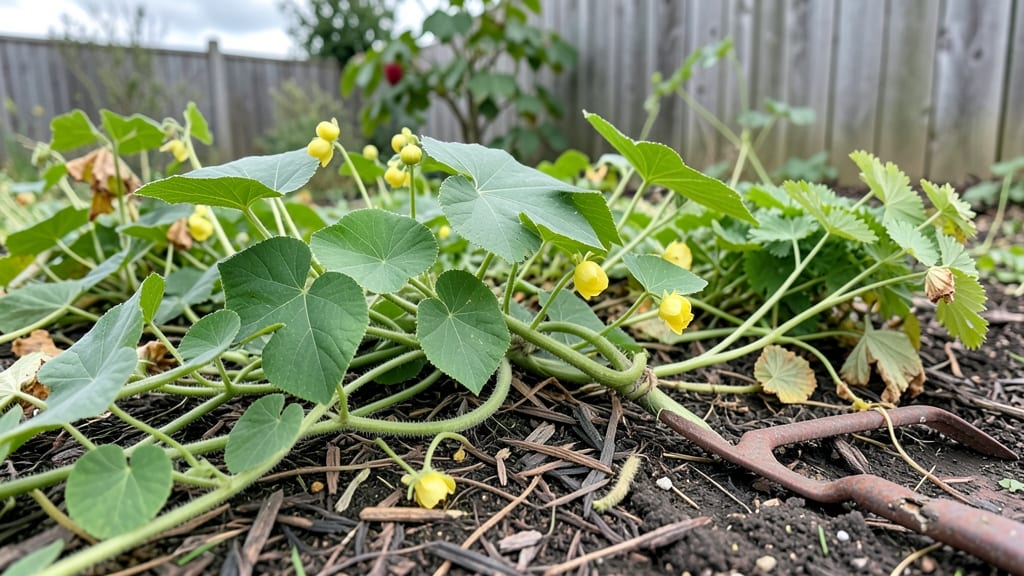
Large garden weeds can turn a thriving plot into a tangled mess before you know it. 🌱 I’ve spent years wrestling with these stubborn invaders—dandelions, bindweed, and the dreaded nutsedges—and I’ve learned the key isn’t just pulling them but stopping their comeback.
The right timing, tools, and soil strategy make all the difference between a quick fix and endless regrowth.
Most people wait until weeds are already towering over their plants, but that’s when they’re hardest to beat. Instead, focus on early intervention—pulling when soil is moist, using the right leverage tools, and smothering regrowth with 3-4 inches of mulch.
I’ve tried everything from vinegar sprays to manual digging, and the most reliable method combines all three. Even in big gardens, consistency beats brute force.
By summer’s end, you’ll have a garden where weeds stay down and your plants shine. The secret isn’t just yanking them out—it’s changing the conditions so they never get a foothold. Healthy soil, dense plantings, and regular checks keep them at bay. Let’s get your garden back under control.
This works for both small patches and sprawling yards—just adjust the tools and timing. The goal is long-term peace, not a temporary cleanup. Ready to reclaim your space?
The Hidden Triggers Behind Unruly Growth
Large, aggressive weeds don’t just pop up overnight—they thrive because of specific conditions in your garden. Understanding these triggers is the first step to stopping them before they dominate your space. Here’s why your garden might be a weed magnet, broken down by science-backed causes.
🌱 1. Bare Soil Gives Weeds a Foothold
Weeds love empty spaces. When soil isn’t covered with mulch, plants, or ground cover, sunlight hits the bare earth, warming it and creating the perfect germination zone for weed seeds.
Many weeds, like dandelions and crabgrass, have seeds that lie dormant until they detect warmth and light—then they sprout within days.
Even a thin layer of mulch (like straw or wood chips) can block 90% of light, preventing weed seeds from germinating. Without competition from grass or plants, weeds grow unchecked, sending deep roots to claim nutrients and water.
💧 2. Overwatering Creates Weed Havens
Weeds are opportunistic—they thrive in moist, fertile soil. While your prized plants might need consistent watering, weeds often prefer excess moisture. Here’s why:
- Deep watering: Frequent, shallow watering keeps the topsoil damp, encouraging weeds like nutsedge (a stubborn, grass-like invader) to spread rapidly.
- Poor drainage: Areas where water pools (like low spots or slopes) become weed hotspots because seeds wash in and germinate in saturated soil.
- Irrigation overspray: Sprinklers that mist sidewalks or driveways can deposit weed seeds onto your lawn or garden beds, where they germinate when watered.
💡 Pro Tip: Water deeply but infrequently—aim for 1–1.5 inches per week—to encourage deep root growth in plants while drying out the soil surface, which discourages shallow-rooted weeds.
🌿 3. Disturbed Soil Releases Dormant Weed Seeds
Every time you till, dig, or aerate your garden, you’re unleashing a seed bomb. Weed seeds can lie dormant in the soil for years—some up to 20+ years—waiting for the right moment to sprout. When you disturb the soil, you:
- Bring buried seeds to the surface, where they get sunlight and moisture.
- Loosen compacted soil, making it easier for weed roots to penetrate.
- Create gaps where weeds can establish before plants fill in.
🔥 Example: A single purslane plant can produce 50,000 seeds, and tilling can bring thousands of these to the surface in one pass.
🌍 4. Poor Soil Health Favors Weeds Over Plants
Weeds don’t need rich soil—they outcompete plants in poor conditions. When your garden soil lacks organic matter, beneficial microbes, or proper nutrients, weeds like bindweed (a tenacious vine) and chickweed (which thrives in cool, compacted soil) take over because:
- Weeds grow fast: Many weeds mature in 30–60 days, producing seeds before your slower-growing plants can establish.
- They adapt to extremes: Weeds like creeping Charlie (ground ivy) can survive in shade, drought, or poor soil, while most garden plants struggle.
- They steal resources: Weeds like lamb’s quarters have broad leaves that shade out smaller plants, robbing them of sunlight.
🌡️ Fix It: Boost soil health with compost or cover crops (like clover) to crowd out weeds naturally and improve plant resilience.
🐞 5. Lack of Natural Predators Lets Weeds Run Wild
In a balanced ecosystem, insects, birds, and fungi help control weed populations. But when you over-treat with pesticides or remove all plant diversity, you disrupt this balance. For example:
- Grubs and beetles: Some insects feed on weed seeds, preventing germination. Pesticides that kill these helpers can lead to explosive weed growth.
- Birds and ducks: They eat weed seeds but avoid treated areas. A pesticide-free garden attracts more natural weed control.
- Fungi and bacteria: Certain soil microbes inhibit weed growth. Chemical fertilizers can kill these beneficial organisms, making weeds more aggressive.
✨ Solution: Encourage biodiversity with native plants, pollinator-friendly flowers, and minimal chemical use to restore natural weed checks.
Now that you know why weeds take over, the next step is smart prevention—because the best weed control starts before seeds even sprout.
Tackle Overgrown Garden Invaders
Large weeds aren’t just unsightly—they steal nutrients, crowd out plants, and make gardening a chore. But with the right strategies, you can reclaim your garden without breaking a sweat.
Below, we’ve mapped out practical solutions for the most common causes of overgrowth, plus tips to keep weeds at bay for good.
🔥 Cause: Weeds Spread from Seeds (Wind & Wildlife)
Dandelions, chickweed, and crabgrass hitch rides on the wind or cling to animals, turning your garden into a seed bomb zone. If you’ve ever pulled one weed only to see dozens sprout nearby, this is likely the culprit.
🍳 Fix It: Starve and Smother
- Mulch like a pro: Apply 3–4 inches of organic mulch (straw, wood chips, or shredded leaves) around plants. This blocks sunlight, preventing weed seeds from germinating. Pro tip: Refresh mulch every 6 months to maintain the barrier. 🌡️
- Use landscape fabric: Lay down fabric in pathways or bare patches, then cover with mulch. Just ensure it’s perforated to allow water drainage.
- Vinegar spray (for stubborn spots): Mix 1 gallon white vinegar + 1 cup salt + 1 tbsp dish soap. Spray on weeds (avoid desirable plants—it’s non-selective!). Reapply after rain. ⚠️ Warning: Wear gloves; vinegar can irritate skin.
💡 Prevent It: Break the Seed Cycle
- Pull weeds before they flower—this stops seed production. Use a weed puller or digger for deep roots.
- Rake up fallen leaves and debris regularly to remove hidden seeds.
- Plant dense ground covers (like clover or creeping thyme) to outcompete weeds naturally.
🌱 Cause: Poor Soil Leads to Weed Growth
Compacted, nutrient-poor soil gives weeds an easy win. If your garden feels hard as a rock or lacks organic matter, weeds thrive where plants struggle.
👨🍳 Fix It: Revitalize the Soil
- Test your soil: A simple pH test kit (available at garden centers) helps determine if your soil is too acidic or alkaline. Aim for 6.0–7.0 for most plants.
- Add compost: Spread 2–3 inches of compost over the soil and till it in lightly. This improves structure and feeds beneficial microbes. Pro tip: Mix in worm castings for extra nutrient boost. ✨
- Aerate compacted areas: Use a garden fork or rent an aerator to poke holes in hard soil. This helps water and roots penetrate deeper.
🎯 Prevent It: Build a Weed-Resistant Garden
- Plant perennials and shrubs in tight clusters—they shade the soil and reduce weed seeds’ sunlight.
- Use corn gluten meal (a natural pre-emergent) in early spring to prevent weed seeds from sprouting.
- Avoid tilling too deeply—it buries weed seeds, causing them to germinate later.
🌪️ Cause: Lawn or Garden Neglect
Skipping mowing, watering inconsistently, or ignoring bare patches creates the perfect breeding ground for weeds like bindweed or thistle.
🔪 Fix It: Reclaim Your Space
- Mow high and often: Set your mower to 3–4 inches to shade out weeds. Mow weekly during growing season to stay ahead.
- Hand-pull aggressively: For deep-rooted weeds (like quackgrass), use a hula hoe or dandelion digger to remove the entire root. Pro tip: Pull when soil is moist for easier extraction. 💪
- Spot-treat with herbicide (last resort): Use a glyphosate-free herbicide (like vinegar-based or corn gluten) for stubborn patches. Always follow label instructions.
⏰ Prevent It: Stay One Step Ahead
- Water deeply but infrequently (1–1.5 inches per week) to encourage deep roots in your plants—and crowd out weeds.
- Plant fast-growing cover crops (like ryegrass) in empty beds to block weeds until you’re ready to plant.
- Walk your garden weekly to spot and remove weeds before they spread.
With these targeted fixes, your garden will go from wild overgrowth to lush and low-maintenance in no time. The key? Consistency and a little elbow grease. Start with one method, track what works, and soon you’ll wonder how weeds ever took over in the first place!
Frequently asked questions
What’s the best time of day to pull large weeds?
Early morning or late afternoon is ideal—soil stays moist from overnight dew or evening watering, making roots easier to extract. Avoid pulling in midday heat, as dry soil tears roots and leaves regrowth behind. For stubborn weeds, soak the area first with water for 10-15 minutes to soften the soil.
Will vinegar really kill large weeds permanently?
White vinegar (undiluted) can work for shallow-rooted weeds like dandelions, but it’s not a permanent fix. The acidity kills the plant above ground, but roots often regrow. For best results, apply a 2:1 vinegar-to-water mix on a sunny day and reapply after rain. For deep-rooted weeds, combine with manual removal or mulching.
How do I prevent weeds from coming back after I remove them?
Focus on three key strategies: Mulch with 3-4 inches of organic material to block sunlight, plant dense ground covers to crowd out weeds, and water deeply but infrequently to discourage shallow-rooted invaders. Regularly check bare spots and pull weeds before they flower to break their seed cycle.
Are there natural alternatives to chemical herbicides?
Try corn gluten meal (a natural pre-emergent), boiling water for spot treatments, or a DIY spray of 1 gallon vinegar + 1 cup salt + 1 tbsp dish soap. For long-term results, improve soil health with compost and plant competitive ground covers like clover. These methods are safer for pets, kids, and the environment.
Why do weeds keep growing back even after I’ve pulled them?
Weeds often regrow because you’re only addressing the symptoms, not the root causes. Most likely, you’re missing dormant seeds in the soil, disturbed soil encouraging new growth, or inadequate mulching to block sunlight. Combine manual removal with soil amendments, mulch, and preventive measures like corn gluten meal for lasting results.