Pests
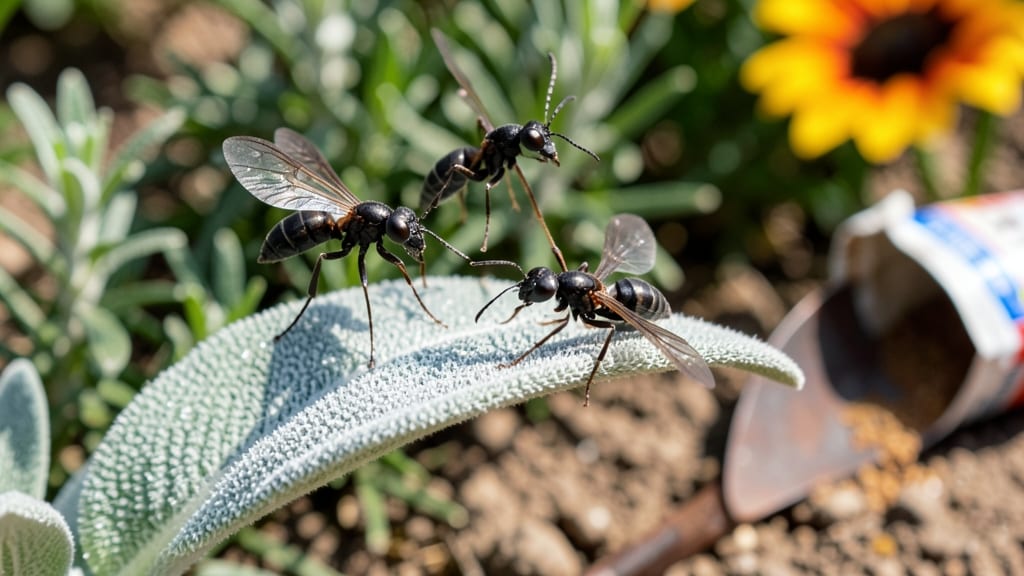
Flying ants swarming your garden isn’t just annoying—it’s a sign your plants might be under attack. 🌿 I’ve battled these winged invaders for years, and I’ll show you how to outsmart them without harming your yard’s ecosystem.
The key is humane traps that lure them away while keeping your garden thriving.
Most people grab pesticides first, but that kills beneficial insects too. Instead, we’ll use simple, eco-friendly traps that target only the flying ants—no collateral damage. You’ll need basic supplies (like a bucket and soap), and the process takes less than 30 minutes.
The best part? These traps work for weeks, not just a single day.
By the end, you’ll have a garden free of swarms while protecting pollinators and soil health. No more panicking when you see wings fluttering—just a calm, natural solution that actually works. Ready to reclaim your yard without the chemical warfare?
This method works for all garden types, from veggie patches to flower beds, and it’s especially effective before summer storms when flying ants are most active. Let’s get started!
The science behind swarms
Understanding why swarms of winged ants suddenly invade your garden requires a peek into their fascinating—and sometimes frustrating—life cycle. These annual events aren’t random; they’re tied to biology, weather, and environmental cues. Here’s why your garden becomes ground zero for flying ants, broken down by the key triggers:
Flying ants are weather-dependent, and their swarming is often linked to specific atmospheric conditions. Here’s how it works:
- Moisture signals: Heavy rain or high humidity (especially after dry spells) triggers the release of pheromones that tell worker ants, "It’s time to reproduce!" Wet soil and air help the winged ants take flight without drying out.
- Barometric pressure drops: Storms or frontal systems lower air pressure, making it easier for ants to launch into the air. This is why swarms often appear just before or after rain.
- Actionable tip: Monitor local weather forecasts. Swarms peak 1–3 days after heavy rain, so you can prepare traps or barriers in advance. 🌡️
Ant colonies grow rapidly, and when they become overpopulated, the queen’s pheromones shift from "expand" to "reproduce." This is the primary biological driver of flying ant swarms:
- Queen’s command: The colony’s queen releases chemicals that mature virgin ants (future queens and males) into reproductive mode. These ants develop wings and leave the nest to mate.
- Resource competition: If your garden has abundant food sources (like aphids, seeds, or decaying matter), colonies thrive—and swell—faster, accelerating the swarming cycle.
- Actionable tip: Reduce ant attractants by removing leaf litter, sealing compost bins, and trimming plants touching your home. Fewer resources = slower colony growth = fewer swarms. ✨
Flying ants are cold-blooded, meaning their life cycle speeds up in warmth. Here’s how heat plays a role:
| Temperature Range | Effect on Swarming |
|---|---|
| <60°F (15°C) | Slow or no swarming; ants remain in nest. |
| 60–75°F (15–24°C) | Optimal swarming conditions; peak activity. |
| >80°F (27°C) | Swarming may occur earlier or in multiple waves. |
Why it matters: Warmer springs and summers (thanks to climate change) are lengthening swarming seasons. In some regions, you might see two swarms per year instead of one.
Actionable tip: Use shade cloth or reflective mulch in hot climates to cool nest sites (like under logs or rocks) and delay swarming. 🌡️
If you’ve recently touched, moved, or disturbed soil in your garden, you might’ve accidentally triggered a swarm. Here’s how:
- Nest disruption: Digging, planting, or even heavy foot traffic can shake loose winged ants, forcing them to emerge early to mate before the nest is destroyed.
- New colonies: Young colonies (under 2 years old) swarm earlier and more aggressively than mature ones, as they’re desperate to spread before dying off.
- Actionable tip: Avoid heavy gardening during peak swarming seasons (spring/early summer). If you must disturb soil, water the area first to encourage ants to relocate naturally. 💡
Pro tip: Flying ants are not the same as termites or mosquitoes—they’re a natural part of the ecosystem. Their swarms are short-lived (usually 24–48 hours), but understanding the "why" helps you outsmart them before they land in your picnic blanket. 🍉
Practical Ways to Outsmart Swarms
Flying ants in your garden aren’t just a nuisance—they can quickly turn a peaceful outdoor space into a buzzing battleground. But before reaching for harsh chemicals, try these humane, effective, and eco-friendly solutions tailored to the root causes of your ant problem.
If you’ve spotted flying ants, the queen’s colony is likely nearby. Disrupting their nesting cycle can prevent future swarms.
🌳 Locate and Remove Nesting Sites
- 🔍 Search for mounds in soil, under logs, or in tree bark.
- 🪓 Carefully remove nests with a trowel or hose (avoid crushing ants—it spreads pheromones).
- 🌱 Replace disturbed soil with fresh mulch or gravel to deter regrowth.
🚫 Block Entry Points
- 🧹 Seal cracks in walls, windows, and foundations with caulk.
- 🪟 Install fine mesh screens on vents and chimneys.
- 🍃 Use natural barriers like diatomaceous earth (food-grade) around entry points.
Chemical sprays kill but don’t solve the problem—baits work better by targeting the colony.
👨🍳 DIY Sugar and Borax Bait (Safe for Gardens) 1. Mix 1 part borax with 3 parts sugar and a little water to form a paste.
- Place small amounts in shallow containers near ant trails.
- ⏰ Wait 24–48 hours—worker ants carry it back to the queen, disrupting the colony.
🍯 Natural Alternatives
- 🍋 Lemon juice + cinnamon (repels ants with scent).
- 🥛 Dish soap + water spray (breaks down their chemical trails).
- 🌿 Crushed mint or cloves (plant near high-traffic areas).
Extreme temperatures can temporarily deter flying ants without killing them.
🔥 Heat Treatment (For Outdoor Nests)
- Use a propane torch (safely!) to heat nest entrances—ants avoid heat.
- ⚠️ Warning: Only do this in dry conditions; avoid flammable materials.
❄️ Freeze Out Indoors
- If ants invade your home, seal food in airtight containers and freeze infested areas overnight.
The best defense? Make your garden unwelcoming to ants naturally.
💡 Pro Tips for Ant-Proofing
- 🌿 Plant ant-repelling herbs like basil, lavender, or rosemary near entry points.
- 🚿 Keep gutters clean—standing water attracts ants.
- 🍃 Avoid overwatering—ants love damp soil.
- 🧹 Regularly clear debris (leaves, branches) where they nest.
🌟 Final Thought: Flying ants are a seasonal nuisance, not a permanent one. With the right mix of trapping, disruption, and prevention, you can keep your garden buzz-free—without harming the ecosystem. Try these methods, and watch those swarms shrink naturally!
Frequently asked questions
Are flying ants harmful to my garden plants?
Flying ants rarely damage mature plants, but their larvae can harm young seedlings or roots by tunneling in soil. The bigger concern is their swarms attracting predators like birds or wasps. Focus on humane removal to protect both your plants and beneficial insects.
How do I tell if flying ants are nesting near my garden?
Look for small mounds (1-2 inches tall) in soil, under logs, or in tree bark—these are classic nesting sites. You’ll also see winged ants clustering on windows or plants during swarming season (spring/early summer). Tap the ground near trails; if you hear rustling, they’re likely underground.
Will vinegar or soap kill flying ants?
No—vinegar or dish soap won’t kill them but can disrupt their pheromone trails temporarily. For better results, use a 1:1 water-soap spray to knock them down, then sweep them up. The key is removing them before they mate and return to nests.
Can flying ants come back after I’ve gotten rid of them?
Yes, but not immediately. Colonies take 1-2 years to mature, so swarms won’t return for another season if you eliminate the queen. Monitor for new mounds in spring. Consistent prevention (like removing leaf litter) keeps them away long-term.
Are flying ants the same as carpenter ants?
No—they’re different species! Flying carpenter ants have one-node waists and can damage wood, while flying ants have two-node waists and rarely harm structures. The wings also differ: carpenter ants’ wings are unequal in length. Focus on identification before treating.