
Tools
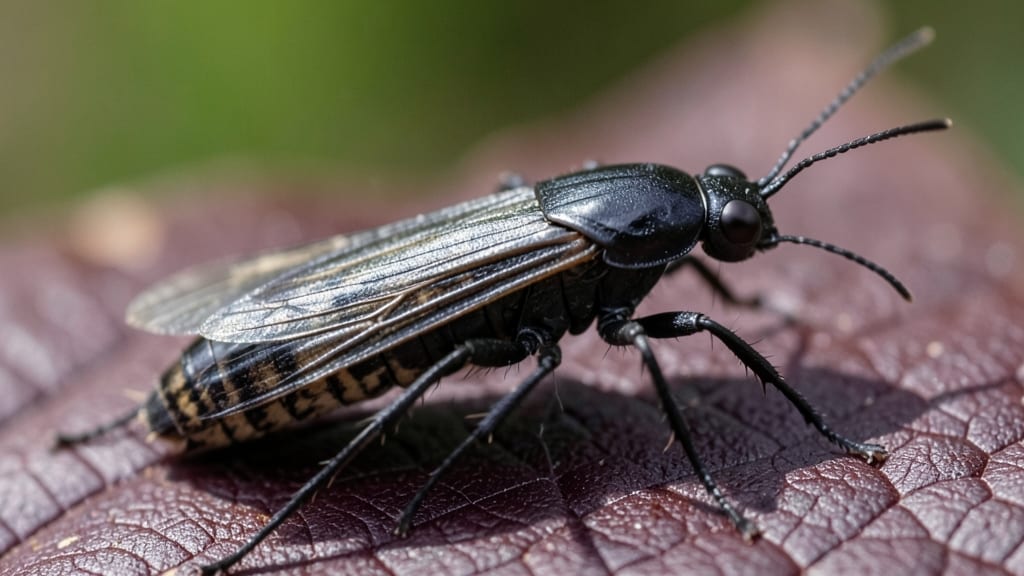
Black bugs in your garden aren’t just annoying—they can turn your thriving plants into a buffet. 🌿 I’ve battled everything from tiny aphids to those creepy beetles, and the right traps make all the difference.
The key isn’t just catching them, but doing it without harming your plants or the ecosystem.
Most black bugs—like earwigs or stink bugs—hide in leaves or soil, but they leave telltale damage: chewed foliage, sticky residue, or wilting stems. The good news? Humane traps work better than sprays, and they’re easy to set up with materials you already have.
No harsh chemicals, just smart solutions that keep your garden healthy.
You’ll learn which traps actually work (spoiler: beer traps for earwigs, sticky barriers for beetles) and how to spot the early signs of an infestation. Within a week, you’ll see fewer bugs and happier plants. The best part? These methods prevent future problems too.
Whether you’re dealing with a sudden outbreak or just want to stay ahead, these strategies adapt to any garden size. Let’s get those pests under control—without the guilt.
The Hidden Triggers Behind Them
Those mysterious black bugs invading your garden aren’t just random pests—they’re drawn in by specific conditions that turn your yard into an all-you-can-eat buffet. Understanding why they show up is the first step to outsmarting them. Let’s break down the science behind their unwelcome visits.
Black bugs like sowbugs, pill bugs, or fungus gnats thrive in damp environments. Here’s why:
- Poor drainage: If your garden retains water (think clay soil or compacted areas), it creates the perfect humidity hotspot. Bugs like shiny black fungus gnats lay eggs in moist soil, and their larvae feast on decaying organic matter.
- Overwatering: Drenching plants daily keeps the topsoil soggy, signaling to moisture-loving pests that it’s a safe haven. Black vine weevils, for example, seek out damp mulch to bury their eggs.
- Decaying plant matter: Leaves, grass clippings, or rotting wood in shaded areas trap moisture, attracting black ground beetles or earwigs that hunt in humid conditions.
💡 Pro Tip: Test your soil’s drainage by digging a 6-inch hole, filling it with water, and timing how long it takes to drain. If it’s slower than 4 hours, amend with sand or organic matter to improve airflow.
Black bugs are often scavengers, and your compost pile or leaf litter is a five-star restaurant. Here’s the breakdown:
- Compost heaps: While composting is great for gardens, black soldier fly larvae or darkling beetles (aka mealworms) swarm piles that are too wet or not turned frequently enough. These bugs break down organic matter—but they also multiply exponentially.
- Leaf litter and mulch: Thick layers of leaves or wood chips create microclimates where black ants or crawling black beetles nest. They’re drawn to the shelter and the food source (decomposing plant material).
- Stale plant debris: Dead flowers, fallen fruits, or even old vegetables left on the ground attract black fungus gnats and sap beetles, which are drawn to fermenting sugars.
🔥 Action Step: Turn your compost pile regularly (every 1–2 weeks) and avoid piling organic waste in one spot. For mulch, keep it 3–4 inches thick and avoid mounding it against tree trunks—this prevents moisture buildup and deters pests.
Stressed plants release chemical signals that attract predators—or in this case, pests. Black bugs often target:
- Root-feeding larvae: Black vine weevils or grubs (like those from Japanese beetles) chew on roots of stressed plants. Their presence weakens the plant further, making it more appealing to other bugs.
- Sap-sucking invaders: Black aphids or scale insects pierce plant tissues, exuding a sticky honeydew that attracts ants (which “farm” them for the sweet secretion). This creates a feedback loop of infestation.
- Fungal infections: Black bugs like fungus gnats thrive in soil with thriving fungi, often a sign of overwatered or poorly aerated plants. Their larvae feed on fungal hyphae, worsening root rot.
🌡️ Quick Fix: Inspect plants for yellowing leaves, wilting, or sawdust-like frass (insect droppings). Prune damaged foliage immediately and apply neem oil or beneficial nematodes to disrupt pest life cycles.
Sometimes, the black bugs in your garden are your guests—thanks to unintentional invitations. Common culprits:
- Light pollution: Black moths, beetles, and even crickets are drawn to outdoor lights at night. These bugs get disoriented and end up in your garden, where they may lay eggs or seek shelter.
- Unsealed trash or compost bins: The smell of food scraps or pet waste attracts black flies, ants, and rove beetles. Even a slightly open lid can be enough.
- Firewood or stored lumber: Damp wood piles become breeding grounds for black carpet beetles or powderpost beetles, which eventually spread to nearby plants.
- Pet waste: Dog or cat feces contain eggs from black flies or parasitic worms. These hatch into pests that target your garden’s moisture-rich soil.
✨ Prevention Tip: Use yellow bug lights (which attract fewer insects) or motion-activated lights. Store firewood elevated and covered, and keep trash bins with tight-fitting lids at least 20 feet from your garden.
Now that you know the why, the next step is humane traps and fixes to kick these uninvited guests to the curb—for good.
Quick Fixes for Tiny Garden Invaders
If your garden has become a buffet for black bugs—whether they’re aphids, fungus gnats, or those pesky earwigs—don’t panic! These unwanted guests can be evicted without resorting to harsh chemicals.
Below, we’ve mapped out practical, humane solutions tailored to the most common culprits, along with prevention tips to keep your garden pest-free long-term.
Before grabbing the first trap you see, take a moment to recognize the intruder. A quick inspection of their size, behavior, and where they’re congregating will help you choose the right fix. Here’s a quick cheat sheet:
| Bug Type | Where You’ll Find Them | What They’re After |
|---|---|---|
| Aphids | Leaves (especially new growth) | Plant sap |
| Fungus Gnats | Soil surface, near moisture | Fungal decay in compost/soil |
| Earwigs | Under rocks, mulch, or damp areas | Decaying plant matter |
| Stink Bugs | Leaves, stems, or hiding in cracks | Fruits, seeds, and tender plants |
🍳 Sticky traps for flying pests (fungus gnats & whiteflies)
Problem: Tiny, winged bugs buzzing around potted plants?
Chances are, they’re fungus gnats or whiteflies—both love damp soil and fresh leaves. Fix: 1. Buy or DIY sticky traps – Yellow or blue sticky cards (available at garden stores) lure these bugs in with their bright color.
- Place traps near affected plants – Hang them just above the soil or foliage.
- Add a water source – A shallow dish with soapy water (1 tsp dish soap + 1 cup water) near the traps will drown stragglers.
- Replace traps weekly – Once saturated with bugs, they lose effectiveness.
💡 Pro Tip: For organic control, sprinkle a thin layer of sand on top of moist soil. Fungus gnats lay eggs in damp conditions, and sand disrupts their lifecycle.
👨🍳 Soap spray for soft-bodied bugs (aphids & mealybugs)
Problem: Clusters of tiny, slow-moving black or green bugs sucking sap from your plants?
Aphids and mealybugs multiply fast and weaken plants. Fix:
- Mix a gentle soap spray – Combine 1 tsp mild liquid soap (like Castile soap) with 1 quart of water in a spray bottle.
- Test on a small leaf first – Some plants (like succulents) are sensitive to soap.
- Spray directly on bugs – Focus on the undersides of leaves where they hide. Reapply every 3–5 days until they disappear.
- Encourage natural predators – Ladybugs and lacewings love aphids. Buy them online or attract them with dill or fennel plants.
✨ Bonus: For stubborn infestations, neem oil spray (1 tsp neem oil + 1 tsp soap + 1 quart water) works as a natural insecticide and repellent.
🏡 Barrier methods for crawlers (earwigs & pill bugs)
Problem: Earwigs and pill bugs (rolly-pollies) sneak in at night, munching on leaves and flowers.
They thrive in damp, dark corners. Fix: 1. Create a physical barrier – - Diatomaceous earth (DE) – Sprinkle food-grade DE around plant bases and garden edges.
It’s non-toxic to humans/pets but kills bugs by dehydrating them. - Copper tape – Wrap it around pots or raised beds; earwigs hate the electrical charge it creates. 2. Reduce hiding spots – - Remove mulch, rocks, and debris near plants. - Keep garden beds tidy—earwigs love clutter!
- Traps with beer or water – - Bury a shallow dish filled with beer (or soapy water) near infested areas. Earwigs crawl in and drown.
🌡️ Prevention: Earwigs love moisture—water plants in the morning so soil dries by evening, and avoid overwatering.
🍎 Homemade repellents for stink bugs
Problem: Shield-shaped black bugs with a distinctive odor?
Stink bugs release a foul smell when threatened and devour fruits/veggies. Fix: 1. Kaolin clay spray – - Mix 1 cup kaolin clay (or baby powder) with 1 gallon of water and a dash of soap. - Spray on leaves—it creates a protective film that bugs dislike.
- Diatomaceous earth (DE) dusting – - Lightly dust DE on soil and under leaves. Stink bugs avoid it and die if they crawl through.
- Row covers for veggies – - Use fine mesh netting over tomatoes, peppers, and beans to block adults from laying eggs.
🎯 Prevention: Rotate crops yearly—stink bugs target the same plants (like tomatoes) season after season.
The best defense is a healthy, uninviting garden. Try these low-effort habits to deter black bugs before they arrive:
- 🌱 Healthy soil = happy plants – Strong plants resist pests. Use compost, worm castings, and balanced fertilizer. - 💦 Water wisely – Deep watering (early morning) reduces moisture-loving bugs like fungus gnats. - 🌿 Plant diversity – Bugs target monocultures.
Mix herbs, flowers, and veggies to confuse them. - 🕷️ Welcome predators – Ladybugs, lacewings, and birds eat garden pests. Install a birdhouse or bee hotel! - 🧹 Regular cleanup – Remove dead leaves, fallen fruit, and weeds where bugs hide.
Final Thought: Most garden bugs are easy to outsmart with the right tools and a little patience. Start with one or two methods, monitor progress, and adjust as needed. Before you know it, your garden will be bug-free and thriving—naturally!
Frequently asked questions
Why do black bugs suddenly appear in my garden?
Black bugs often show up due to damp conditions, poor drainage, or decaying plant matter. They thrive in moist soil where they feed on organic debris or weakened plants. Overwatering or thick mulch layers create perfect breeding grounds for pests like fungus gnats or earwigs.
Are all black bugs harmful to my plants?
Not necessarily! Some, like ladybugs or ground beetles, are beneficial predators that eat harmful pests. However, others such as aphids or stink bugs can damage foliage and fruits. Identify them first before acting—most harmless bugs won’t harm your garden.
How do I tell if black bugs are damaging my garden?
Look for chewed leaves, sticky residue (honeydew), or yellowing plants. Tiny holes in foliage or wilting stems often signal root-feeding larvae. Check soil moisture too—overwatered areas attract moisture-loving pests that weaken plants over time.
Can I use beer traps for all types of black bugs?
Beer traps work best for earwigs and slugs, but not for flying pests like fungus gnats or aphids. For crawlers, bury a shallow dish of beer near infested areas—they’ll drown. For flying bugs, use sticky traps or soapy water instead.
Will neem oil kill black bugs instantly?
Neem oil disrupts pests’ life cycles but doesn’t kill them instantly. It works best as a preventive spray (mix 1 tsp neem oil + 1 tsp soap + 1 quart water) applied every 7–10 days. Reapply after rain, as it washes off quickly.