Tools
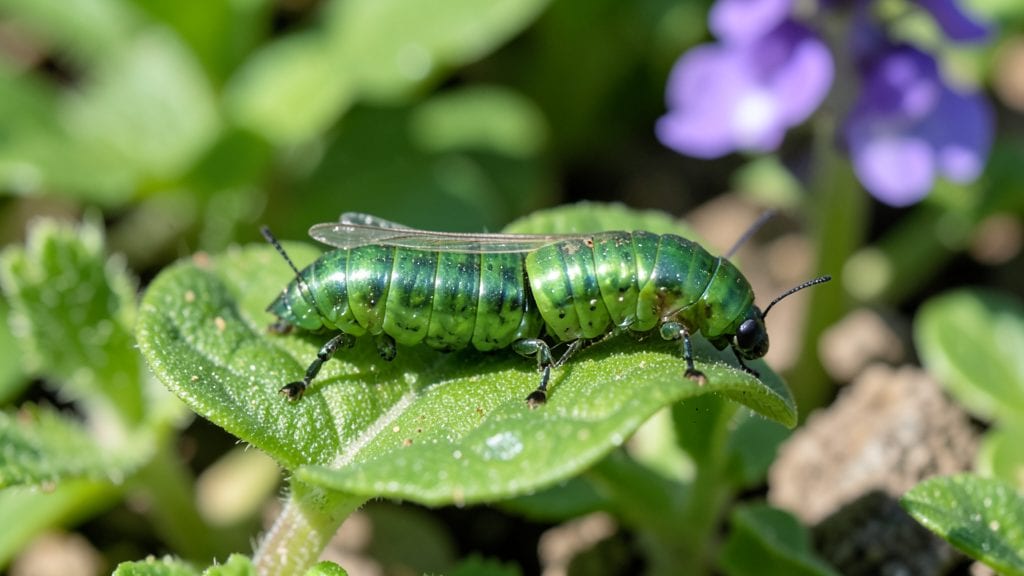
Green garden bugs—those tiny invaders—don’t have to mean the end of your plants. 🌿 I’ve spent years testing humane traps that keep pests out while protecting bees, ladybugs, and other helpful critters. The key is targeting the right bugs without harming the good guys.
Most green pests like aphids or cucumber beetles thrive because they’re easy to overlook until your leaves look like Swiss cheese. But with the right traps—think sticky barriers for beetles or soapy water sprays for aphids—you can stop them before they multiply.
These methods work fast and won’t leave chemical residues on your veggies.
You’ll end up with plants that stay lush and healthy, all while keeping your garden’s ecosystem balanced. No more wilted tomatoes or chewed basil—just a thriving, pest-free space. Let’s set up those traps the right way.
Works for vegetable gardens, flower beds, and even houseplants. No more guessing which bugs are harmful—just clear, effective solutions that keep your garden safe and productive. Ready to take action?
Underlying Causes Of Unwanted Visitors
Green garden bugs—like aphids, leafhoppers, or even vibrant beetles—often show up when your garden’s balance tips. Understanding why they invade helps you address the root issue, not just the symptoms. Below are the most common triggers, backed by science, so you can take targeted action.
When plants are packed too tightly or struggling (due to poor soil, drought, or nutrient deficiencies), they become easier targets for pests. Weakened plants can’t produce enough natural defenses like volatile organic compounds (VOCs), which repel insects. For example:
- Root-bound plants attract sap-sucking bugs like aphids, which thrive on stressed foliage.
- Nitrogen-heavy soils (common in over-fertilized gardens) produce tender, sugary leaves that lure pests.
- Drought stress reduces plant resilience, making them more vulnerable to chewers like Japanese beetles.
Actionable fix: Prune for airflow, mulch to retain moisture, and test soil pH—aim for 6.0–7.0 for most veggies.
Healthy gardens teem with beneficial insects (ladybugs, lacewings, parasitic wasps) that keep pest populations in check. When these helpers vanish—due to pesticide use, habitat loss, or monoculture planting—pests explode. For instance:
- Broad-spectrum insecticides kill both pests and their predators, creating a vacuum effect where bugs rebound faster.
- Lawn-heavy landscapes offer few hiding spots for predator insects, reducing biodiversity.
- Seasonal die-offs (e.g., cold snaps) can temporarily remove key predators, giving pests a temporary advantage.
Actionable fix: Plant native flowers (like dill, fennel, or yarrow) to attract predators year-round. Avoid synthetic pesticides—opt for neem oil or soapy water sprays instead.
Unpredictable weather—whether warmer winters or heavy rains—disrupts natural pest cycles. For example:
| Weather Factor | Pest Impact | Why It Happens |
|---|---|---|
| Mild winters | Green peach aphids, cabbage worms | Overwintering pests survive longer, hatching earlier in the season. |
| Excessive rain | Slugs, fungus gnats | Moisture-rich soil boosts fungal growth, which pests feed on. |
| Drought followed by sudden rain | Cucumber beetles, flea beetles | Dry soil stresses plants, making them emit distress signals that attract pests. |
Actionable fix: Monitor local pest forecasts (check NC State Extension or UC IPM) and use row covers in early spring to block migrating bugs.
Leaves, fallen fruit, and garden waste create hiding spots and breeding grounds for pests. For example:
- Decaying organic matter (like rotting veggies or mulch piles) attracts fruit flies and cutworms.
- Weeds (especially dandelions and chickweed) harbor aphids and whiteflies, which then spread to your plants.
- Stale water in saucers or clogged gutters breeds mosquitoes and fungus gnats.
Actionable fix: Clear debris weekly, compost only dry leaves (avoid diseased plants), and store firewood away from garden edges.
💡 Pro Tip: If you spot honeydew (sticky residue on leaves), it’s a sign of sap-sucking bugs like aphids—act fast to prevent sooty mold (a black fungal growth).
Natural Fixes for Garden Pests
Dealing with unwanted green garden visitors doesn’t have to mean harsh chemicals or expensive solutions. With the right approach, you can keep your plants thriving while maintaining a balanced ecosystem. Below are practical, humane solutions tailored to common causes of garden pest invasions—plus prevention tips to keep them from returning.
Aphids, whiteflies, and other sap-sucking pests often turn leaves sticky and stunt plant growth. Here’s how to tackle them without harming beneficial insects:
🔥 Homemade Sprays (Safe & Effective)
- Soapy Water Blast 🧼 Mix 1 tbsp mild castile soap (or dish soap) with 1 quart of water.
Spray directly on pests—soap disrupts their protective coating. Reapply every 3–4 days until gone. - Pro Tip: 💡 Test on a small leaf first to avoid damaging sensitive plants.
- Neem Oil Solution 🌿 Combine 1 tsp neem oil + 1 tsp horticultural oil + 1 tsp mild soap in 1 quart of water.
Shake well and spray early in the morning (avoid direct sun to prevent leaf burn). - Why It Works: Neem oil repels pests and disrupts their life cycle.
🌿 Preventative Plant Care
- Encourage Natural Predators 🦋 Plant marigolds, dill, or fennel near vulnerable plants—these attract ladybugs, lacewings, and parasitic wasps, which eat aphids for breakfast.
- Prune Regularly ✂️ Remove heavily infested leaves and dispose of them in a sealed bag (not compost).
Japanese beetles, flea beetles, and grubs can skeletonize leaves or damage roots. Here’s how to outsmart them:
🍳 DIY Traps & Barriers
- Beer Trap for Grubs 🍺 Bury a plastic cup in the soil (rim flush with ground), fill with beer, and cover with a board. Grubs crawl in and drown—replace every 2–3 days.
- Bonus: Works for chafer grubs and cutworms.
- Row Covers & Netting 🛡️ Use floating row covers (lightweight fabric) over young plants to block adult beetles. Secure edges with soil or bricks.
🌡️ Soil & Mulch Tweaks
- Beneficial Nematodes 🐛 Apply heterorhabditis bacteriophora nematodes to the soil—they hunt and kill grubs naturally. Water well after application.
- Avoid Overwatering 💧 Grubs thrive in soggy soil. Use drip irrigation and mulch to regulate moisture.
If your plants show chewed edges, silvery slime trails, or mushy spots, slugs, snails, or fungal pests may be the culprits.
🔪 Non-Toxic Slug Busters
- Copper Barrier ⚡ Bury copper tape (or use copper wire) around garden beds—it gives slugs a mild electric shock, deterring them.
- Coffee Grounds ☕ Sprinkle used coffee grounds around plants—slugs hate the texture and smell. Refresh every few days.
- Beer Traps (Again!) 🍺 Bury a shallow dish filled with beer. Slugs crawl in and can’t crawl out. Empty and refill every 2 days.
🎯 Fungal Prevention
- Improve Airflow 🌬️ Space plants properly and prune crowded foliage to reduce humidity (fungi love damp conditions).
- Baking Soda Spray 🧂 Mix 1 tsp baking soda + 1 quart of water + a few drops of soap. Spray on leaves to prevent powdery mildew.
- 🔥 Crop Rotation – Avoid planting the same family of plants (e.g., tomatoes, peppers) in the same spot yearly.
- 🌿 Companion Planting – Pair vulnerable plants with basil, thyme, or garlic to repel pests naturally.
- 🌡️ Healthy Soil = Strong Plants – Use compost and worm castings to boost plant resilience.
- 🕵️♂️ Early Detection – Check plants weekly (especially undersides of leaves) for signs of pests.
Remember: The key is balance—targeted solutions keep pests in check without harming the garden’s ecosystem. Try one method at a time, observe results, and adjust as needed! 🌱
Frequently asked questions
Are all green garden bugs harmful to my plants?
Not at all! Many green insects are actually beneficial. Ladybugs, lacewings, and green parasitic wasps help control pests by eating aphids and other nuisances. Focus on identifying the troublemakers—like cucumber beetles or green peach aphids—which have distinct damage patterns (chewed leaves, sticky residue). Always check both sides of leaves!
How do I tell the difference between harmful and helpful green bugs?
Look at their behavior and plant damage. Harmful ones like cucumber beetles leave jagged holes in leaves, while aphids create sticky honeydew. Helpful bugs like green lacewings have delicate wings and don't damage plants—they're out hunting pests. Use a magnifying glass to examine their body shape and mouthparts!
Can I use these humane traps for indoor plants too?
Many traps work indoors just as well. For example, soapy water sprays are perfect for houseplants with aphids, and yellow sticky traps catch flying pests like fungus gnats. Just avoid beer traps indoors—they attract fruit flies instead! Always test solutions on a small leaf first to avoid harming delicate foliage.
What's the fastest way to stop an aphid infestation?
Try the soapy water blast method first—it works in 24 hours for light infestations. Mix 1 tablespoon mild soap with 1 quart of water, spray directly on aphids, and repeat daily until gone. For stubborn cases, add 1 teaspoon neem oil to the mix. Always spray early morning to avoid leaf burn from sunlight.
Will these methods work in all climates?
Most solutions are climate-adaptable, but timing matters. In hot, dry climates, focus on mulching and drip irrigation to prevent stress that attracts pests. In humid areas, prioritize airflow improvement and baking soda sprays for fungal issues. Always adjust watering—overwatering creates perfect conditions for slugs and fungus gnats in any climate!