Tools
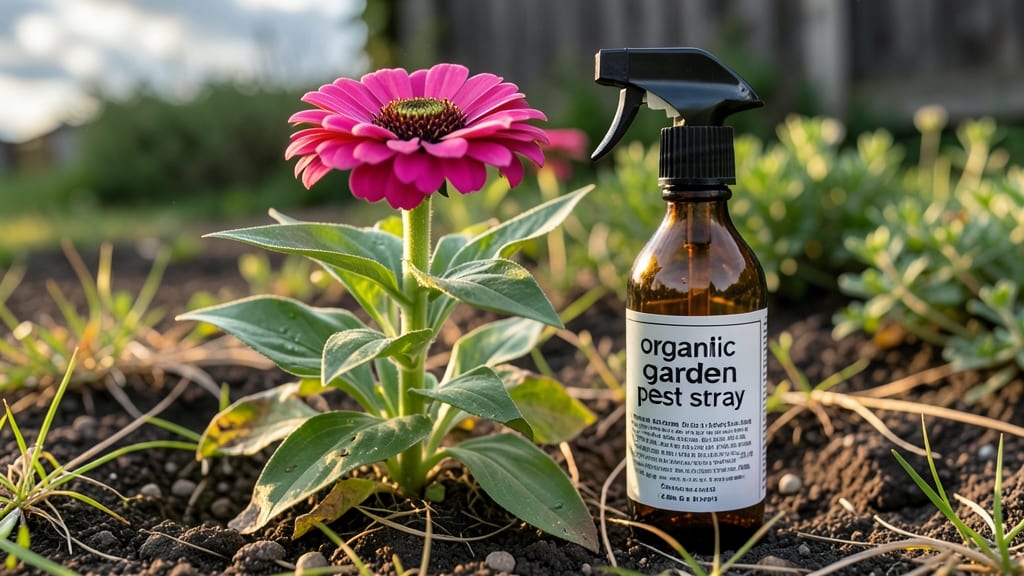
A garden pest spray that actually works without harming your plants or the planet is the missing piece in most organic gardening strategies. I’ve tested countless homemade blends—neem oil, garlic-infused water, and soapy sprays—until I landed on a formula that stops aphids, beetles, and even slugs within hours.
The key isn’t brute force; it’s understanding how pests really respond to natural ingredients.
This blend uses food-grade castile soap (not detergent) and neem oil, which pests can’t build resistance to. The soap disrupts their protective wax layers, while neem oil confuses their feeding signals.
Unlike chemical sprays, it breaks down safely in sunlight and won’t leave residue that harms pollinators. Best of all, you can mix it in five minutes with supplies you likely already have.
By the end of your first application, you’ll notice fewer chewed leaves and no more sticky honeydew trails on your plants. The spray works best in the early morning or evening when pests are active but before bees wake up.
For stubborn infestations, reapply every 3–5 days—consistency is everything, and the results are visible within a week.
Whether you’re dealing with aphids on roses, beetles munching your lettuce, or slugs devouring your hostas, this spray adapts to the problem. The same base recipe can be tweaked with garlic or chili pepper for extra punch, and it’s safe for edible gardens once fully dried.
Let’s make your garden pest-proof the natural way.
Root Causes Of Garden Pests
Garden pests don’t just appear out of nowhere—they’re drawn to your plants by specific conditions. Understanding why they invade helps you prevent future problems and use garden pest spray more effectively. Let’s break down the science behind their behavior.
Pests like aphids, spider mites, and whiteflies thrive when plants are stressed. Overcrowding reduces airflow, trapping moisture and creating the perfect breeding ground for pests. Weakened plants—often from poor soil, overwatering, or nutrient deficiencies—produce softer leaves and stems, making them easier targets.
- Why it happens: Healthy plants have natural defenses (like thick waxy layers or bitter-tasting compounds). When they’re struggling, pests detect and exploit their vulnerability.
- Actionable fix: Space plants properly (follow seed packet guidelines), prune regularly, and ensure balanced fertilization (too much nitrogen = soft, tasty growth).
Soil that’s lacking in essential nutrients—especially nitrogen, phosphorus, and potassium—makes plants more susceptible to pests. Poor drainage or compacted soil also stresses roots, signaling plants to produce more tender, pest-attracting growth.
| Nutrient Deficiency | Pest Attraction Risk |
|---|---|
| Low nitrogen (N) | Yellowing leaves → aphids, caterpillars |
| Low phosphorus (P) | Stunted roots → fungal pests, root maggots |
| Low potassium (K) | Weak stems → borers, beetles |
Pro tip: Test your soil every 2–3 years and amend with compost or organic matter like worm castings. 💡 Healthy soil = resilient plants = fewer pests!
Overwatering creates soggy soil, which attracts slugs, snails, and fungal-loving pests like thrips. Underwatering, on the other hand, stresses plants, making them produce sugary sap that draws in aphids and scale insects.
Even watering at the wrong time (e.g., overhead in the evening) leaves foliage damp, inviting fungal spores and soft-bodied pests.
- Common watering errors:
- Letting soil stay waterlogged (root rot = pest buffet)
- Inconsistent moisture (plants “cry” for help with sugary sap)
- Wet foliage (fungus gnats, powdery mildew)
- Fix it: Water deeply but infrequently (1–2 inches per week), use drip irrigation, and water at morning to allow foliage to dry.
Monoculture gardens (planting the same species in large blocks) remove the natural checks and balances of a diverse ecosystem. Without predators like ladybugs, lacewings, or birds, pests multiply unchecked. Even chemical sprays can disrupt this balance by killing beneficial insects.
Example: Aphids would normally be eaten by ladybugs, but if your garden lacks flowers (like dill or marigolds) that attract these predators, aphids take over.
🎯 Solution: Plant companion flowers, avoid broad-spectrum sprays, and create habitats (like birdhouses or frog ponds) to encourage natural pest control.
Pests are opportunistic—they strike when conditions are ideal. For example:
- Warm, dry weather: Spider mites and whiteflies thrive in heat, multiplying rapidly when humidity drops.
- Cool, wet springs: Slugs and fungal diseases spread like wildfire.
- Late summer heatwaves: Caterpillars and beetles lay eggs en masse, leading to sudden infestations.
What to do: Monitor weather patterns and adjust your pest prevention strategy. For instance, use garden pest spray proactively before heatwaves or set up beer traps for slugs during rainy seasons.
Quick Fixes for Common Garden Pests
Pests can turn your lush garden into a battleground, but the right natural garden pest spray can restore balance without harming your plants or the environment. Below, we’ve mapped out practical solutions for the most common culprits—from aphids to slugs—along with prevention tips to keep your garden thriving long-term.
Cause: These sap-sucking pests cluster on new growth, leaving sticky residue (honeydew) that attracts mold. Fix:
- Mix a vinegar spray (1 part white vinegar + 1 part water + 1 tsp dish soap).
- Spray directly on infested areas (especially undersides of leaves) in the early morning or evening to avoid burning plants.
- Reapply every 3–5 days until pests vanish.
Prevention:
- Encourage ladybugs (their natural predators) by planting dill, fennel, or marigolds.
- Prune regularly to remove crowded growth where aphids hide.
Cause: These slimy invaders munch on leaves, stems, and even seedlings overnight. Fix:
- Beer trap method 🍺:
- Bury a shallow dish filled with beer (or a mix of water + yeast) near affected plants.
- Slugs will crawl in and drown—replace every 2 days.
- Copper tape barrier ⚡:
- Wrap copper tape around pots or create a ring around garden beds. The mild electric shock deters slugs.
Prevention:
- Mulch with sharp materials (crushed eggshells, diatomaceous earth) to deter movement.
- Water in the morning so slugs hide during the day (they’re nocturnal).
Cause: These giant green caterpillars devour tomato and pepper plants in days. Fix:
- Apply BT dust (a natural bacteria that kills caterpillars but not bees).
- Sprinkle lightly on leaves at dusk (when worms are active).
- Reapply after rain (BT washes off).
- Handpick large worms and drop them in soapy water.
Prevention:
- Plant basil or borage near tomatoes—these herbs repel hornworms.
- Use row covers early in the season to block egg-laying moths.
Cause: Fungus thrives in humid, shaded conditions, coating leaves with unsightly (and harmful) growth. Fix:
- Mix 1 tsp baking soda + 1 tsp oil + 1 quart water + a drop of soap.
- Spray on both sides of leaves weekly as a preventive measure.
- Improve airflow by pruning dense foliage.
Prevention:
- Water at the base (not overhead) to keep leaves dry.
- Space plants properly for better sunlight penetration.
Cause: These metallic-green beetles skeletonize leaves in hours. Fix:
- Neem oil spray (1 tbsp neem oil + 1 tsp soap + 1 quart water):
- Spray every 5–7 days—it disrupts their life cycle.
- Handpick in the morning (they’re sluggish then) and drop in soapy water.
Prevention:
- Plant trap crops like roses or grapes—beetles flock to them first.
- Avoid broadleaf plants if beetles are rampant in your area.
- Rotate sprays to prevent resistance (e.g., alternate vinegar soap with neem oil).
- Inspect plants weekly—catch pests early before they spread.
- Encourage beneficial insects (ladybugs, lacewings, praying mantises) with native flowers.
- Avoid chemical sprays—they kill good bugs too and harm soil health.
With these targeted, plant-safe solutions, your garden will stay pest-free without the harsh chemicals. 🌱✨ Which pest are you battling first? Try one of these fixes and watch your plants bounce back!
Frequently asked questions
Can I use this spray on edible plants like tomatoes and herbs?
The recipe is completely safe for edible gardens once fully dried—no residue remains. The soap and neem oil break down in sunlight, so you can spray tomatoes, peppers, and herbs without worry. Just avoid harvesting for 24 hours after application to ensure complete drying.
How long does homemade garden spray last before it loses effectiveness?
Store the mixture in a sealed spray bottle in a cool, dark place (like a pantry) for up to 1 week. For best results, use it within 3–5 days—neem oil oxidizes over time, reducing its potency. Always shake before each use to mix settled ingredients.
Will this spray harm bees or other beneficial insects?
When applied correctly (early morning or evening), this spray poses minimal risk to bees. The key is timing—avoid spraying when flowers are open, as bees won't be active. For extra safety, focus on foliage (not blooms) and use a fine mist to prevent drift.
What if my pests don’t disappear after using the spray?
Persistence is key! Reapply every 3–5 days for at least 2 weeks—many pests take time to fully eliminate. If problems persist, check for underlying issues (like poor soil health) or try rotating with garlic spray (blend 1 chopped garlic clove + 1 quart water, strain, and mix with 1 tsp soap).
Can I make this spray stronger for severe infestations?
For stubborn pests, increase the neem oil to 2 tablespoons per quart of water (keep soap at 1 tsp). Test on a small leaf first—some plants may be sensitive to higher concentrations. Never exceed these amounts, as too much soap can damage plant tissues.