Tools
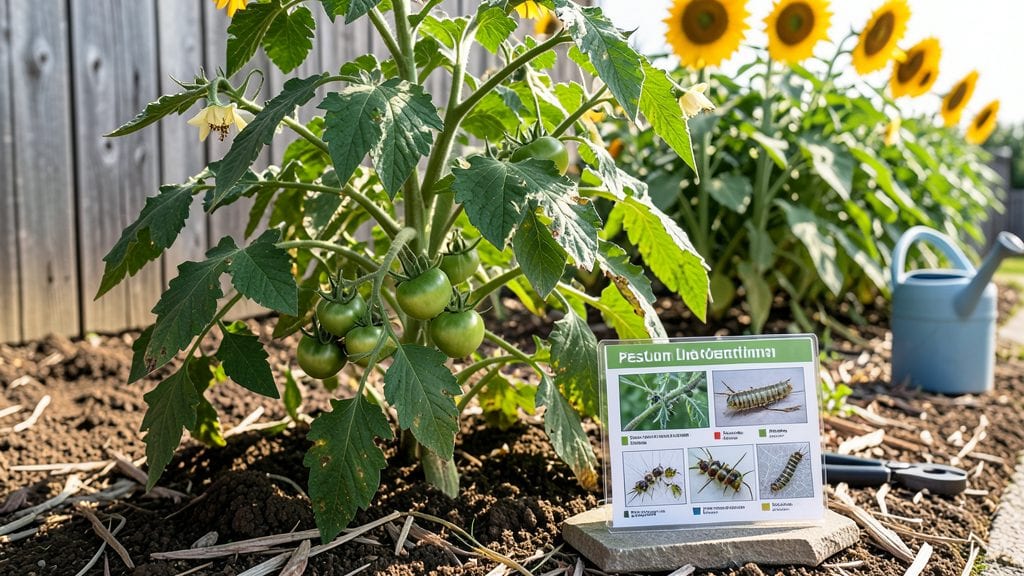
Identifying garden pests starts with knowing what to look for—because those tiny invaders leave clues if you know where to spot them. 🌿 I’ve spent years watching my plants for the first signs of trouble, and the difference between a healthy garden and a pest-ravaged one often comes down to catching those clues early.
Aphids cluster on new growth, caterpillars chew ragged edges in leaves, and slugs leave silvery trails at dawn—each one tells a story if you’re paying attention.
The key is simple tools you already have: a magnifying glass for close-ups, a flashlight for evening inspections, and a notebook to track what you find. Most pests show up in patterns—yellowing leaves, sticky residue, or holes in foliage—and once you recognize those patterns, you can act fast.
I’ve saved entire harvests by spotting Japanese beetles before they strip my roses, just by checking the undersides of leaves every few days.
What you’ll get from this guide is a clear way to tell pests apart without guesswork, plus organic fixes that work before problems spiral. No more wasting time on the wrong solutions—just targeted action that keeps your garden thriving.
The best part? Prevention is easier than you think once you know the signs.
Whether you’re dealing with chewers, suckers, or slimy visitors, this cheat sheet cuts through the confusion. Let’s get your garden back on track—starting with what’s really causing the damage.
The Root Causes Of Garden Invaders
Garden pests don’t just appear out of nowhere—they’re drawn to your plants by a mix of environmental factors, plant health, and even human habits. Understanding why these critters show up is the first step to stopping them before they cause damage. Let’s break down the science behind their unwelcome visits.
Pests thrive in gardens where plants are stressed or competing for resources. When plants are overcrowded, they become weaker, making them easier targets for insects and diseases. Here’s why:
- Reduced resilience: Stressed plants have lower nutrient levels, making their leaves and stems less tough. Soft, tender growth is a buffet for pests like aphids, spider mites, and caterpillars.
- Poor airflow: Crowded plants trap moisture, creating the perfect humid environment for fungal diseases (like powdery mildew) and pests that love dampness, such as slugs and snails.
- Nutrient competition: When plants fight for water and nutrients, some become malnourished. Weak roots and stems signal to pests that the plant is an easy meal.
Actionable fix: Prune regularly to improve airflow, thin out overcrowded areas, and ensure each plant has enough space to grow strong. Healthy plants naturally repel many pests!
Water is life—but too much of it turns your garden into a pest paradise. Many insects and organisms are attracted to moist, soggy conditions. Here’s how excess water plays a role:
- Fungal growth: Fungi like Phytophthora (which causes root rot) and Botrytis (gray mold) flourish in wet soil. These fungi often bring along their own pest allies, like nematodes or slugs.
- Slug & snail magnets: These slimy pests love damp, shaded areas. A garden with poor drainage becomes their all-you-can-eat buffet, especially at night.
- Soft soil = easy digging: Overwatered soil becomes mushy, making it simple for grubs, cutworms, and other burrowing pests to tunnel through roots and stems.
Actionable fix:
- Improve drainage by amending soil with compost or sand.
- Avoid overhead watering—use drip irrigation or soaker hoses to keep foliage dry.
- Mulch properly (but not too thick) to retain moisture without suffocating plants.
Just like us, plants need the right balance of nutrients to stay strong. When soil is deficient or overly rich in certain elements, it sends out distress signals—or attracts pests looking for a quick snack.
| Nutrient Issue | Pests/Diseases Attracted | Why It Happens |
|---|---|---|
| High nitrogen (lush but weak growth) | Aphids, whiteflies, spider mites | Fast, soft growth is irresistible to sap-sucking insects. |
| Low phosphorus (poor root development) | Root-knot nematodes, cutworms | Weak roots can’t fend off burrowing pests. |
| Compacted or anaerobic soil (low oxygen) | Fungal pathogens, wireworms, slugs | Lack of oxygen stresses plants, making them vulnerable. |
Actionable fix:
- Test your soil every 2–3 years and amend with compost or organic fertilizers.
- Avoid over-fertilizing—follow package instructions for your plant type.
- Rotate crops annually to prevent nutrient depletion in specific areas.
Sometimes, the problem isn’t the garden—it’s us. Unintentional gardening habits can create the perfect conditions for pests to move in. Here’s how:
- Bringing in infested plants: Purchasing or propagating plants with hidden pests (like scale insects or mealybugs) introduces problems before you even notice.
- Ignoring yard waste: Piles of leaves, grass clippings, or old wood provide shelter for pests like earwigs, pill bugs, and even rodents.
- Overusing pesticides: Chemicals can kill beneficial insects (like ladybugs or lacewings), leaving your plants defenseless against larger pest outbreaks.
- Poor sanitation: Leaving fallen fruit, overripe veggies, or spilled seed mixes attracts ants, weevils, and other scavengers.
Actionable fix:
- Inspect new plants thoroughly before bringing them home (quarantine them for a week if possible).
- Remove debris regularly and compost it properly (hot composting kills many pests).
- Use integrated pest management (IPM) to balance natural predators and minimal intervention.
- Clean tools and containers between uses to avoid spreading pests.
💡 Pro Tip: Keep a garden journal to track pest patterns. Note when outbreaks happen, what plants are affected, and what conditions (like rain or heatwaves) might have triggered them. This helps you predict—and prevent—future problems!
Quick Fixes for Garden Invaders
Once you’ve spotted the troublemakers wreaking havoc in your garden, it’s time to act! Below, we’ve mapped out practical, garden-friendly solutions for the most common pests—along with prevention tips to keep them from crashing your green party again.
Think of this as your DIY pest-control manual, with no fancy (or toxic) tools required.
Fix:
- Blast ‘em away 💦: Spray aphids off plants with a strong stream of water from your hose. Repeat every few days until they vanish.
- Soapy solution 🧼: Mix 1 tbsp mild dish soap + 1 quart water, spray directly on aphids (avoid flowers if possible).
- Ladybugs to the rescue 🐞: Release beneficial ladybugs (available at garden centers)—they love aphids for breakfast.
Prevent:
- Encourage predators 🌿: Plant marigolds, dill, or fennel nearby to attract aphid-eating insects.
- Neem oil spray 🌿: Apply neem oil (1 tsp per quart of water) weekly as a deterrent.
Fix:
- Beer traps 🍺: Bury a shallow dish filled with beer near plants—slugs are drawn in and drown. Refresh every 2–3 days.
- Copper barriers ⚡: Place copper tape around garden beds—slugs get a mild electric shock and avoid crossing.
- Handpick at night 🌙: Use a flashlight and tweezers to remove them (best done after rain when they’re active).
Prevent:
- Crushed eggshells or diatomaceous earth 🥚: Sprinkle around plants as a natural barrier.
- Remove hiding spots 🌿: Clear debris, boards, or dense mulch where slugs lurk.
Fix:
- Yellow sticky traps 🟡: Hang yellow cards coated in petroleum jelly near plants—they get stuck trying to land.
- Neem oil spray 🌿: Spray neem oil + water + a drop of dish soap directly on undersides of leaves (where they hide).
- Reflective mulch 🔆: Cover soil with aluminum foil or reflective plastic—whiteflies dislike the glare.
Prevent:
- Avoid over-fertilizing 🌱: Too much nitrogen attracts them. Use balanced fertilizer instead.
- Inspect new plants 🌿: Quarantine new additions for 1–2 weeks before introducing them to your garden.
Fix:
- Handpick & drown 💦: Drop beetles into soapy water (they’re slow and easy to catch).
- Milky spore treatment 🌱: Apply milky spore powder to soil—it targets grubs before they emerge (takes 2–3 years to fully work).
- Kaolin clay spray 🏺: Mix kaolin clay (Surround WP) with water and spray on leaves—it coats them and deters feeding.
Prevent:
- Plant traps 🌸: Grow rose bushes or grapes away from your garden—the beetles will go there first.
- Mow lawns short ⛏️: Japanese beetle grubs love tall grass; keep it trimmed.
Fix:
- Boric acid bait 🍞: Mix boric acid + sugar + water into a paste and place near trails—they’ll carry it back to the colony.
- Diatomaceous earth barrier 🌊: Sprinkle food-grade DE around entry points (reapply after rain).
- Vinegar spray 🍶: Spray equal parts vinegar + water on trails to disrupt their scent.
Prevent:
- Remove food sources 🍎: Pick up fallen fruit, store pet food indoors, and keep trash sealed.
- Cinnamon deterrent 🌿: Sprinkle ground cinnamon around plants—ants hate the smell.
Fix:
- Bacillus thuringiensis (Bt) spray 💉: A natural bacterial spray that kills caterpillars without harming other insects.
- Handpick & drop in soapy water 🧼: Check undersides of leaves daily and dispose of worms.
- Row covers 🛡️: Use floating row covers over brassicas to block egg-laying moths.
Prevent:
- Rotate crops 🌱: Avoid planting cabbage family veggies in the same spot yearly.
- Plant companion herbs 🌿: Mint, thyme, or dill repel cabbage moths.
- Healthy soil = happy plants 🌱: Strong plants resist pests better. Use compost and organic matter to boost immunity.
- Rotate solutions 🔄: Pests adapt—switch methods every few weeks to stay ahead.
- Early detection is key 👀: Check plants weekly (especially undersides of leaves) for early signs.
Remember: Most pests are just looking for a meal or shelter—if your garden’s thriving, they’ll move on. Prevention + quick action = a pest-free paradise! 🌿✨
Frequently asked questions
What’s the easiest way to tell if my plants have pests?
Look for three key signs: holes in leaves (chewers like caterpillars), sticky residue (aphids or whiteflies), and yellowing or curling leaves (sap-suckers or mites). Check undersides of leaves first—they’re prime hiding spots. A quick flashlight inspection at dusk often reveals slugs or beetles too.
Can I use the same solution for all garden pests?
No—different pests need different approaches. For example, neem oil works on aphids and whiteflies but won’t stop slugs. Always match the fix to the pest: handpick beetles, use beer traps for slugs, or spray soapy water for soft-bodied insects. Check our pest-specific solutions for exact methods.
How often should I inspect my garden for pests?
Check your plants 2–3 times per week during growing season (spring-fall), focusing on new growth and leaf undersides. After rain or extreme heat, pests become more active—inspect then too. A 10-minute daily walkthrough catches problems before they spread.
Will my garden recover if I’ve had a serious pest outbreak?
Yes, but it depends on how much damage occurred. If pests stripped leaves but didn’t kill roots, your plants can regrow. For severe cases, prune damaged areas, boost soil health with compost, and monitor closely. Some plants (like tomatoes) may need staking for support after heavy feeding.
Are there any pests I should ignore?
Most minor pests won’t harm healthy plants, but watch for aphids, Japanese beetles, and cabbage worms—they multiply fast. Ladybugs or lacewings? Leave them—they’re beneficial! Focus on pests causing visible damage (like skeletonized leaves or wilting).