
Vegetables
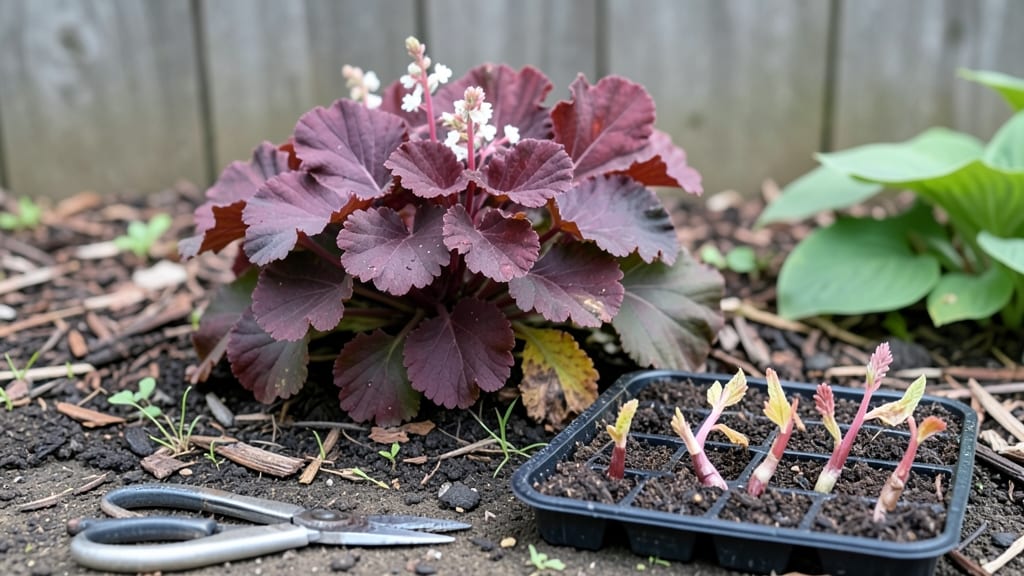
Purpose gardens exist to restore ecosystems by integrating native plants, pollinator habitats, and soil health into farming systems. They boost biodiversity, reduce erosion, and create natural pest barriers while providing food, medicine, and wildlife connections.
These gardens act as living ecosystems that regenerate degraded land while supporting agriculture. 🌱 By blending functional plants—like nitrogen-fixing clovers or deep-rooted comfrey—with pollinator-friendly flowers, they create self-sustaining cycles that cut chemical inputs.
I’ve seen firsthand how even small plots can stabilize soil, filter runoff, and attract beneficial insects that control pests naturally. The key is diversity: mixing herbs, shrubs, and perennials mimics natural habitats, making farms more resilient to climate shifts.
What sets them apart from traditional vegetable gardens is their dual role—producing harvests while healing the land. For example, planting milkweed near corn attracts monarch butterflies, which then pollinate squash plants.
This interconnected approach turns farming into a regenerative practice, not just production. The best part? Many native species require minimal maintenance once established, making them perfect for small-scale growers.
💡 In This Article
- How Purpose Gardens Enhance Soil and Biodiversity
- Designing a Functional Purpose Garden for Small Farms
How purpose gardens enhance soil and biodiversity
Purpose gardens transform soil health through a hidden underground network called mycorrhizal fungi. These microscopic partnerships connect plant roots, sharing nutrients like phosphorus and nitrogen while strengthening soil structure.
Studies show mycorrhizal networks can extend up to 10 feet underground, creating a web that improves water retention by 20-30% compared to monoculture systems. The fungi also break down organic matter faster, turning compost into plant-available nutrients within weeks rather than months. 🌱
Carbon sequestration happens when diverse plant roots channel more carbon into the soil through photosynthesis. A 1-acre purpose garden with native perennials can store 2-3 tons of carbon annually—far exceeding corn or soybean fields (which average 0.5 tons/acre/year).
The key is root depth: deep-rooted plants like comfrey or black locust create channels that hold carbon for decades. This process also reduces soil erosion by 70% by stabilizing particles with organic glues from fungal hyphae.
Pest regulation works through biodiversity's "dilution effect"—more species mean fewer outbreaks. A single 100-square-foot plot of native wildflowers can host 50+ insect species, including predatory wasps that eat 90% of tomato hornworms naturally. Birds like chickadees nest in shrubs, feasting on caterpillars that would otherwise destroy crops.
The contrast with monocultures is stark: chemical-dependent fields often see 50% more pest damage because they lack these ecological checks and balances. 🌿
Microhabitats thrive when gardens include structural diversity. A mix of grasses, shrubs, and trees creates layers where insects, amphibians, and small mammals find shelter. For example, bee balm flowers provide nectar while its hollow stems house solitary bees.
These microclimates maintain year-round activity, unlike the seasonal spikes seen in conventional farms. The result? Soil microbes remain active even in winter, continuously breaking down organic matter.
One surprising benefit is the reduction of soil-borne diseases. In monocultures, pathogens like Phytophthora thrive because they specialize in single crops. Purpose gardens disrupt this cycle by introducing plants with different immune responses.
For instance, garlic chives release sulfur compounds that inhibit fungal growth, while clover outcompetes weeds that harbor pests. This natural suppression often eliminates the need for fungicides entirely. 🌍
Consider this comparison: A 1-acre cornfield might require 5-10 pounds of synthetic nitrogen fertilizer annually, while a purpose garden with leguminous cover crops fixes 100-200 pounds of nitrogen naturally through root nodules.
The soil's microbial biomass increases by 3-5 times, creating a self-fertilizing ecosystem that cuts chemical costs by 70-90%. The trade-off? Initial planning takes more effort, but the long-term gains in resilience and productivity make it worth it.