
Vegetables
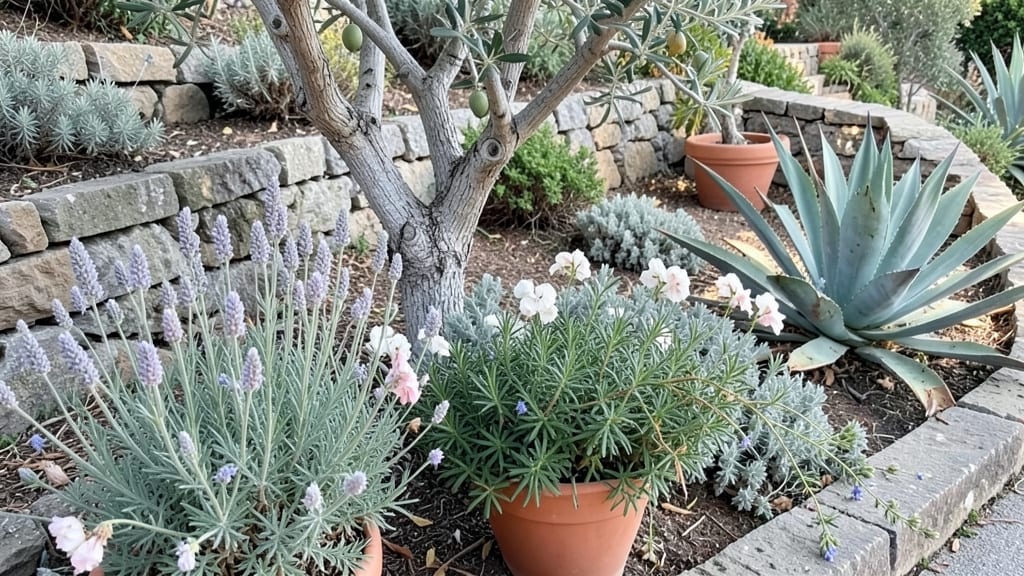
Gardens in Barcelona transform the city into a vibrant tapestry of green, featuring iconic spots like Jardins de Joan Brossa, where wildflowers and modern art merge seamlessly, and Parc de la Ciutadella, blending towering palm trees with historic monuments. These urban sanctuaries highlight drought-resistant Mediterranean plants—like rosemary, lavender, and olive trees—that thrive in Barcelona’s climate, while lesser-known gems such as Jardí Botànic de Barcelona preserve rare local flora for gardeners to emulate.
Barcelona’s gardens aren’t just scenic—they’re living classrooms for sustainable landscaping. 🌿 The city’s Mediterranean climate demands smart plant choices, and these green spaces prove how to make it work: rosemary and cistus plants flourish with minimal water, while olive trees and cypresses add structure without draining resources.
Many gardens also incorporate guerrilla gardening techniques, turning neglected urban corners into thriving pockets of greenery. For home gardeners, studying these spaces reveals how to adapt plants to similar climates—whether you’re in Southern California or the Mediterranean.
Beyond their beauty, these gardens offer practical lessons for urban dwellers. Jardí de les Dones, for example, showcases how to create lush spaces in tight quarters, while Clot de la Colomina demonstrates native plant pairings that attract pollinators.
Visitors often leave inspired to replicate these techniques at home—whether by planting drought-resistant herbs or designing small-scale Mediterranean-style gardens. The city’s green spaces prove that sustainability and aesthetics can go hand in hand.
💡 In This Article
- Barcelona’s Climate and Native Plants for Thriving Gardens
- How to Visit Barcelona’s Most Secretive Green Spaces
Barcelona’s climate and native plants for thriving gardens
Barcelona’s Mediterranean climate creates a unique challenge for gardening—hot, dry summers with temperatures often exceeding 90°F (32°C) and mild, wet winters. This environment demands plants that can withstand prolonged drought while still thriving in the city’s calcareous soil, which drains quickly but retains minimal moisture.
The key to success lies in selecting species with deep root systems and waxy leaves that reduce water loss, like rosemary and lavender, which have evolved to survive in similar conditions across Southern Europe. 🌡️
The city’s native flora, such as cistus (rockrose) and pistachio trees, have adapted to these conditions by developing small, leathery leaves that minimize evaporation. These plants often grow in maquis shrublands, a Mediterranean ecosystem that thrives on minimal rainfall—sometimes as little as 10 inches (250 mm) annually.
In urban gardens, you’ll also find olive trees, which can live for centuries with just seasonal watering, and aleppo pines, whose needle-like foliage conserves water efficiently.
The Jardí Botànic de Barcelona demonstrates these adaptations through curated collections, showing how plants like sage and thyme not only survive but flourish in these conditions.
Seasonal planting cycles in Barcelona reflect this climate’s rhythm. Spring (March-May) is the prime time for planting drought-resistant perennials, as cooler temperatures and occasional rain give young plants a head start. Summers (June-August) require minimal intervention—most established plants enter dormancy, conserving energy until autumn rains return.
Gardeners often focus on mulching with gravel or organic matter to retain moisture, while drip irrigation systems deliver water directly to roots, reducing waste. This approach mirrors techniques used in Parc de la Ciutadella, where palm trees and cypresses coexist with native species without competing for resources. 💧
Adapting non-native plants to Barcelona’s climate involves understanding their water needs and soil preferences. For example, bougainvillea, a popular ornamental plant, requires well-drained soil and can tolerate drought once established—but it needs protected root zones to prevent heat stress.
Local botanists recommend pairing it with ground covers like sedum, which shade the soil and retain moisture. Similarly, citrus trees, while not native, thrive in Barcelona’s mild winters if planted in sheltered microclimates or containers that can be moved indoors during occasional cold snaps (below 40°F/4°C).
The city’s gardens often use these hybrid approaches to expand plant diversity while maintaining sustainability.
Soil composition plays a critical role in plant survival. Barcelona’s calcareous, alkaline soil (pH 7.5-8.5) is rich in limestone, which improves drainage but can lock out essential nutrients like iron.
Native plants like rosemary and lavender have evolved to thrive in these conditions, but non-natives may need amendments like compost or organic matter to improve fertility. The Jardins de Joan Brossa exemplifies this balance, using a mix of native wildflowers and adapted species to create a low-maintenance, high-impact landscape.
Their success lies in mimicking natural ecosystems—layering plants by height, using drought-tolerant ground covers, and avoiding water-intensive grasses. 🌿
What most visitors don’t realize is how these gardens double as living laboratories for urban sustainability. Techniques like rainwater harvesting and permeable paving are increasingly integrated into Barcelona’s green spaces, reducing runoff and replenishing groundwater.
For home gardeners, the takeaway is simple: prioritize local, drought-resistant species, mimic natural layering, and embrace seasonal cycles. Whether you’re in Barcelona or a similar climate zone, these principles ensure your garden thrives—without the guilt of overwatering. ✨