
Diseases
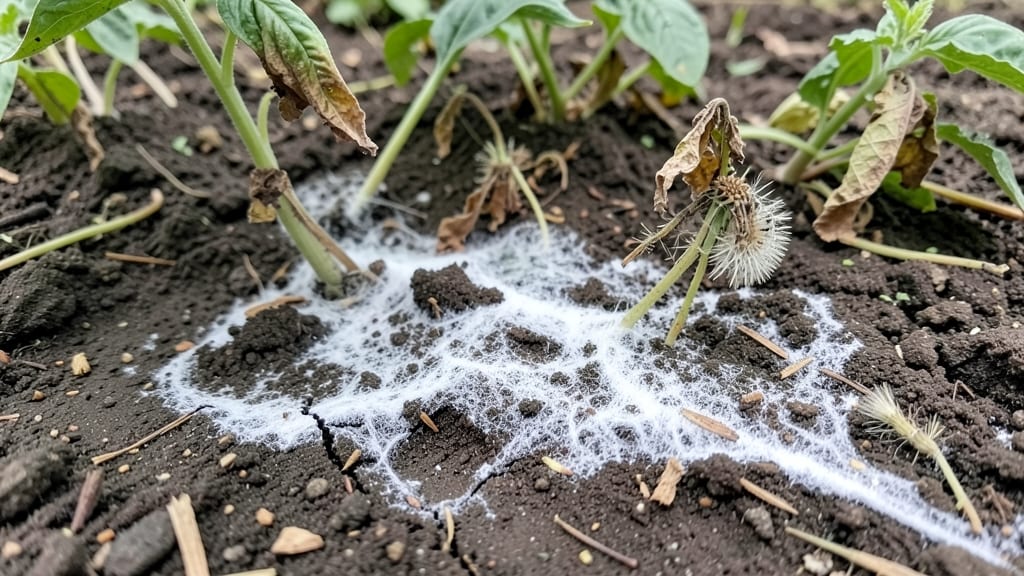
White mold creeping through your garden soil isn’t just unsightly—it’s stealing nutrients from your plants and weakening roots. I’ve battled this fuzzy invader in my own raised beds, and the key to stopping it starts with understanding what you’re really dealing with.
That white, powdery growth isn’t just dirt—it’s a fungal party that thrives on damp, crowded conditions.
The real culprits are usually poor drainage, overwatering, or too much organic matter breaking down all at once. My first season, I thought adding extra compost would help—until my soil turned into a moldy sponge.
The fix isn’t complicated, but it does require cutting back on water, improving airflow, and sometimes adding a little competition to starve out the fungus. Think of it like evicting squatters from your garden’s foundation.
You’ll see results within a few weeks if you act fast: healthier roots, fewer wilting plants, and soil that actually smells fresh instead of musty. The secret weapon? A mix of baking soda spray (for mild cases), sand or perlite (to break up compaction), and proper spacing between plants.
No harsh chemicals needed—just smart adjustments that keep your soil working for you, not against you.
This works for containers, raised beds, and in-ground gardens alike—just adjust the approach based on your setup. The goal is soil that stays dry enough to deter mold but moist enough to support growth. Let’s get your garden back to thriving, not just surviving.
Root Causes of Soil Fungal Growth
White mold in garden soil isn’t just an unsightly nuisance—it’s a sign your soil’s delicate balance is off. Understanding why this fungal overgrowth occurs is the first step to stopping it. The culprits often boil down to environmental conditions, organic matter mismanagement, or even your gardening habits.
Below, we break down the science behind each trigger so you can address the real problem.
🌡️ Warm, Damp Soil Conditions
Fungi like Sclerotinia and Botrytis thrive in warm, moist environments. When soil stays damp for extended periods—especially above 60°F (15°C)—spores germinate and spread rapidly. Here’s why:
- Poor drainage: Compacted or clay-heavy soil traps water, creating the perfect fungal breeding ground. Test your soil’s drainage by digging a hole, filling it with water, and timing how long it takes to drain. If it’s slower than 4 hours, your soil may be too dense.
- Overwatering: While plants need moisture, excess water suffocates soil microbes that naturally compete with fungi. A good rule of thumb: Water deeply once or twice a week (depending on climate) rather than daily shallow watering.
- Humidity + heat: Greenhouses, shaded areas, or tropical climates accelerate fungal growth. If your garden feels like a sauna, fungi will too.
Pro tip: 💡 Use a soil moisture meter to monitor dampness. Aim for soil that’s moist but not soggy—like a wrung-out sponge.
🍂 Excess Organic Matter Without Balance
Organic debris—like fallen leaves, grass clippings, or compost—feeds soil life, but too much can tip the scales toward fungal dominance. Here’s how:
- Decomposing plant matter: Fresh, nitrogen-poor organic material (e.g., cardboard, wood chips) breaks down slowly, creating acidic, anaerobic pockets where fungi outcompete beneficial bacteria.
- Over-composting in soil: Dumping large amounts of compost directly into garden beds can introduce fungal spores and imbalance the carbon-to-nitrogen (C:N) ratio, favoring mold over microbes.
- Weeds and diseased plants: Left-in-place weeds or plant debris harbor fungal spores. For example, tomato plants infected with early blight (Alternaria) can contaminate soil for years.
Action step: ✨ Before amending soil, screen compost to remove large chunks and mix it with finished compost or aged manure to balance nutrients.
🌱 Poor Soil Aeration & Microbial Imbalance
Healthy soil is a bustling ecosystem where bacteria, fungi, and beneficial microbes keep each other in check. When aeration suffers, harmful fungi take over:
- Compacted soil: Heavy foot traffic, machinery, or clay soil compresses particles, reducing oxygen flow. Fungi, which don’t need oxygen, dominate while aerobic bacteria suffocate.
- Lack of mycorrhizal fungi: These beneficial fungi form symbiotic relationships with plant roots. But if your soil is depleted (e.g., from synthetic fertilizers), harmful molds fill the void.
- Chemical disruptors: Overuse of fungicides or broad-spectrum pesticides kills all fungi—good and bad—leaving no natural competition for mold spores.
Fix it: 🔥 Loosen soil with a broadfork or add perlite, vermiculite, or coconut coir to improve aeration. For microbial balance, top-dress with worm castings or compost tea to reintroduce diversity.
🌧️ Seasonal & Climatic Triggers
Some conditions are out of your control, but knowing them helps you plan ahead:
| Season | Why It Happens | Solution |
|---|---|---|
| Spring | Cool, wet soil + decomposing winter mulch = fungal boom. | Remove old mulch, fluff soil, and wait until soil warms before planting. |
| Summer | Heat + irrigation = surface mold (e.g., Penicillium) on mulch. | Water at the base of plants in the morning to reduce evaporation. |
| Fall | Leaves and debris create a fungal blanket over soil. | Shred leaves and mix them into beds early to decompose safely. |
| Winter (Mild Climates) | Persistent dampness from snowmelt or rain. | Install raised beds or improve drainage with gypsum. |
Key insight: ⏰ The transition seasons (spring/fall) are peak risk periods—stay vigilant during these times.
By tackling these root causes, you’re not just treating white mold—you’re restoring your soil’s health. Next, we’ll explore how to outsmart fungi with targeted, eco-friendly solutions.
How to Treat & Prevent Fungal Growth
White mold in garden soil can feel like an unwelcome intruder, but with the right approach, you can restore balance and protect your plants. Below, we break down targeted solutions based on the most common causes—from excess moisture to poor airflow—plus preventive tips to keep your soil healthy long-term.
🔥 Fix Overwatering & Poor Drainage
If your soil stays soggy for too long, white mold thrives like an uninvited houseguest. Here’s how to kick it out:
💧 Adjust Your Watering Routine
- Water deeply but less frequently—aim for 1–1.5 inches per week (including rain).
- Water in the morning to allow foliage to dry before nightfall (mold loves damp darkness).
- Use drip irrigation or soaker hoses instead of overhead sprinklers to keep leaves dry.
🏗️ Improve Soil Drainage
- Amend heavy clay soil with compost, perlite, or coarse sand to boost aeration.
- Raise beds or mounds for plants that hate wet feet (like tomatoes or peppers).
- Check your drainage system: If water pools after rain, consider adding gravel or installing French drains.
🌡️ Mulch Strategically
- Use straw or pine needles (avoid thick layers of wood chips, which can trap moisture).
- Keep mulch 2–3 inches away from plant stems to prevent rot.
🍳 Boost Air Circulation & Spacing
Stagnant air = mold’s favorite hiding spot. Break up the coziness with these tweaks:
🌿 Prune & Space Plants Properly
- Thin out crowded plants—aim for 12–24 inches of space between leafy veggies (like lettuce or basil).
- Prune leggy or overgrown plants to improve airflow around the base.
- Avoid planting too deeply—roots need oxygen too!
💨 Use Fans for High-Risk Areas
- Place a small oscillating fan on low speed near susceptible plants (like impatiens or zucchini).
- A gentle breeze mimics natural airflow and deters fungal spores.
🌱 Rotate Crops Annually
- Avoid planting the same family (e.g., nightshades like tomatoes/peppers) in the same spot yearly.
- Fungal spores linger in soil—rotation starves them of their favorite hosts.
👨🍳 Apply Natural Fungicides & Soil Amendments
When prevention isn’t enough, these eco-friendly fixes can turn the tide:
🍄 Homemade Fungicide Sprays
| Ingredient | How to Use | Frequency |
|---|---|---|
| Baking soda | 1 tbsp baking soda + 1 tsp dish soap + 1 gallon water. Spray leaves (avoid flowers). | Every 7–10 days |
| Neem oil | 1 tbsp neem oil + 1 tsp mild soap + 1 quart water. Shake well before spraying. | Every 5–7 days (rotate with baking soda) |
| Hydrogen peroxide | 1 tbsp 3% H₂O₂ + 1 quart water. Spray soil and foliage. | Every 2 weeks |
| Copper fungicide | Follow label rates (organic options like copper soap are effective). | As needed (preventative or at first sign) |
⚠️ Pro Tip: Always spray in the early morning so plants dry quickly. Avoid neem oil if bees are active—wait until evening.
🌱 Soil-Friendly Amendments
- Add compost tea (brewed from worm castings or aged compost) to boost beneficial microbes.
- Sprinkle diatomaceous earth lightly on soil (food-grade only!) to disrupt fungal spores.
- Plant companion plants like marigolds, garlic, or thyme—they naturally repel mold and pests.
⏰ Long-Term Prevention Checklist
Stop mold before it starts with these proactive habits:
- 🌱 Test your soil (pH 6.0–7.0 is ideal for most veggies; adjust with lime or sulfur if needed).
- 🍂 Clean up debris—remove fallen leaves, plant waste, and old mulch after the season.
- 🌿 Sterilize tools—wipe pruners and shovels with rubbing alcohol between uses.
- 🌡️ Monitor humidity—aim for 40–60% in your garden (hygrometers help!).
- 🌱 Choose resistant varieties—opt for mold-tolerant plants like Swiss chard or arugula.
With these steps, you’ll not only eliminate existing white mold but also create a garden ecosystem where fungi stand no chance. 🌱✨ Your plants (and future harvests) will thank you!
Frequently asked questions
How do I tell if white mold is harmful to my plants?
White mold often appears as fuzzy growth on soil or plant stems, but it’s only harmful when it spreads rapidly or causes wilting. Look for powdery white patches on leaves or soil surface—if plants start yellowing or roots look mushy, act fast. Mild cases can be managed with airflow improvements, but severe infestations may require targeted treatments like baking soda sprays.
Can I still use soil with white mold for my plants?
Not if the mold is actively growing! Remove and replace contaminated topsoil at least 2 inches deep. For severe cases, sterilize the area with boiling water or vinegar before replanting. If the mold is dormant (dry and crusty), you can amend the soil with sand or perlite to improve aeration and break up the fungal environment.
Why does white mold keep coming back even after treatment?
Returning mold usually means the root cause (like poor drainage or overwatering) hasn’t been fixed. Check your watering routine—soil should dry within 24 hours after watering. Also verify airflow by spacing plants properly and adding a small fan if needed. Consider testing your soil’s microbial balance with compost tea or worm castings.
Are there plants that attract white mold more than others?
Yes! Leafy greens, tomatoes, peppers, and strawberries are especially prone to white mold due to their dense foliage and moisture-loving habits. For these plants, prioritize raised beds, mulch with straw (not wood chips), and avoid overhead watering. Choosing mold-resistant varieties can also make a big difference.
Is baking soda really effective against white mold?
A 1 tbsp baking soda + 1 tsp dish soap + 1 gallon water spray disrupts fungal growth by altering soil pH. Spray lightly on soil and foliage every 7–10 days until mold disappears. For best results, pair it with improved airflow and reduced watering. Always test on a small area first to avoid leaf burn!