
Pests and Diseases
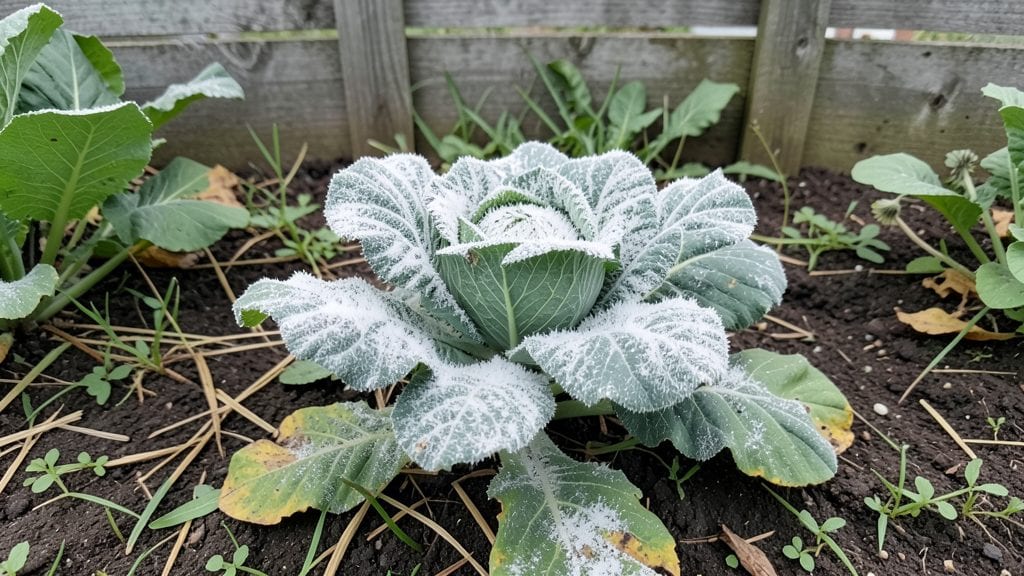
That white powdery film on your houseplants isn't just dust—it's white garden mold, and I've got the 3-day fix to save your leaves without harsh chemicals. 🌿 The moment I spotted fuzzy white patches on my fiddle-leaf fig, I knew it wasn't just dust or dirt—it was a fungal infection spreading fast, and my plants were about to suffer if I didn't act.
Most gardeners panic and reach for fungicides, but the real culprits are usually high humidity, crowded plants, or overwatering. I learned the hard way that skipping airflow and letting moisture linger creates the perfect mold party.
The good news? You can stop it in its tracks with simple adjustments—better spacing, targeted watering, and a few natural sprays that actually work.
By day three, you'll see crisp, clean leaves where there was once a white mess. The key is acting fast—once it spreads to stems, recovery gets trickier.
I'll show you how to scrub leaves, adjust your care routine, and even make a baking soda spray that kills mold without harming your plants. No more sad, wilting leaves covered in white gunk.
This works for houseplants, greenhouse setups, and even outdoor gardens—just adjust the humidity fixes. Let's get those leaves sparkling again without the chemical cleanup.
The Hidden Triggers Behind Fuzzy Growth
White mold isn’t just a random nuisance—it’s the result of specific conditions that create the perfect breeding ground for fungal spores. Understanding these triggers is the first step to stopping it in its tracks.
Below, we break down the four key causes of white mold in houseplants, complete with the science behind each one.
White mold thrives in warm, stagnant air with high humidity levels (typically above 60%). Here’s why:
- Fungal spores love moisture—they need water to germinate and spread. When humidity is high, spores in the air or soil stay active longer, increasing infection risk. - Poor airflow traps heat and moisture near plant leaves, creating a microclimate ideal for mold.
Think of it like a sauna for fungi! - Common culprits: - Overwatering (leading to soggy soil). - Grouping plants too closely without spacing. - Using plastic grow bags or non-porous pots that trap humidity.
💡 Pro Tip: Aim for 40–60% humidity in your plant’s environment. Use a hygrometer to monitor levels and consider a small fan to improve airflow.
White mold often starts as powdery mildew—a close cousin that forms on leaf surfaces. Here’s how it happens:
- Water droplets linger on leaves (from overhead watering or high humidity), creating a film that spores cling to.
- Poor leaf drainage (e.g., water pooling in leaf axils or between tightly packed foliage) accelerates growth.
- Symptoms to watch for:
- White, powdery patches on upper leaf surfaces (unlike downy mildew, which appears fuzzy and gray on undersides).
- Leaf yellowing or curling as the mold blocks sunlight.
✨ Fix It Fast: Water plants at the soil level (not overhead) and gently blot leaves dry after watering. For stubborn cases, wipe leaves with a neem oil solution (1 tsp neem oil + 1 quart water).
White mold in soil (often called "soil mold") is a sign of anaerobic conditions—when roots suffocate from too much water. Here’s the breakdown:
- Compacted or waterlogged soil cuts off oxygen, forcing roots to "drown." Fungi like Penicillium or Aspergillus (common white mold types) flourish in these low-oxygen zones. - Potting mix breakdown over time reduces drainage.
Cheap, peat-heavy soils compact faster, trapping moisture. - Root rot connection: White mold on soil can signal early-stage root rot, which weakens plants and makes them more susceptible to fungal infections.
🔥 Action Step: Repot in a well-draining mix (add perlite, orchid bark, or coco coir) and ensure pots have drainage holes. Let the top 1–2 inches of soil dry out between waterings.
White mold isn’t picky—it’ll grow on any decaying organic matter. Here’s how it spreads:
- Dead leaves, mulch, or old plant debris provide food and shelter for spores.
Even a single fallen leaf under a pot can become a mold hotspot. - Compost piles near houseplants can release spores into the air, landing on leaves or soil. - Infected tools or pots: Reusing containers or pruners without cleaning can transfer mold spores to healthy plants.
🎯 Prevention Tip: Remove all dead plant material from pots and surfaces. Sterilize tools with rubbing alcohol (70%+) between uses. For compost, keep it at least 3 feet away from houseplants.
🚨 Key Takeaway: White mold is a chain reaction—stop one trigger (like humidity or poor drainage), and you disrupt its life cycle. The good news? Fixing these issues stops new growth within 24–48 hours—no fungicides needed!
Quick Fixes for Fungal Growth
White garden mold—whether it’s fuzzy, powdery, or slimy—can feel like a stubborn houseguest that won’t leave. But with the right approach, you can banish it without harsh chemicals in just a few days. Below, we’ll match common causes to simple, effective fixes, plus tips to keep your plants mold-free long-term.
If your soil stays soggy, mold thrives in the damp, oxygen-deprived environment. Fix it fast: - 🔥 Step 1: Stop Watering Immediately Let the top 1–2 inches of soil dry out completely before watering again.
Stick your finger in the soil—if it’s damp past your first knuckle, wait. - 🍳 Step 2: Improve Drainage Mix in perlite, sand, or orchid bark (10–20%) to loosen compacted soil.
For potted plants, drill holes in the bottom if they’re missing. - 👨🍳 Step 3: Repot if Needed If roots look mushy or the soil smells foul, transfer your plant to fresh, well-draining potting mix. Trim any blackened roots with sterilized scissors.
💡 Pro Tip: Use a terracotta pot—it wicks away moisture faster than plastic. Plus, it’s reusable!
Mold loves moisture + stagnant air. Break the cycle with these tweaks: - 🌡️ Step 1: Increase Air Circulation Place a small fan on low near your plants (but not too close—avoid leaf burn).
Aim for gentle breezes to mimic outdoor conditions. - 🎯 Step 2: Reduce Humidity - For houseplants: Mist leaves only in the morning so they dry by evening. - For soil: Avoid saucers full of water—empty excess after watering. - For bathrooms/kitchens: Use a dehumidifier or open windows daily. - ✨ Step 3: Space Plants Apart Crowded foliage traps moisture.
Rearrange plants so they’re 2–3 inches apart for better airflow.
💡 Pro Tip: Wipe leaves with a damp (not soaking) microfiber cloth weekly to remove dust and improve air contact.
Decaying matter feeds mold spores. Clean up fast with these methods: - 🔪 Step 1: Remove Affected Areas - Leaves: Snip off yellowed or moldy leaves with sterilized pruners (wipe with rubbing alcohol between cuts). - Soil: Scoop out the top ½ inch of moldy soil and replace it with fresh mix. - 🧼 Step 2: Disinfect Surfaces Wipe down pots, trays, and tools with a 1:10 bleach-water solution (let air dry).
For natural cleaning, use hydrogen peroxide (3%) or vinegar spray. - 🌿 Step 3: Compost Carefully If you’re using compost, bury moldy scraps deep or compost them outdoors where sunlight and airflow can sterilize them.
💡 Pro Tip: Sprinkle food-grade diatomaceous earth (DE) lightly on soil—it’s a natural fungicide that dehydrates mold spores. Reapply after watering.
Mold spreads faster when temps swing between warm and cold. Stabilize the environment: - 🏡 Step 1: Keep It Consistent Aim for 65–75°F (18–24°C) during the day and no lower than 55°F (13°C) at night.
Avoid drafts from AC vents or heaters. - 🌿 Step 2: Move Plants Strategically - Cold drafts? Keep plants away from windows/doors in winter. - Hot spots? Avoid placing them near ovens or radiators. - 🌱 Step 3: Use a Heat Mat (For Cool Climates) For tropical plants, a self-regulating heat mat can prevent soil from chilling out overnight.
Once you’ve tackled the mold, lock in your wins with these habits:
- Water wisely: Only when the top inch of soil is dry (use a moisture meter if unsure).
- Pot smart: Choose pots with drainage holes and elevate them on feet or pebbles.
- Monitor humidity: Keep it below 60% with a hygrometer.
- Inspect regularly: Check leaves and soil weekly for early signs of mold.
- Rotate plants: Give them full-spectrum light by rotating weekly to prevent uneven growth.
🚀 Ready to reclaim your mold-free garden? Start with the fix that matches your plant’s biggest issue, then layer in prevention tips. Within 3 days, you’ll see a noticeable difference—and your plants will thank you!
Frequently asked questions about white fungal growth
Is white mold on plants always harmful?
Not all white growth is dangerous, but most is. Powdery mildew and fungal mold weaken plants by blocking sunlight and clogging pores. The safe exceptions? Lichen (crusty, slow-growing) or beneficial mycorrhizal fungi (thread-like, near roots). If it's fuzzy, powdery, or spreading fast, it's likely harmful. Always check the plant's health—wilting or yellowing leaves mean it's time to act.
Can I use vinegar to treat white mold on houseplants?
Yes, but dilute it properly! Mix 1 tablespoon white vinegar with 1 quart water and spray lightly on affected areas. Avoid over-saturating leaves, as vinegar can burn plant tissue. For stubborn cases, repeat every 3-4 days until the mold disappears. Test on a small leaf first to check for sensitivity.
Why does white mold keep coming back after I clean it?
If mold keeps reappearing, you're likely missing one of these key fixes: poor airflow, excess humidity, or ongoing moisture issues. Check your watering habits (soil should dry 1-2 inches deep between waterings), improve ventilation with a small fan, and ensure pots have drainage holes. Without addressing these root causes, mold will return within days.
Is baking soda spray safe for all plants?
Most houseplants tolerate baking soda spray (1 teaspoon baking soda + 1 quart water + few drops of dish soap), but avoid using it on acid-loving plants like azaleas, gardenias, or blueberries. For sensitive plants, try neem oil (1 tsp neem + 1 quart water) instead—it's gentler and just as effective against fungal growth. Always spot-test first.
How do I know if my white mold is powdery mildew vs. something else?
Powdery mildew appears as white, powdery patches on upper leaf surfaces, while other white growth might be: downy mildew (fuzzy gray on undersides), soil mold (fluffy white in potting mix), or algae (slimy greenish-white on moist surfaces). Check the location—leaves vs. soil—and growth pattern. Powdery mildew spreads slowly, while fungal molds grow aggressively in damp conditions.