Tools
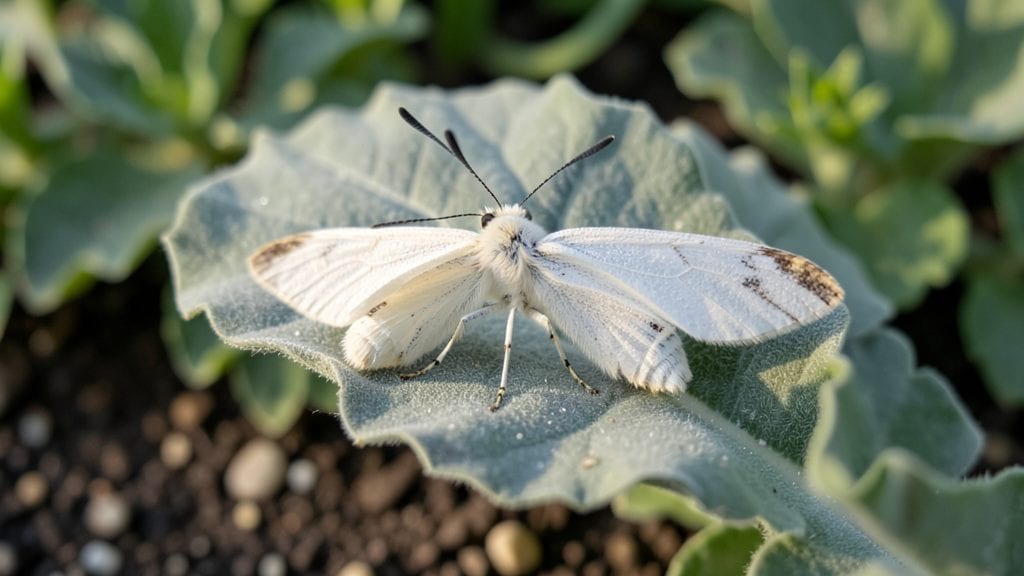
White garden insects like aphids, whiteflies, and mealybugs turn lush plants into sticky, wilting messes—unless you catch them early. 🌱 I’ve spent years testing humane traps and organic sprays that actually work, and the best part?
You won’t need harsh chemicals to save your garden. The key is acting fast before these tiny pests multiply into an unstoppable army.
These insects thrive on weak plants, so prevention starts with healthy soil and strong growth. Yellow sticky traps lure whiteflies, while soapy water sprays knock back aphids without harming bees.
For mealybugs, a cotton swab dipped in rubbing alcohol does the trick—no gloves required. The secret? Consistency and checking the undersides of leaves where they hide.
You’ll see results within days: fewer sticky residues, more vibrant foliage, and plants that bounce back faster. Roses, veggies, and citrus trees respond best to these methods, but the principles work for almost any garden. No more losing battles—just a few simple tools and a little patience.
Whether you’re dealing with a sudden outbreak or just want to stay ahead, these traps and techniques adapt to any season. The goal isn’t perfection—it’s keeping your garden thriving without the guesswork. Let’s get those pests under control the right way.
Root Causes Of Tiny White Invaders
White garden insects—whether they’re aphids, mealybugs, or even tiny moths—don’t just appear out of nowhere. Their presence is usually a sign of underlying conditions in your garden ecosystem. Understanding these triggers helps you address the problem at its source, not just chase them away with quick fixes.
Let’s break down the most common reasons these pests show up in your plants.
Healthy plants are naturally resistant to pests, but when they’re struggling, they become a buffet for white insects. Overcrowding reduces airflow, trapping moisture and creating the perfect humid environment that aphids and mealybugs love.
Additionally, stressed plants (from drought, poor soil, or nutrient deficiencies) produce weaker sap—an easy snack for hungry invaders.
Why it matters:
- Dense foliage blocks sunlight and air circulation, increasing humidity near leaves.
- Nutrient-deficient soil weakens plants, making them more attractive to pests.
- Root-bound plants (from overpotting or poor drainage) signal distress, signaling pests to feast.
Actionable fix: Prune regularly to improve airflow, test soil pH, and fertilize with balanced nutrients (like compost or slow-release granules).
White insects thrive in damp conditions. Mealybugs, for example, love the sticky, sugary residue (honeydew) they produce—moisture keeps this substance from drying out, creating a sticky trap for sooty mold and more pests. Overwatering, poor drainage, or even morning dew can turn your garden into an all-you-can-eat buffet.
Why it matters:
- Soggy soil invites fungal growth, which attracts whiteflies and fungus gnats.
- Poor drainage keeps roots waterlogged, stressing plants and weakening defenses.
- High humidity (like in greenhouses or shaded areas) slows plant recovery and encourages pest reproduction.
Actionable fix: Water deeply but infrequently, improve drainage with perlite or sand, and use fans in greenhouses to reduce humidity.
Even the most vigilant gardeners can unknowingly introduce white insects through new purchases or shared tools. Mealybugs often hide in the folds of leaves, while scale insects may latch onto the undersides of nursery plants. Contaminated pruners, pots, or even potting soil can also spread eggs or larvae.
Why it matters:
- Infested cuttings or seedlings bring pests directly into your garden.
- Reusing tools without sterilization transfers pests between plants.
- Untreated soil or compost may contain dormant eggs or larvae.
Actionable fix: Quarantine new plants for 2–4 weeks, inspect tools with rubbing alcohol, and sterilize pots in boiling water before reuse.
White insects don’t always win because they’re the strongest—they often dominate when their natural enemies (like ladybugs, lacewings, or parasitic wasps) are missing. Chemical pesticides can wipe out these beneficial insects, leaving your garden vulnerable to outbreaks.
Why it matters:
- Overuse of broad-spectrum pesticides disrupts the food chain, removing pest controls.
- Monoculture gardening (planting the same species repeatedly) reduces biodiversity, limiting predator habitats.
- Seasonal changes may temporarily reduce predator populations, giving pests a window to multiply.
Actionable fix: Encourage predators by planting companion flowers (like dill or marigolds), avoiding harsh chemicals, and providing water sources for beneficial insects.
Pro tip: 🔍 Inspect new plants under a magnifying glass—many infestations start small but grow rapidly if ignored. Early detection is your best defense!
Natural Ways to Outsmart Garden Pests
Finding white insects in your garden can feel like a losing battle, but with the right strategies, you can reclaim your plants without harsh chemicals. The key is understanding why they’re there and matching the solution to the pest.
Below, we break down common causes and actionable fixes—plus prevention tips to keep your garden thriving long-term.
Before reaching for sprays, confirm what you’re dealing with. Common white garden pests include:
- Aphids (soft-bodied, clustered on new growth)
- Mealybugs (fluffy white cotton-like masses)
- Whiteflies (tiny, moth-like insects that flutter when disturbed)
- Scale insects (stationary, waxy bumps on stems/leaves)
Pro Tip: 💡 Shake a branch over a white sheet—if tiny white moths fly up, it’s likely whiteflies. Use a magnifying glass for mealybugs or scale.
🔥 For Aphids: Soapy Water Spray
Cause: Overcrowded plants or weak foliage attract aphids. Solution:
- Mix a gentle soap spray: Combine 1 tbsp mild dish soap (like Castile) with 1 quart water in a spray bottle.
- Target clusters: Spray directly on aphids (avoid flowers to protect pollinators).
- Repeat every 3–4 days until gone.
- Encourage predators: Ladybugs and lacewings love aphids—plant marigolds or dill nearby.
Prevent Future Outbreaks: 🌡️ Prune overgrown plants to improve airflow and reduce hiding spots.
🍳 Mealybugs? Scrape and Trap
Cause: Dry conditions or sap-sucking damage create sticky residue, luring mealybugs. Solution:
- Manual removal: Use a cotton swab dipped in rubbing alcohol to dab individual bugs.
- DIY sticky traps: Spread petroleum jelly on cardboard and place near infested plants.
- Neem oil spray: Mix 1 tsp neem oil with 1 quart water + a drop of soap; spray weekly.
Pro Tip: ✨ Keep humidity balanced—mealybugs hate it when leaves stay dry!
👨🍳 Whiteflies? Yellow Sticky Traps
Cause: Warm weather and crowded plants attract these flying pests. Solution:
- Set traps early: Hang yellow sticky cards (available at garden centers) near affected plants.
- Blast with water: Use a strong hose stream to knock them off leaves (do this in the evening to avoid harming bees).
- Reflective mulch: Cover soil with aluminum foil or reflective plastic to disorient them.
Prevent Return Visits: 🎯 Space plants properly and avoid over-fertilizing with nitrogen.
⏰ Scale Insects? Oil and Scrubbing
Cause: Weak plants or poor drainage create stress, inviting scale. Solution:
- Horticultural oil: Apply dormant oil (like Safer Brand) in late fall or early spring to smother eggs.
- Scrub infested areas: Use a soft brush dipped in soapy water to remove visible scale.
- Prune heavily: Cut off severely infested branches and dispose of them in sealed bags.
Long-Term Fix: 🔪 Improve drainage and mulch with compost to strengthen plant health.
Keep white pests from moving in with these habits:
- Rotate crops to disrupt pest life cycles.
- Plant companion flowers like alyssum or basil to repel insects naturally.
- Inspect new plants before bringing them home (quarantine for a week if needed).
- Encourage beneficial insects with a small water source (a shallow dish with pebbles).
With these targeted approaches, your garden can stay lush and pest-free—without chemicals! 🌱 For stubborn infestations, combine methods (e.g., traps + neem oil) for faster results.
Frequently asked questions
What’s the fastest way to tell if tiny white bugs are harmful or beneficial?
Check their behavior: Harmful pests like aphids or mealybugs stay put and cluster on leaves, while beneficial insects (like ladybugs or lacewings) move quickly and have distinct markings. Look for damage—sticky residue or curled leaves mean pests are feeding.
Can I use coffee grounds to repel white garden insects?
Yes! Sprinkle used coffee grounds around plant bases—the strong scent repels many pests, including whiteflies and mealybugs. Just refresh every few days, as the smell fades. For stubborn infestations, combine with neem oil for better results.
Why do whiteflies keep coming back after I use sticky traps?
They’re drawn to warm, crowded plants and thrive in greenhouses or shaded areas. Increase airflow with fans, reduce humidity, and space plants wider. Traps work best when paired with reflective mulch or neem oil to disrupt their life cycle.
Are there any plants that naturally deter white insects?
Marigolds, basil, and alyssum repel pests with their strong scents. Plant these near vulnerable crops like tomatoes or peppers. Garlic and chives also act as natural deterrents—crush leaves occasionally for extra protection.
How often should I check for white insects if I don’t see any yet?
Inspect plants weekly during growing season, focusing on leaf undersides and new growth. Early detection prevents outbreaks. Use a magnifying glass for tiny pests like scale or mealybugs—catching them early saves time and stress!