Pests and Diseases
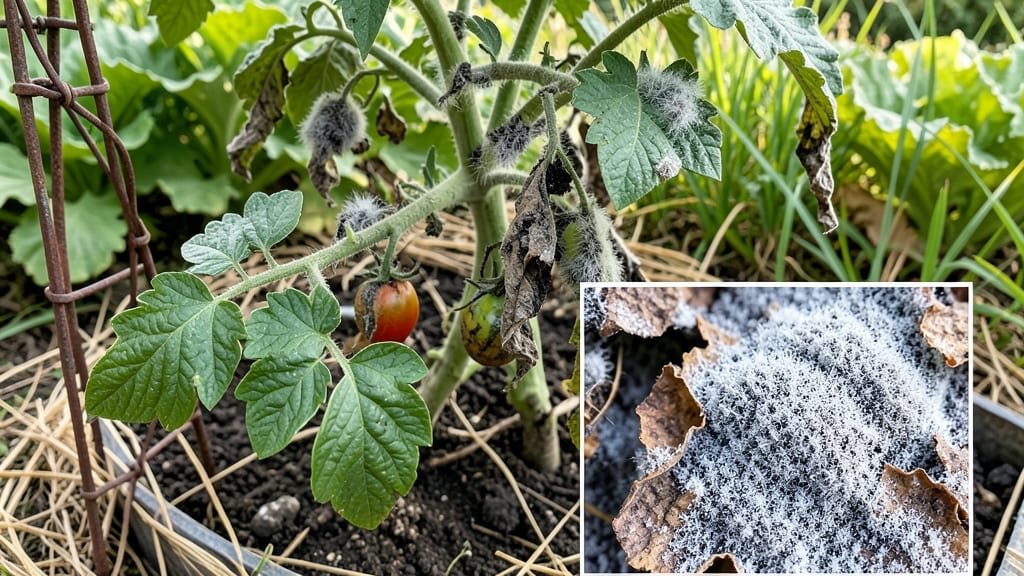
When garden soil has white fungus, it’s typically harmless powdery mildew or mold caused by excess moisture, though it may indicate drainage issues or overwatering. Remove it by scraping, boost airflow, and cut back on irrigation to stop its spread while keeping roots thriving.
That white fungal growth on your soil isn’t always dangerous—powdery mildew and mold thrive in damp conditions but rarely harm plants directly. 🌱 The real concern is what it reveals about your soil’s health: poor aeration, compacted layers, or inconsistent watering.
I’ve seen cases where simply adding coarse sand or perlite to improve drainage eliminated the problem within weeks. For stubborn cases, a light application of hydrogen peroxide (3%) can kill spores without harming beneficial microbes.
What’s critical is acting before the fungus spreads to plant stems or leaves. Even "harmless" varieties can weaken roots over time by competing for nutrients. Test your soil’s moisture retention—if it stays soggy more than 24 hours after watering, that’s your first clue to adjust your irrigation schedule.
A quick fix is to loosen the top 2 inches of soil with a fork to encourage airflow, which often stops new growth within a few days.
💡 In This Article
- Identifying White Fungus in Garden Soil Types
- Safe Removal and Soil Restoration Methods
Identifying white fungus in garden soil types
White fungal growth in garden soil typically falls into three categories: powdery mildew, mold, or beneficial mycelium. Powdery mildew appears as a fine, chalky white coating that resembles dust, often found on soil surfaces or plant stems.
Mold, on the other hand, presents as fuzzy or cottony patches that can range from white to grayish, usually thriving in damp, organic-rich soil. Beneficial mycelium, the thread-like network of fungi, looks like delicate white strands and plays a crucial role in breaking down organic matter.
The key difference lies in their texture—powdery mildew feels dry and powdery, while mold feels slightly damp and fuzzy. 🌱
Soil conditions play a massive role in which type of fungus grows. Powdery mildew and mold flourish in moist environments with poor airflow, often appearing when soil moisture levels exceed 20-30% for prolonged periods.
The ideal pH range for most fungal growth is between 5.0 and 8.0, with neutral to slightly acidic soils (6.0-7.0) being particularly conducive. Organic matter, like decomposed leaves or compost, provides the nutrients these fungi need to thrive.
In contrast, beneficial mycelium thrives in well-aerated, slightly acidic soil with a pH around 5.5-6.5, where it helps decompose organic material and improve soil structure.
Visually, powdery mildew often looks like a light dusting of flour on the soil surface, while mold appears as patchy, irregular clusters that can spread quickly. Beneficial mycelium, however, forms a web-like structure that resembles fine white threads.
The impact on roots varies: powdery mildew and mold can smother roots by blocking oxygen and nutrients, while beneficial mycelium enhances root health by forming symbiotic relationships with plants. If you notice roots looking stunted or discolored, it’s often a sign that harmful fungi are present. 🌿
To differentiate between these types, examine the texture and growth pattern closely. Powdery mildew tends to spread uniformly across surfaces, while mold grows in irregular patches. Beneficial mycelium usually appears as a delicate, web-like network rather than a thick coating.
If the fungus is confined to the soil surface and doesn’t spread to plants, it’s less likely to be harmful. However, if it’s spreading rapidly or affecting plant health, it’s time to take action.
Testing your soil’s moisture content with a simple moisture meter can help determine if the issue is related to overwatering or poor drainage.
Another clue is the smell. Harmful fungi often emit a musty or earthy odor, while beneficial mycelium typically has a neutral or slightly sweet scent. If you detect a strong, unpleasant smell, it’s a red flag that the fungus is likely detrimental to your plants.
Pay attention to how the soil feels—if it’s compacted or waterlogged, it’s a breeding ground for harmful fungi. Loosening the soil with a garden fork can improve aeration and reduce the risk of fungal growth. 💫
Understanding these distinctions helps you decide whether to remove the fungus or let it be. Beneficial mycelium is a sign of healthy soil ecology, while powdery mildew and mold indicate conditions that need adjustment. Regularly checking soil moisture and ensuring proper drainage can prevent most fungal issues before they start.
If you’re unsure, a small sample sent to a local extension office for testing can provide clarity on whether the fungus is harmful or beneficial. 🌟