Tools
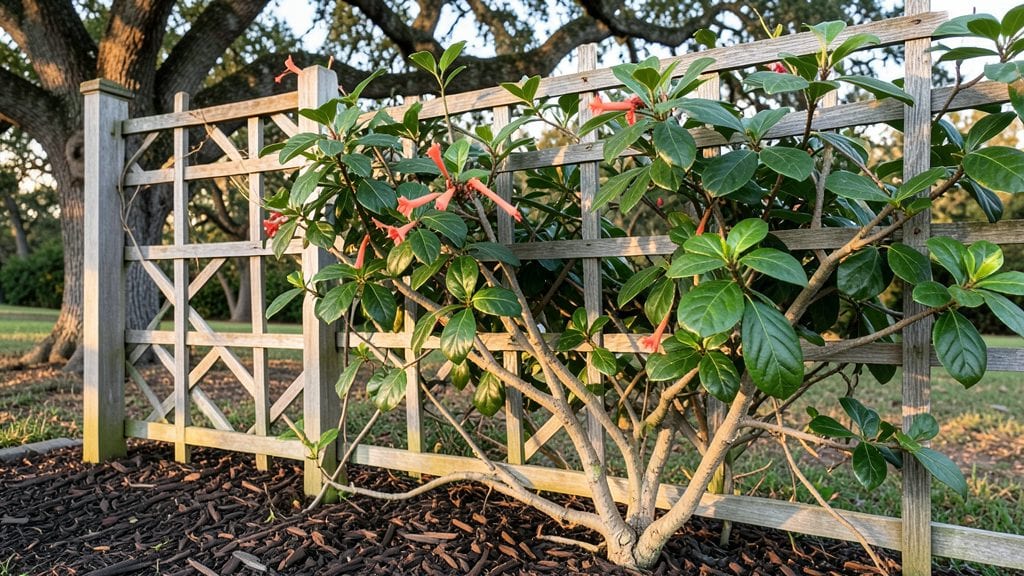
Garden enclosure plans create protective barriers that shield plants from pests, harsh weather, and unwanted visitors while enhancing your yard’s privacy and organization. Opt for durable materials like cedar, wrought iron, or fast-growing shrubs, and prioritize airflow, sunlight exposure, and easy maintenance access to keep your garden thriving.
Creating a custom garden enclosure isn’t just about aesthetics—it’s a strategic move to safeguard your plants while boosting your outdoor space’s functionality. 🌿 The right design can deter deer, rabbits, and even neighborhood cats while filtering sunlight just enough to prevent overheating sensitive crops.
I’ve seen cedar enclosures last over a decade with minimal upkeep, while metal options offer sleek security for high-value gardens. For those who prefer organic solutions, bamboo or willow fencing blends seamlessly with nature while providing sturdy protection.
Beyond materials, smart placement matters just as much. A north-facing enclosure, for example, keeps summer sun off heat-sensitive veggies, while a south-facing design maximizes winter sunlight for evergreens.
Pro tip: Add a small vented door to deter pests without sacrificing airflow—this simple tweak can make the difference between a thriving garden and one struggling with mildew or root rot.
💡 In This Article
- Materials and Design Factors for Durable Garden Enclosures
- Step-by-Step Guide to Building a Functional Garden Enclosure
Materials and design factors for durable garden enclosures
The material you choose for your garden enclosure isn't just about looks—it directly affects how well your plants grow and how long the structure lasts.
Cedar, for example, naturally resists rot and insects due to its high oil content, making it ideal for humid climates where other woods like pine would warp within 3-5 years.
Metal options like wrought iron offer unmatched durability (lasting 20+ years with proper coating) but require 10-15% more upfront investment than wood. Vinyl, while low-maintenance, struggles in extreme temperatures—it can crack below -10°F or become brittle in direct sunlight without UV protection.
Design factors like height and gate placement create microclimates that either help or hinder plant health. A 4-5 foot tall enclosure blocks deer but still allows beneficial pollinators through, while 6+ foot walls create cooler, more humid conditions perfect for tropical plants but may suffocate heat-sensitive herbs.
Gate placement matters too: hinges on the north side prevent sun glare from warping wood over time, while a 36-inch wide gate ensures wheelbarrows fit through without damaging plants. The science here involves airflow dynamics—poor ventilation can raise soil temperatures by 5-10°F, stressing roots.
Natural barriers like bamboo or willow fencing offer the added benefit of self-repairing—when damaged, they regrow from their base. However, they require 2-3 years to reach full height, making them better for long-term planning than immediate solutions.
For urban gardens, composite materials (50% wood fiber, 50% recycled plastic) provide the look of wood without the maintenance, though they cost $3-$5 per linear foot more.
The key is matching your material to your climate: in coastal areas, treated lumber with copper azole preservatives lasts 15+ years against salt air corrosion.
Structural considerations often get overlooked, but they're critical. For instance, post depth matters—driving supports 18-24 inches below frost line prevents seasonal shifting that could crack panels. In windy areas, triangular bracing (like in A-frame designs) reduces sway by 40% compared to square frames.
Even the color of your enclosure affects plant growth: dark brown or black materials absorb heat, creating 10°F hotter microclimates than lighter cedar or white vinyl. This heat difference can mean the difference between thriving tomatoes and wilted basil.
For those balancing aesthetics with function, semi-transparent materials like polycarbonate panels (with 80% light transmission) filter sunlight while maintaining visibility. These cost $8-$12 per square foot but pay off by reducing the need for supplemental lighting in shaded areas. The trade-off?
They don't provide the same pest deterrence as solid barriers—so combine them with 1-inch mesh at the base to block burrowing rodents. This layered approach is how professional garden designers create enclosures that work as hard as they look.
What most people don't realize is how material weight affects foundation needs. A 6-foot metal fence requires concrete footings every 4-6 feet, while lightweight bamboo needs stakes only 3 feet apart. This weight difference can double your labor costs if you don't plan accordingly.
Always calculate your structure's total weight (including snow load in winter climates) before choosing materials—this simple step prevents costly mid-project adjustments. 💫