
Picking
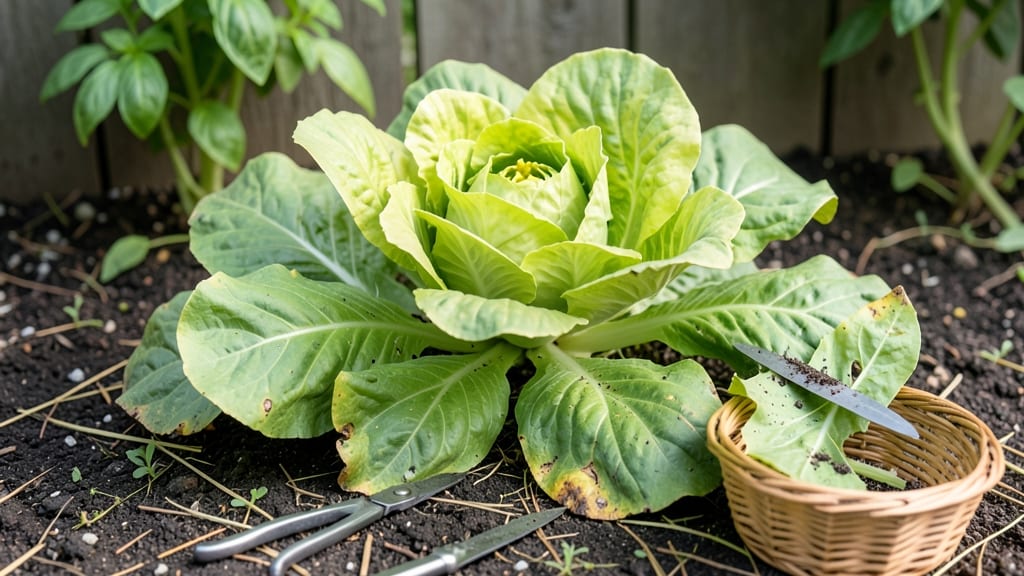
Picking lettuce from garden is best when leaves reach 4-6 inches tall and form a compact rosette, typically 30-50 days after planting, before bolting or bitterness develops. Harvest outer leaves first for continuous yield or pick entire heads at once for full maturity.
Timing your harvest right keeps your lettuce tender and flavorful. 🌱 Once the leaves hit that 4-6 inch mark and form a tight rosette, they're primed for picking—just don't wait too long, or the heat will trigger bolting, turning your crisp greens into bitter, seed-filled stalks.
I've learned that varieties like romaine bolt faster in summer heat, while buttercrunch holds up better in cooler seasons, so always check your specific type's growing days and local climate patterns.
There's a big difference between harvesting loose-leaf varieties and full heads. For loose-leaf, I snip the outer leaves first, letting the inner ones keep growing—this gives me a steady supply for weeks.
But for romaine or iceberg, I pull the whole head when mature, as cutting too early can stunt growth or leave the center loose and unappetizing.
A sharp pair of scissors or clean hands works best, and storing harvested lettuce in a damp paper towel-lined container keeps it crisp for 5-7 days in the fridge.
💡 In This Article
- Lettuce Growth Stages and Bolting Prevention
- Harvesting Techniques for Different Lettuce Types
Lettuce growth stages and bolting prevention
Lettuce bolts when exposed to prolonged heat (above 75°F) or long daylight hours, triggering a hormonal shift that redirects energy from leaf growth to flower production. This process is driven by the plant's photoperiodism—its response to daylight length.
For example, romaine lettuce, a cool-season crop, may bolt in just 12-14 hours of daylight, while butterhead varieties tolerate slightly longer days. The key is monitoring your local climate: summer heat waves can force bolting in as few as 7-10 days after temperature spikes.
Visual cues for ideal harvest timing include leaf size (aim for 4-6 inches wide) and color—deep green with a slight gloss indicates peak freshness.
However, if leaves start turning yellow at the edges or develop a slightly bitter taste, it's a sign the plant is stressed, often from heat or drought. The texture also changes: crisp leaves become slightly tougher as they mature, and the center rosette should remain tight and compact.
What most gardeners miss is that loose-leaf varieties like oakleaf show readiness by developing 3-5 mature outer leaves, while head lettuce forms a firm, closed head.
Variety selection makes a huge difference in your harvest window. Heat-tolerant types like 'Jericho' romaine or 'Black Seeded Simpson' can handle 80-85°F temperatures better than traditional iceberg, which bolts quickly in summer.
The science here involves vernalization—some varieties need cold exposure to delay bolting, while others are bred for heat resistance. For example, 'Summer Crisp' butterhead matures in 45-50 days and resists bolting better than older varieties in warm climates.
Planting succession crops every 2-3 weeks ensures a continuous harvest before heat sets in.
Bolting isn't just about taste—it's a survival mechanism. When lettuce senses stress (like high temperatures or drought), it produces more ethylene gas, accelerating flower formation. This is why your lettuce might go from crisp to bitter in just 3-5 days during a heatwave.
The flowers themselves are edible but have a strong, peppery flavor, and the seeds can make leaves tough. To prevent this, use shade cloth (30-50% coverage) to reduce temperatures by 10-15°F and mulch to retain soil moisture. Drip irrigation in the morning also helps maintain consistent soil moisture levels.
Here's what's actually happening at the cellular level: bolting triggers the plant to convert starches into sugars for flower production, reducing leaf quality. The bitterness comes from increased levels of phenolic compounds, which develop as a defense mechanism against stress.
For example, a 10°F temperature drop can delay bolting by 7-10 days in sensitive varieties. This is why late summer plantings often fail—day lengths exceed the 12-14 hour threshold that triggers bolting in most lettuce types. 🌡️
For gardeners in warm climates, consider these strategies: plant bolting-resistant varieties like 'Fordhook' romaine or 'Salad Bowl' butterhead, which have longer maturity times (60-70 days). Succession planting in partial shade (under trees or trellises) can extend your harvest by 3-4 weeks compared to full-sun beds.
And remember: the earlier you harvest, the longer your lettuce stays tender. Even a 1-inch delay in picking can reduce quality, especially in high heat.