
Tools
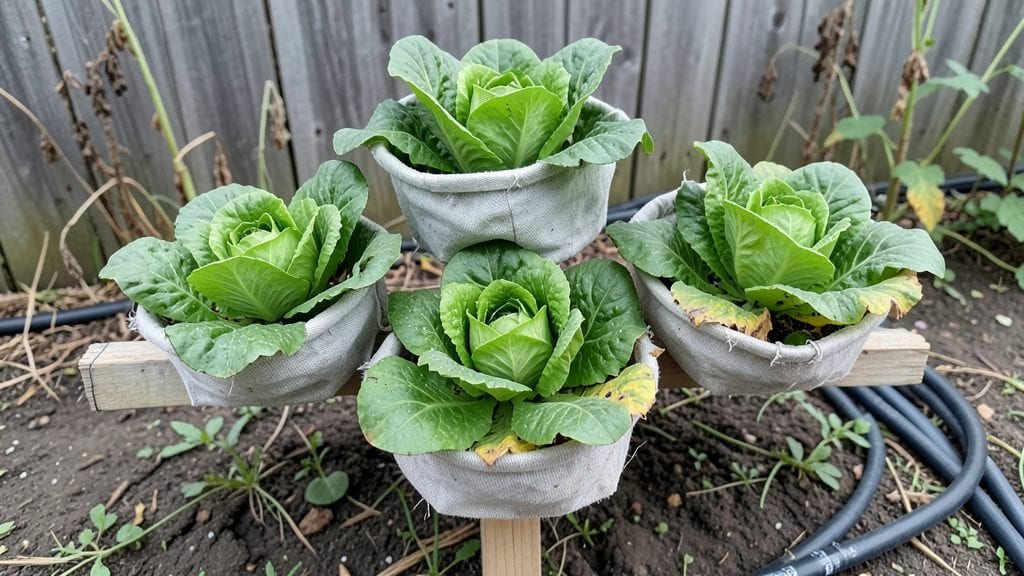
A vertical lettuce garden turns even the tiniest balcony into a leafy green powerhouse—no sprawling rows needed. I designed mine last spring after my patio table became a salad bar, and the difference was shocking: crisp romaine and butter lettuce growing where a potted basil used to live.
The key isn’t just saving space; it’s growing more lettuce than you’d get in a traditional bed while keeping it within arm’s reach.
You’ll need a sturdy vertical planter (I use a 4-foot fabric pocket system), fast-draining soil mix, and a drip irrigation kit to keep roots happy without drowning them. Lettuce thrives in partial shade, so even north-facing spots work—just avoid scorching afternoon sun.
Pair it with herbs like cilantro or chives to fill gaps and deter pests naturally. The first harvest comes in 3-4 weeks, and with proper care, you’ll get two full crops before summer heat slows things down.
Picture crisp butter lettuce, tender baby greens, and even red leaf varieties all within 2 square feet of space. The vertical setup keeps leaves clean (no soil splatter on your salad) and makes harvesting effortless—just snip what you need.
Plus, the sight of fresh greens growing vertically turns heads at neighborhood barbecues. Ready to grow more lettuce with less ground? Let’s build this.
Works for apartments, small yards, or even indoors near bright windows. The same system grows spinach, kale, and microgreens too—just adjust watering and spacing. Here’s how to set it up without overcomplicating things.
📚 In This Guide
- What you need
- Instructions
- Tips and common mistakes
- Wrapping up and next steps
What you need
- ● Vertical Planter: A pre-made vertical garden kit (e.g., wall-mounted pockets, tiered shelves, or a DIY frame with fabric pockets) or a repurposed item like a wooden pallet, shoebox, or hanging planter.
- ● Growing Medium: 1–2 bags of high-quality potting mix (sterilized, well-draining; ~10–20 lbs depending on size).
- ○ Coco coir or peat moss (optional, for moisture retention).
- ● Lettuce Seeds or Seedlings: Butterhead, romaine, or leaf lettuce seeds (~50–100 seeds for a small garden) or
- ● 6–12 young seedlings (transplanted for faster harvest).
- ● Watering System: A spray bottle (for gentle watering) or
- ● A drip irrigation kit (for larger setups).
- ● Fertilizer: Balanced, water-soluble fertilizer (e.g., 10-10-10 or organic fish emulsion).
- ● Tools: Small hand trowel or spoon.
- ● Pruning shears (for harvesting).
- ● LED grow lights (if indoors with low natural light).
- ● Self-watering reservoir (for travel or busy schedules).
- ● Organic mulch (e.g., straw) to retain moisture.
- ● Label markers (to track varieties).
Instructions for building a vertical lettuce garden
A vertical lettuce garden maximizes small spaces while keeping your greens within easy reach. Here's how to create a productive system that yields fresh leaves in just a few weeks.
Assemble the Vertical Structure
Start by attaching the wooden frame together using the screws provided. I like to build mine against a sturdy fence or wall—this keeps the structure stable even when fully planted. Make sure the slats are spaced 4-6 inches apart vertically; this spacing gives lettuce roots room to grow while keeping leaves from touching neighboring rows.
Double-check that the bottom of the frame sits on a flat, level surface or is securely fastened to prevent wobbling. If you're mounting it vertically, use the L-brackets to anchor it to the wall at both the top and bottom. A slight lean forward (about 5 degrees) helps water run off instead of pooling at the base.
Prepare and Install the Growing Medium
Fill each pocket of the frame with the 3 gallons of lightweight potting mix, pressing it gently to remove air pockets but avoiding compaction. I like to mix in ½ cup of compost per gallon of potting mix for extra nutrients—this ensures your lettuce gets a strong start without overpowering the soil.
Moisten the mix thoroughly with 1 gallon of water until it's damp but not soggy. You'll know it's right when water runs out the bottom without leaving puddles. If your frame doesn't have drainage holes, add a 1-inch layer of gravel at the bottom before filling with soil to prevent waterlogging.
Plant Lettuce Seeds or Transplants
For seeds, scatter 1 teaspoon of lettuce seeds evenly across each pocket, then lightly cover with ¼ inch of additional potting mix. Press down gently to secure the seeds—this prevents them from washing away during watering. If using transplants, space them 6 inches apart in each pocket to allow room for growth.
Water immediately after planting, using a gentle spray to avoid disturbing the seeds or seedlings. Keep the soil consistently moist but never waterlogged—lettuce roots rot quickly in soggy conditions. A 1-inch-deep watering every 2-3 days works well, adjusting for your climate and sunlight exposure.
Position for Optimal Light and Care
Place your vertical garden in a location that receives 4-6 hours of sunlight daily. A south-facing spot is ideal, but lettuce can tolerate partial shade—just expect slower growth. If indoors, supplement with a grow light kept 6-12 inches above the plants for 12-14 hours per day.
Fertilize lightly every 2 weeks with the ½ cup of balanced liquid fertilizer diluted to half strength. Avoid over-fertilizing—lettuce thrives in lean soil and can develop bitter flavors if overfed. Watch for pests like aphids; if you spot them, spray with 1 quart of neem oil solution to keep them at bay.
Harvest and Maintain for Continuous Yields
Start harvesting outer leaves when they reach 3-4 inches in length, using clean scissors to cut just above a leaf node. This encourages the plant to regrow, giving you multiple harvests per season. For butterhead or romaine varieties, you can harvest the entire head once it's fully formed, leaving the base to resprout for a second crop.
To keep your vertical garden productive, replace harvested plants with new seedlings every 4-6 weeks. This staggered planting ensures a steady supply of fresh lettuce. If leaves turn bitter, it’s often a sign of stress—check for adequate water and shade during hot afternoons to keep the greens tender and sweet.
Tips & tricks for perfect vertical lettuce garden
Building a vertical lettuce garden is all about maximizing space and ensuring your greens thrive. Here are my go-to tips to help you avoid common pitfalls and get the most out of your setup.
Structure Stability: When assembling your frame in Step 1, I can't stress enough how important it is to secure those L-brackets properly. I've seen too many gardens wobble and topple when fully planted. For extra stability, add a third bracket in the center if your frame is particularly tall. This prevents any shifting that could damage your lettuce roots as they grow.
Soil Preparation: In Step 2, don't skip the compost mixing—it makes all the difference. I like to add an extra ¼ cup of worm castings to each gallon of potting mix for even better nutrient density. When pressing the soil into the pockets, aim for a firm but not compacted texture—you should be able to push your finger in about an inch without resistance. This balance ensures proper drainage while holding enough moisture for your lettuce.
Watering Strategy: The 1-inch-deep watering every 2-3 days in Step 3 works well, but I've found that morning watering prevents evaporation issues. If you notice water beading on the leaves, you're overwatering—lettuce prefers consistently moist soil, not soggy conditions. For indoor setups, consider using a moisture meter to track soil dampness between waterings, especially when using grow lights.
Light Optimization: When positioning your garden in Step 4, remember that lettuce can actually get too much sun during peak summer hours. If your garden is in full sun, provide afternoon shade during hot months to prevent bolting. For indoor setups, position grow lights so they're slightly off-center to encourage even growth—lettuce tends to grow toward the light source.
Pro Tips for Vertical Lettuce Garden
- Building a vertical lettuce garden is all about maximizing space and ensuring your greens thrive.
- Structure Stability: When assembling your frame in Step 1, I can't stress enough how important it is to secure those L-brackets properly.
- Soil Preparation: In Step 2, don't skip the compost mixing—it makes all the difference.
Frequently asked questions
Can I grow vertical lettuce indoors without sunlight?
Yes! Use a grow light (LED or fluorescent) for 12–16 hours daily. Place it 6–12 inches above your lettuce. Leafy greens like butterhead or romaine thrive under artificial light—just ensure the light is full-spectrum for optimal growth.
How long does it take for vertical lettuce to harvest?
Most varieties are ready in 3–5 weeks from seed! Cut-and-come-again types (like loose-leaf lettuce) can be harvested in as little as 4 weeks. For larger heads (like romaine), wait 6–8 weeks. Check the seed packet for exact timelines!
What’s the best watering schedule for a vertical lettuce garden?
Keep soil consistently moist but not soggy. Water when the top inch feels dry—typically every 2–3 days (or daily in hot climates). Self-watering systems or wicking beds help maintain even moisture. Overwatering is the #1 killer of vertical lettuce!
Can I reuse the same vertical garden for multiple lettuce harvests?
After harvesting, trim leaves to 1–2 inches above the soil. New growth will sprout in 1–2 weeks. For long-term reuse, rotate crops (e.g., lettuce → herbs → spinach) to prevent soil depletion. Sterilize the system yearly with a 10% bleach solution (rinse well!).
What if my vertical lettuce turns bitter or bolted?
Bitter taste? Your lettuce is stressed—check for heat stress (move to cooler spots) or lack of water. Bolting (premature flowering) happens in hot weather or long daylight. Try shade cloth or heat-tolerant varieties like ‘Black Seeded Simpson.’ Harvest outer leaves first to slow bolting.
Wrapping up and next steps
A vertical lettuce garden isn’t just about saving space—it’s about reclaiming your green thumb, even in tiny corners! Whether you’re a busy urban dweller or a gardening newbie, this project proves that fresh, crisp lettuce is just minutes away from a wall in your home.
The key? Start small, stay consistent, and watch your harvest grow—literally.
Ready to dive in? Grab your materials, pick a spot, and let your creativity (and lettuce!) flourish. 🌱 Next up: Build your garden today—your future salads will thank you!