Picking
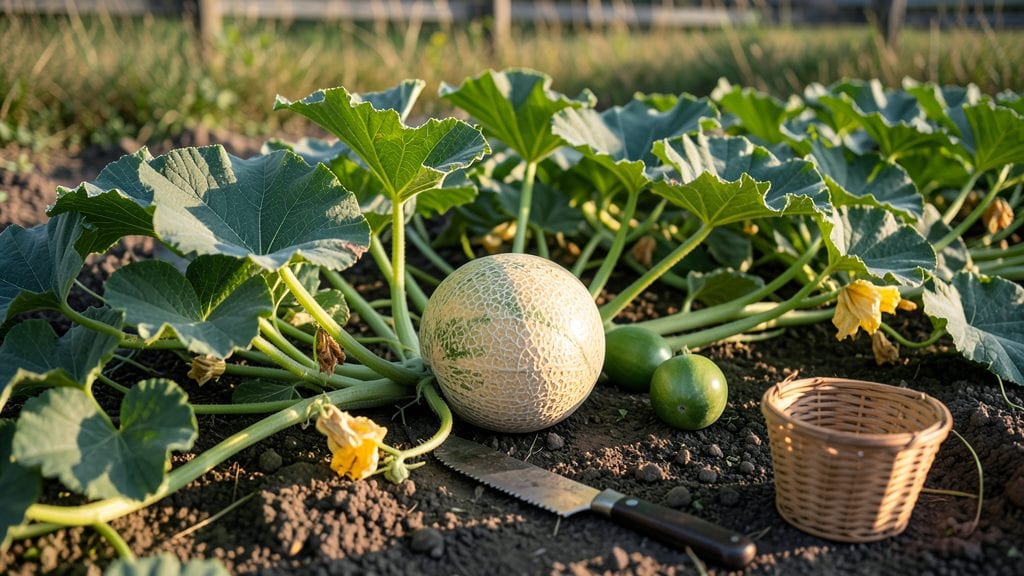
Harvesting cantaloupe at the right moment turns your garden’s 🍈 labor into sweet, juicy rewards.
Picking cantaloupe too early means bland, mealy flesh, while waiting too long can turn it rubbery—both mistakes happen more often than you’d think. The key is catching those three dead-giveaway signs that your melon is primed for harvest.
From the creamy shift in rind color to the telltale aroma near the stem, these cues don’t lie. Even the way the melon feels in your hand or sounds when tapped gives you a clear answer. Miss them, and you’ll end up with fruit that’s either underripe or overripe.
Below, I’ll walk you through the exact methods I use to nail the perfect harvest—no guesswork, just foolproof techniques that work for gardeners in Zone 6a and beyond.


3 Visual and physical signs your cantaloupe is ready to harvest
Harvesting cantaloupe at the perfect moment transforms your garden labor into sweet, juicy rewards. Unlike some fruits that ripen off the vine, cantaloupes must be picked at peak ripeness for maximum flavor and texture.
The key lies in three unmistakable visual and physical cues that tell you—without guessing—when to pluck them from the vine. Ignoring these signs often leads to underripe melons that lack sweetness or overripe ones turning mushy.
Many gardeners wait too long, hoping for even more ripening, only to end up with fermented or pulp-filled cantaloupes. The good news? These three indicators—rind color, stem separation, and aroma—are foolproof when combined.
Mastering them ensures you’ll never miss the window again. Let’s break down each clue so you can confidently harvest your cantaloupe the moment it’s ready to eat.
Look for a dull, creamy yellow or tan hue with a net-like pattern on the surface. Avoid green spots—these signal underripe fruit. The blossom end (opposite the stem) should also lighten.
Gently twist the fruit stem—it should slip free with minimal force. If it resists, the cantaloupe needs more time. A dry, brownish stem at the base is another green light.
Sniff the area where the stem meets the fruit. A powerful, sweet fragrance (like honeydew or muskmelon) confirms ripeness. If it smells neutral or fermented, wait or harvest another melon.
Let’s start with the most obvious clue: the rind color. When cantaloupes are ready, their skin transitions from dull green to a creamy yellow or tan, often with a distinct net-like pattern. This change happens near the blossom end (the side opposite the stem) first.
Pro tip: Avoid picking if you see green patches—these areas stay hard and tasteless. The rind should also feel slightly tough when pressed; if it dents easily, it’s not ripe yet.
Next, focus on the stem separation test, a game-changer for accuracy. Grab the cantaloupe’s stem and give it a gentle twist. If it slips free with little effort, your melon is ready. This happens because the stem naturally detaches as sugars concentrate.
A stubborn stem means more time on the vine. Bonus: Check the stem base—it should look dry and slightly brown, not green or moist.
The third sign—aroma—is often overlooked but critical. Take a deep sniff near the stem attachment. A ripe cantaloupe emits a sweet, musky scent, almost like a mix of honey and melon.
If it smells weak or fermented, the fruit is past its prime. This scent develops as sugars peak, so trust your nose! Combine all three clues for foolproof results.
Regional variations can tweak these signs slightly. In hotter climates, cantaloupes may ripen faster, so check daily. In cooler areas, they might take longer—watch for morning frost warnings to avoid missing the harvest window.
Always prioritize the stem slip and aroma over color alone, as some varieties stay slightly green even when ripe.
Timing matters beyond just flavor—overripe cantaloupes develop soft spots and seedy pulp, while underripe ones taste bland and firm. The 70-90 day window from planting to harvest is your guide, but these visual cues are your final authority.
Once you master them, you’ll never second-guess when to harvest again.
Pro move: Harvest in the morning when temperatures are coolest. This preserves freshness and makes transport easier. Store ripe cantaloupes at room temperature (not the fridge) for up to a week, or refrigerate to extend shelf life. Now, grab your gloves and head to the garden—your sweetest cantaloupe is waiting!
🍈
How to test cantaloupe ripeness beyond the rind: the thumb and tapping trick
When visual cues like rind color or stem separation aren’t clear, don’t panic—there are two foolproof techniques to test cantaloupe ripeness. The thumb pressure test and tapping method reveal what’s happening inside the fruit, even if the outside looks deceiving.
These tricks work especially well in shady patches or when melons ripen unevenly due to temperature fluctuations.
Start with the blossom end check, the small, round end where the melon attached to the vine. Gently press your thumbnail into the rind here—if it resists slightly (like pressing a ripe avocado), the cantaloupe is ready.
If the skin dents easily, it’s still firming up. This test works because the blossom end thickens first as sugars develop.
🌱 Pro Tip: When to Harvest Cantaloupe from Garden
Harvest cantaloupe in the morning after the dew has dried to avoid spreading disease. Use a sharp knife or pruners to cut the stem, leaving a 1-inch stem attached—this helps the melon ripen evenly if stored.
The tapping trick is my favorite for confirming ripeness. Hold the cantaloupe with one hand and tap the side gently with your knuckles. A ripe cantaloupe will sound hollow or dull, like knocking on a wooden door.
If it sounds solid or high-pitched, it’s not ready yet. This works because the flesh separates from the rind as it ripens, creating air pockets.
For extra precision, combine both tests. A cantaloupe that resists thumbnail pressure at the blossom end and sounds hollow when tapped is 100% ripe. This two-step method eliminates guesswork, especially for heirloom varieties or melons grown in container gardens where environmental stress can delay ripening.
If your cantaloupe passes both tests but still looks underripe visually, let it sit in a cool, dry place (like a garage shelf) for 2–3 days.
The sugars will continue developing, but don’t overdo it—melons overripe quickly and turn mushy. Check daily using the tapping method to catch the perfect moment.
Remember, cantaloupes won’t ripen further once picked, so don’t wait too long. The thumb and tapping trick gives you a second chance to salvage melons that look questionable. With these techniques, you’ll never waste another underripe or overripe cantaloupe again! 🍈