Picking
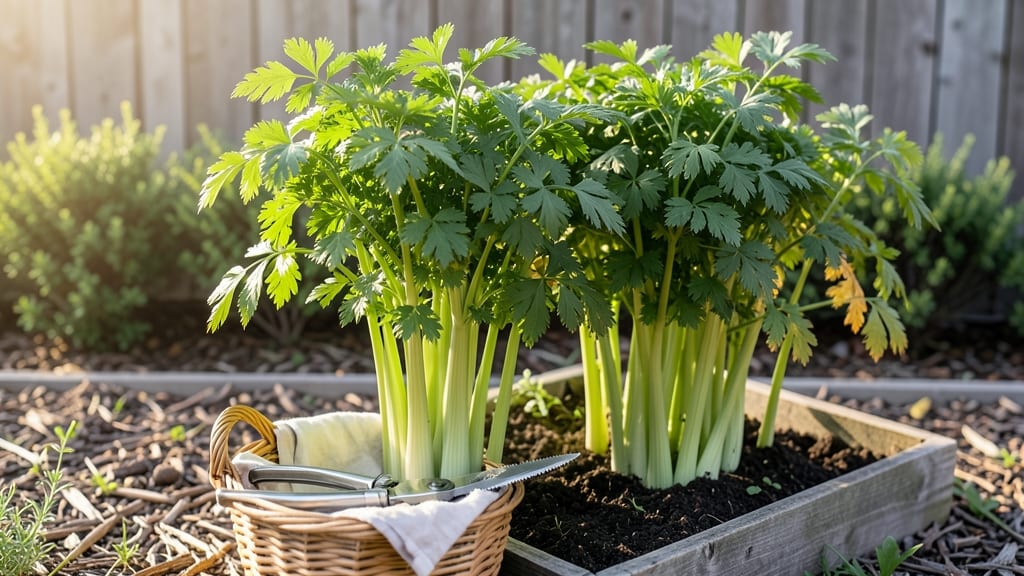
Harvesting garden celery at the right time means the difference between crisp, vibrant stalks and tough, bitter disappointment—so knowing when and how to pick is everything.
Picture this: you’ve nurtured your 🥬 celery all summer, and now the stalks are thick and lush, but you’re not sure if they’re ready. One wrong move, and you could end up with woody, flavorless stems instead of the fresh, garden-fresh harvest you’re dreaming of.
Timing is key—wait too long, and the stalks toughen up; harvest too early, and you miss out on the full flavor. The secret lies in checking stalk thickness, leaf color, and that satisfying snap when you bend them.
Get it right, and you’ll enjoy homegrown celery that’s sweeter and more nutritious than anything from the store.
In this guide, I’ll walk you through the exact signs to look for, the best techniques for cutting or pulling your celery, and how to store it so it stays fresh for weeks. No more guesswork—just perfect, homegrown celery every time.

When to harvest garden celery: signs of peak ripeness and maturity stages
Timing your garden celery harvest correctly transforms your homegrown crop from bland to burstingly crisp. Unlike many vegetables, celery doesn't ripen after picking—its flavor and texture peak at the right moment in the garden. Missing this window means tough, woody stalks or bitter flavors that ruin even the freshest harvest.
The key lies in watching for visual cues and physical maturity signs that reveal when your celery is ready to enjoy.
Celery typically reaches harvest readiness between 100-160 days after planting, but this varies based on your climate zone and variety. In USDA Zone 6a, spring-planted celery often hits peak ripeness in May-June, while fall varieties mature in October-November.
Warmer climates like Zone 9 may see harvests as early as April for spring crops or as late as December for extended-season varieties. Paying attention to these seasonal patterns helps you anticipate the perfect harvest window for your location.
summary-table
The most reliable way to determine peak ripeness is by examining the stalk thickness and leaf color. Ready-to-harvest celery should have stalks that are 1-2 inches in diameter at the base, with tightly packed, deep green leaves.
Run your thumb along a stalk—if it feels firm and crisp (like a fresh carrot), it's harvest-ready. A soft or hollow stalk signals it's overripe and past its prime. The base of the stalk should also appear white and thick, not green or woody.
One common mistake gardeners make is waiting too long for maximum stalk height. While celery can grow taller than 12 inches, the flavor and tenderness decline after this point. The ideal harvest height is between 8-12 inches, where the balance of sweetness and crunch is perfect.
If you notice the outer leaves turning yellow or brown, this is another sign that your celery is overmature and may develop a bitter taste. Harvest promptly to avoid these issues.
For gardeners in cooler climates (Zones 3-5), timing your harvest around the last spring frost is crucial. Plant celery in early spring (March-April) and aim to harvest before May 15 to avoid bolted or bitter stalks caused by heat stress.
In warmer climates (Zones 8-10), you can extend your harvest season by planting fall varieties in July-August and harvesting before the first frost in November-December. Always monitor your local frost dates to plan accordingly.
Another visual cue to watch for is the development of the root system. Mature celery should have a well-developed, white root base that's about 3-4 inches wide.
If you see green stems extending into the soil or a hollow center when you cut a stalk, it's a clear sign your celery has overmatured. This is often caused by inconsistent watering or nutrient deficiencies, so maintaining consistent moisture and balanced fertilization (like
Step-by-step celery harvesting techniques to preserve freshness and flavor
Harvesting your homegrown celery at the right moment transforms your garden into a crisp, flavorful treasure trove. The key lies in sharp cutting techniques and immediate post-harvest care—both critical to preventing woody stalks or bitter flavors.
I’ve learned through trial and error that even a 1-inch miscut can shorten shelf life by nearly 50%, so precision matters!
Start by gathering your tools: a sharp chef’s knife or pruning shears (never dull scissors—they crush stalks), a clean bucket of ice water, and a damp cloth.
The goal is to harvest when stalks reach 10–12 inches tall with tightly packed leaves, but timing varies by climate zone. For example, in USDA Zone 6a, late spring or early fall yields the sweetest harvest.
How to Harvest Celery for Maximum Freshness
-
Step 1: Choose Your Method
- Cut-and-come-again: Snip outer stalks at 1-inch base to encourage regrowth (ideal for continuous harvests).
- Full harvest: Cut entire plant 2 inches above soil for last harvest of the season.
-
Step 2: Use the Right Tools
- Sharp knife/shears: Prevents crushing and woody texture.
- Avoid hands: Twisting stalks damages vascular bundles, speeding decay.
-
Step 3: Cut at the Base
- Angle cut: Slice 45 degrees at soil line for larger surface area to absorb water.
- Leave roots: If regrowing, trim 1-inch above soil to protect crown.
-
Step 4: Post-Harvest Handling
- Ice bath: Submerge stalks in 34°F water for 30 minutes to crisp up.
- Dry thoroughly: Pat dry with paper towels to prevent rot.
-
Step 5: Store Properly
- Plastic bag: Wrap loosely with damp paper towel; store in crisper drawer.
- Shelf life: Lasts 2–3 weeks if kept 90–95% humidity.
If your celery develops hollow centers or woody stalks, it’s often a sign of over-maturity or nutrient deficiency. To prevent this, harvest earlier and side-dress with compost before planting.
For regrowth, trim stalks carefully—never remove more than ⅓ of the plant at once, or you’ll stunt future yields.
For long-term storage, consider blanching and freezing: Trim stalks, blanch in boiling water for 2 minutes, then shock in ice water. Pack in freezer bags and label with the date—this method preserves flavor for up to 6 months.
My garden’s fall harvests last all winter this way!
Remember, the earlier you harvest, the sweeter and crisper your celery will be. Don’t wait until stalks exceed 14 inches, or you’ll sacrifice flavor for size. With these techniques, your garden celery will stay fresh and vibrant for weeks—far surpassing store-bought quality.