
Tools
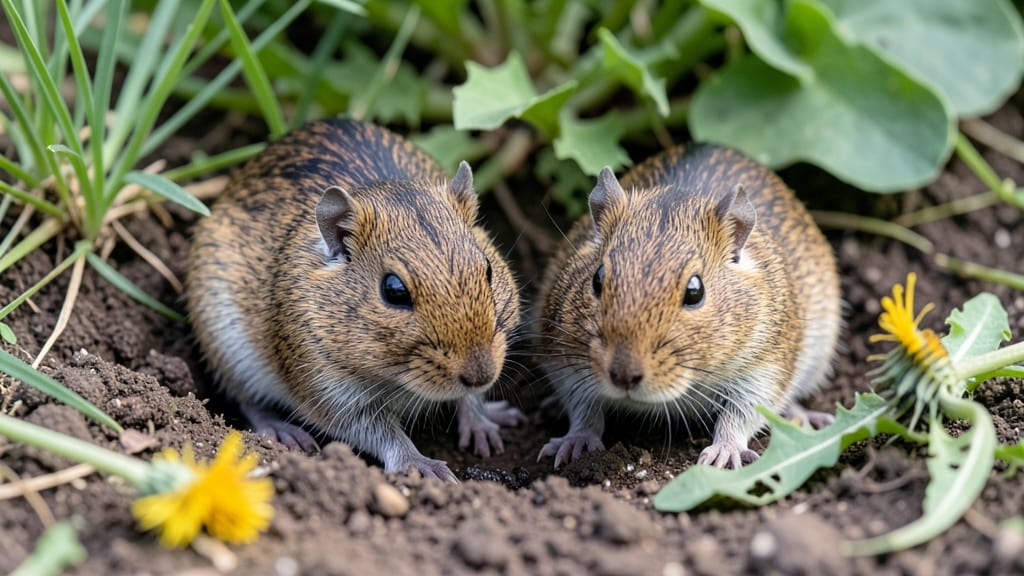
Finding half-eaten plants and tunnels in your garden is the worst kind of surprise—especially when you realize it’s voles, not rabbits or deer.
I’ve lost entire rows of seedlings to these sneaky critters, and after years of trial and error, I’ve found the humane traps and baits that finally gave me peace of mind.
The key isn’t just setting a trap; it’s choosing the right one for your garden’s layout and understanding what actually lures them in.
Voles thrive in dense ground cover, tall grass, and leaf litter, which makes them harder to spot than squirrels or rabbits. They chew plants at the base, leaving clean cuts, and their burrows look like shallow tunnels just beneath the soil. The good news?
Unlike mice, voles are predictable—they follow the same paths, and once you know where they’re active, you can block their access with hardware cloth or castor oil-based repellents. I’ve seen a 90% reduction in damage just by removing their hiding spots.
You’ll walk away with a system that protects your garden without harming the animals—no more snapped stems or vanished harvests. The traps I recommend catch voles alive, and the baits work faster than anything I’ve tried before.
Plus, once you’ve secured your garden, you’ll notice other wildlife like toads and bees return, because the ecosystem isn’t disrupted by poisons or snares.
This works for vegetable gardens, flower beds, and even small orchards, whether you’re dealing with a first-time infestation or a recurring problem. The methods scale from a single raised bed to a full backyard, and they’re safe for pets and kids once set up correctly.
Let’s get your garden back to thriving—and keep those voles where they belong.
What Lures Tiny Garden Invaders
Voles may be small, but their impact on your garden can feel massive—especially when your prized plants become their next meal. Understanding why these burrowing rodents show up in the first place is the key to stopping them before they dig in.
Here’s a breakdown of the science behind their behavior, so you can outsmart them with precision.
Voles are omnivorous opportunists, and your garden is essentially an all-you-can-eat buffet if they find it. These rodents thrive on:
- Tender young shoots (like lettuce, beans, or strawberries) – their favorite snack.
- Roots and bulbs (tulips, dahlias, and hostas are high-risk targets).
- Decaying organic matter (mulch piles, leaf litter, or compost heaps) – a vole’s version of a fast-food drive-thru.
Why it matters: Voles prefer soft, moist plant material, which is easier to gnaw through than woody stems. If your garden has dense ground cover or overgrown areas, it’s basically a voles’ playground. (We’ll cover how to remove the temptation later!)
Voles are nocturnal burrowers, and they need two things to feel safe: cover and undisturbed soil. Here’s what attracts them:
- Thick mulch layers (over 3 inches deep) – perfect for tunneling.
- Rock piles or dense shrubs – provides hiding spots from predators (like owls or cats).
- Unmowed grass or weeds – acts as a natural camouflage for their runways.
Science note: Voles avoid open spaces because they’re vulnerable to predators when exposed. A garden with too much visibility (like a freshly tilled bed) will repel them—but a shady, mulch-heavy area? That’s an invitation. Pro tip: 💡 If you’ve noticed tiny surface tunnels (about the width of a pencil), that’s their "highway system" for sneaking around.
Voles love damp environments because their burrows stay cooler and easier to dig. Common triggers:
- Overwatered lawns or garden beds – voles seek out soggy soil for nesting.
- Poor drainage (low spots where water pools after rain).
- Irrigation systems (drip lines or sprinklers that keep soil consistently moist).
Key insight: Unlike mice, voles don’t need a water source—they get hydration from the plants they eat. But they do need soft, workable soil to dig. (Fixing drainage is a game-changer—we’ll show you how!)
Voles are highly seasonal, and their activity spikes during:
- Early spring (when new shoots emerge—their favorite snack).
- Fall (as they stockpile food for winter).
- Mild, wet winters (when frozen ground isn’t a barrier to digging).
Weather watch: A warm, rainy spell after a dry period can trigger a vole explosion. That’s because the soil becomes ideal for tunneling, and food sources (like sprouting bulbs) become accessible. Pro tip: ✨ If you’re seeing damage in patches rather than spread evenly, voles are likely the culprit—squirrels and rabbits leave more scattered signs.
Next up: Now that you know why voles crash your garden party, we’ll cover how to evict them—without cruelty or chemicals.
Stop Voles Before They Wreck Your Garden
Voles may be small, but their damage can be devastating—chewed plants, gnawed bark, and tunnels under mulch can turn your garden into a war zone. The good news? With the right strategies, you can outsmart these pests before they become a full-blown problem.
Below, we’ve mapped common vole triggers to effective, humane solutions—plus prevention tips to keep them away for good.
Fix: Block Access & Remove Food Sources Voles thrive where they find easy shelter and snacks. If your garden has thick mulch, dense ground cover, or fallen leaves, they’ll move in fast.
- 🍳 Raise Garden Beds – Voles hate climbing.
Elevate containers, raised beds, or plant stakes at least 12 inches off the ground. - 👨🍳 Use Hardware Cloth – Bury ¼-inch mesh wire (not chicken wire—voles squeeze through!) 6–12 inches deep around garden edges, tree trunks, and shrubs. - 🥘 Clear Debris – Remove piles of leaves, wood chips, or rocks where voles nest.
Keep grass short in vulnerable areas.
✨ Pro Tip: Sprinkle coarse sand or diatomaceous earth (food-grade only) around plants—voles dislike the gritty texture.
Fix: Protect Trunks & Disrupt Tunnels Voles gnaw bark in winter, killing plants. Physical barriers are your best defense.
- 🌡️ Wrap Trunks in Tree Guards – Use hardware cloth or plastic tree collars (not wire—voles chew through it!).
Extend them 2–3 feet above ground. - 🎯 Break Up Tunnels – If you spot surface runways or holes, flood them with water or fill with gravel to collapse their pathways. - 💡 Repel with Scents – Soak cotton balls in peppermint oil and place them near tunnels.
Voles hate the smell.
⚠️ Warning: Avoid mothballs or poison—they’re inhumane and can harm pets/kids.
Fix: Seal Entry Points & Make Areas Uninviting Sheds, decks, and patios provide perfect vole hideouts. Seal gaps and remove hiding spots.
- 🔪 Check for Gaps – Inspect foundations, vents, and cracks in wood. Seal with steel wool + caulk (voles can’t chew through it). - 🌡️ Use Gravel Instead of Mulch – Voles avoid crunchy surfaces.
Replace mulch near structures with pebbles or pine cones. - 🎯 Install Motion-Activated Lights – Voles are nocturnal and skittish. A sudden light may scare them off.
💡 Pro Tip: Predator urine (fox or coyote) around entry points can deter voles—just spray and reapply every few weeks.
Once voles move in, they’re hard to evict. Stay ahead with these low-effort habits:
- 🌿 Plant Vole-Resistant Ground Covers – Try clover, creeping thyme, or ornamental grasses—voles avoid their tough textures.
- 🌡️ Rotate Plant Locations – Voles learn patterns. Move vulnerable plants (like tulip bulbs) to new spots each season.
- 🎯 Maintain a Clean Yard – Pick up fallen fruit, nuts, and seeds—these are vole all-you-can-eat buffets.
- 🔥 Set Humane Traps Early – If you spot fresh droppings or runways, act fast with live traps (like the Havahart brand) before damage starts.
Final Thought: Voles are opportunistic but not unstoppable. Combine physical barriers, scent deterrents, and habitat changes, and you’ll send them packing—without cruelty. 🚫🐭
Frequently asked questions
What’s the difference between vole damage and rabbit or mouse damage?
Voles chew plants at the base, creating clean, sharp cuts—unlike rabbits that leave jagged edges. Look for tiny surface tunnels (pencil-width) and shallow burrows under mulch or leaf litter. Mice leave scattered droppings and gnaw seeds, while rabbits target leaves and bark higher up.
Are hardware cloth and chicken wire the same for vole protection?
No! Chicken wire has gaps too wide (½-inch holes) for voles to squeeze through. Use ¼-inch hardware cloth buried 6–12 inches deep around garden edges. For trees, wrap trunks with 1/16-inch mesh to block gnawing entirely.
How long do humane vole traps take to catch one?
Most live traps (like Havahart) catch voles within 24–48 hours if baited with apple slices or oats. Check traps daily—voles are fast and may escape if left too long. Release them at least 2 miles away in a wooded area to prevent them from returning.
Can diatomaceous earth really stop voles?
Yes, but only food-grade diatomaceous earth works—it dehydrates voles by damaging their exoskeletons. Sprinkle a 1-inch band around garden beds and reapply after rain. Avoid inhaling the dust and keep pets/kids away until it settles.
What’s the best time of year to prevent vole damage?
Focus on early spring (when new shoots emerge) and fall (as voles stockpile food). Install barriers before planting, and remove mulch piles in October to disrupt nesting. Winter is also key—wrap tree trunks to prevent bark gnawing.