Tools
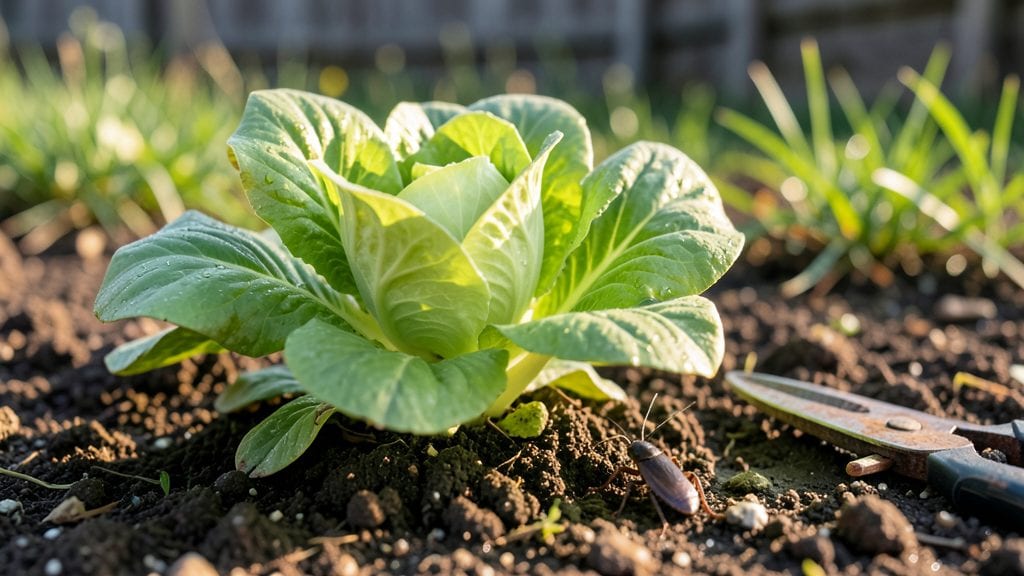
Finding cockroaches in your garden isn’t just gross—it’s a sign something’s off with your soil, moisture, or debris. I’ve wrestled with these pests in my own yard, and the key to fast elimination isn’t chemicals but humane traps that work within 48 hours if set up right.
The secret lies in understanding what they’re really after: damp, dark hiding spots and easy meals.
Most gardeners make two mistakes: overwatering or leaving piles of mulch too close to plants. Cockroaches thrive in that squishy, rotting zone between your soil and your deck.
My go-to traps use borax-soaked cardboard (non-toxic to pets) or simple beer-soaked sponges—both lure them out without harming beneficial insects or your plants. You’ll see results fast, but the real win is keeping them gone for good.
Once you’ve cleared them out, the garden transforms. No more skittering at night, no more chewed leaves—just healthy soil and thriving plants. The traps work because they exploit cockroaches’ love of moisture and sugar, so I’ll show you exactly where to place them for maximum effectiveness.
This isn’t a slow, trial-and-error process—it’s a foolproof, eco-friendly fix that actually sticks.
Works for vegetable gardens, flower beds, and even patio areas where these pests hide. The same principles apply whether you’re dealing with German cockroaches or their outdoor cousins. Let’s get them out of your garden for good—without the harsh stuff.
Root Causes Of Garden Invaders
Cockroaches in your garden aren’t just a nuisance—they’re a sign that something’s off in your outdoor ecosystem. Understanding the why behind their presence helps you target solutions effectively.
Below, we break down the most common reasons these pests take up residence in your green space, from food availability to environmental conditions.
Cockroaches are opportunistic feeders, and a garden full of easy snacks is like a buffet for them. Here’s what’s drawing them in:
- Decaying Organic Matter – Leaves, fallen fruits, and rotting wood create a protein-rich feast. German and brown-banded cockroaches thrive on decomposing plant material. - Pet Food & Scraps – Uneaten pet food, spilled birdseed, or compost piles with meat/fish scraps act as magnets.
Even small crumbs can sustain a colony. - Overwatered Soil – Damp mulch or soggy garden beds provide moisture, which cockroaches need to survive.
They’ll hide in these areas during the day and forage at night. - Fruit Trees & Veggies – Overripe tomatoes, squash, or citrus fruits left on the ground are high-calorie treats. Cockroaches will crawl up plants to reach them.
💡 Pro Tip: Keep compost bins sealed, clean up fallen produce daily, and store pet food in metal containers to cut off their food supply.
Cockroaches need three things to survive: food, water, and hiding spots. Your garden might be providing all three without you realizing it.
- Irrigation Issues – Drip lines, leaking hoses, or overwatered lawns create standing water, which cockroaches drink from. Even morning dew can be enough to sustain them. - Wooden Structures & Debris – Piles of firewood, bark mulch, or old plant pots offer dark, humid hiding spots.
German cockroaches, in particular, love nesting in cardboard, wood, and paper. - Ground Cover & Dense Plants – Thick ground covers (like ivy or hostas) and untrimmed shrubs provide shelter from predators and weather.
Cockroaches hide beneath leaves during the day and emerge at night. - Poor Drainage – Low-lying areas where water pools after rain become breeding grounds. Nymphs (baby cockroaches) need moisture to molt successfully.
✨ Solution: Improve drainage with gravel or sand, remove excess mulch, and store firewood at least 20 feet from your home (and elevated off the ground).
Cockroaches are cold-sensitive, which means your garden’s microclimate plays a huge role in their presence.
- Warm, Humid Summers – Cockroaches multiply rapidly in temperatures above 70°F (21°C). If your garden stays warm year-round (common in tropical or urban areas), they’ll thrive. - Mild Winters – In regions where winters are mild (like the Southeast U.S.), cockroaches can survive outdoors year-round.
They’ll seek shelter in leaf litter, under rocks, or in hollow stems. - Nighttime Foraging – Cockroaches are nocturnal, so they avoid dry, sunny days. If your garden has shaded, cool spots (like under decks or dense foliage), they’ll use them as daytime hideouts.
🌡️ Action Step: If you’re in a warm climate, focus on reducing shade in problem areas and keeping mulch dry to discourage nesting.
Sometimes, the way we design gardens accidentally invites cockroaches.
- Poor Lighting – Dark corners, unlit pathways, or dense plantings create perfect hiding spots. Cockroaches avoid well-lit areas because predators (like birds and lizards) hunt there. - Stone & Brick Features – Cracks in patios, walkways, or retaining walls provide entry points.
Cockroaches squeeze through gaps as small as 1/8 inch. - Nearby Structures – If your garden borders a garage, shed, or basement, cockroaches can migrate indoors through gaps in doors or vents. - Landscaping Mulch – While mulch improves soil, shredded hardwood or bark can trap moisture and attract cockroaches.
Opt for gravel or inorganic mulches if infestations are severe.
🔥 Fix It: Seal cracks with silicone caulk, install motion-sensor lights, and keep mulch at least 6 inches away from your home’s foundation.
Not all cockroaches behave the same. Here’s what draws the most common garden pests:
| Species | Loves | Avoids |
|---|---|---|
| German Cockroach | Warmth, moisture, pet food | Dry, well-ventilated areas |
| American Cockroach | Decaying wood, basements | Direct sunlight, cold temperatures |
| Brown-Banded Cockroach | Starchy plants, dry hiding spots | High humidity |
| Smoky Brown Cockroach | Outdoor debris, compost | Indoor living spaces (mostly outdoor) |
🎯 Key Takeaway: Identify the species in your garden (check for size, wing bands, and droppings) to tailor your control strategy.
By addressing these root causes, you’re not just treating the symptoms—you’re making your garden less inviting for cockroaches long-term. The next step? Humane traps and prevention methods that disrupt their life cycle without harming them (or your plants!).
Practical Ways To Banish Garden Pests
Cockroaches in your garden aren’t just an eyesore—they can damage plants, spread bacteria, and even sneak indoors. The good news? You can tackle them effectively without resorting to harsh chemicals.
Below, we break down the most common causes of garden cockroach infestations and pair them with simple, humane solutions to eliminate them for good.
Cockroaches thrive in moist environments, and soggy soil is an open invitation. If your garden has poor drainage or you’ve been overwatering, you’re creating the perfect breeding ground.
How to Fix It: ✅ 🔥 Improve Drainage – Amend heavy clay soil with compost or sand to help water drain faster. ✅ 🍳 Adjust Watering Habits – Water deeply but less frequently (early morning is best) to let soil dry between sessions. ✅ 👨🍳 Use Mulch Strategically – Apply a layer of gravel or pine straw (not wood chips, which retain moisture) around plants to reduce humidity at ground level. ✅ ⏰ Fix Leaks or Standing Water – Check for broken hoses, clogged gutters, or low spots where water pools.
💡 Prevention Tip: Install French drains or swales in problem areas to redirect excess water away from plant roots.
Piles of leaves, rotting wood, or compost heaps attract cockroaches like a buffet. If your garden has hidden trash or mulch buildup, pests will move in.
How to Fix It: ✅ 🔪 Clear Debris Regularly – Rake up fallen leaves, trim dead plants, and remove old mulch from garden beds. ✅ 🥘 Secure Compost Bins – Use a tight-fitting lid and turn compost frequently to speed up decomposition (cockroaches hate dry, aerated piles). ✅ 🌡️ Store Firewood Properly – Keep stacks elevated, off the ground, and covered—cockroaches use wood piles as highways. ✅ ✨ Relocate Trash Bins – Move outdoor bins at least 10 feet from your garden and use bins with locking lids.
💡 Prevention Tip: Sprinkle diatomaceous earth (food-grade) around compost bins—it’s a natural desiccant that kills cockroaches without harming plants.
Even small food scraps or fallen fruit can lure cockroaches into your garden. If you’ve noticed them near fruit trees, veggie patches, or pet food bowls, they’re likely scavenging.
How to Fix It: ✅ 🍎 Harvest & Clean Up Promptly – Pick ripe fruit, vegetables, and fallen nuts daily to deny cockroaches a free meal. ✅ 🥗 Store Pet Food Indoors – If you feed pets outside, switch to metal or glass bowls and clean them immediately after meals. ✅ 🎯 Use Natural Deterrents – Plant mint, lavender, or citrus near problem areas—cockroaches dislike these scents. ✅ 🔥 Set Humane Traps – Place borax-free traps (like those with bran + sugar bait) in shaded, damp spots to catch and release them far from your garden.
💡 Prevention Tip: If you compost fruit/veggie scraps, bury them deep in the pile or use a worm bin—cockroaches avoid both.
If your garden is adjacent to a shed, garage, or neighbor’s property, cockroaches may be migrating from an established infestation.
How to Fix It: ✅ 🔧 Seal Entry Points – Check for gaps in foundation cracks, vents, or under doors and seal them with caulk or steel wool. ✅ 🌡️ Reduce Outdoor Lighting – Cockroaches are drawn to bright lights at night. Switch to warm, low-wattage bulbs or motion-sensor lights. ✅ 🎯 Treat Adjacent Areas First – If a neighbor’s yard is the source, politely ask them to address their infestation or set traps along the property line. ✅ ✨ Use a Perimeter Barrier – Sprinkle food-grade diatomaceous earth in a 2-foot band around your garden’s edge to create a natural repellent zone.
💡 Prevention Tip: Keep grasses and weeds trimmed near structures—cockroaches use them as cover to sneak indoors.
Final Thought: The key to long-term success is consistency. Combine elimination (traps, cleanup) with prevention (drainage, deterrents) for a cockroach-free garden in weeks, not months. 🚀
Frequently asked questions
Why do cockroaches suddenly appear in my garden after it rained?
Rain creates the perfect conditions for cockroaches—moisture and decaying organic matter. After heavy rain, damp mulch, rotting leaves, and soggy wood become breeding grounds. They also emerge from hiding spots like under rocks or dense foliage where they avoid dry conditions. The key is to improve drainage and remove excess moisture sources.
Are all garden cockroaches harmful to plants?
Most garden cockroaches don’t directly damage plants, but they can spread bacteria and contaminate soil. However, some species (like smoky brown cockroaches) may nibble on decaying plant matter. The bigger risk is their presence indicating poor garden hygiene—standing water, debris, or overwatering—that harms plants more than the cockroaches themselves.
How long does it take for humane traps to work?
With proper placement, you’ll see results in 24-48 hours—but complete elimination takes 1-2 weeks. Traps work fastest in shaded, damp areas where cockroaches hide during the day. Check them daily and relocate them to new spots if they become saturated with bait. Consistency is key for long-term control.
Can I use coffee grounds to repel cockroaches?
Yes! Coffee grounds are a natural deterrent because cockroaches dislike the strong scent. Sprinkle used grounds around garden edges, under plants, or near entry points. For extra protection, mix with citrus peels or mint leaves—the combination creates a powerful repellent barrier that lasts about 3-5 days before needing refreshment.
What’s the best time of day to check for cockroaches?
Early morning (before sunrise) or late evening (after sunset) are ideal. Cockroaches are nocturnal and hide during daylight, but they leave behind droppings, shed skins, or trails near their nesting spots. Use a flashlight to inspect dark corners, under mulch, or along foundation cracks—these are their most active times.