
Tools
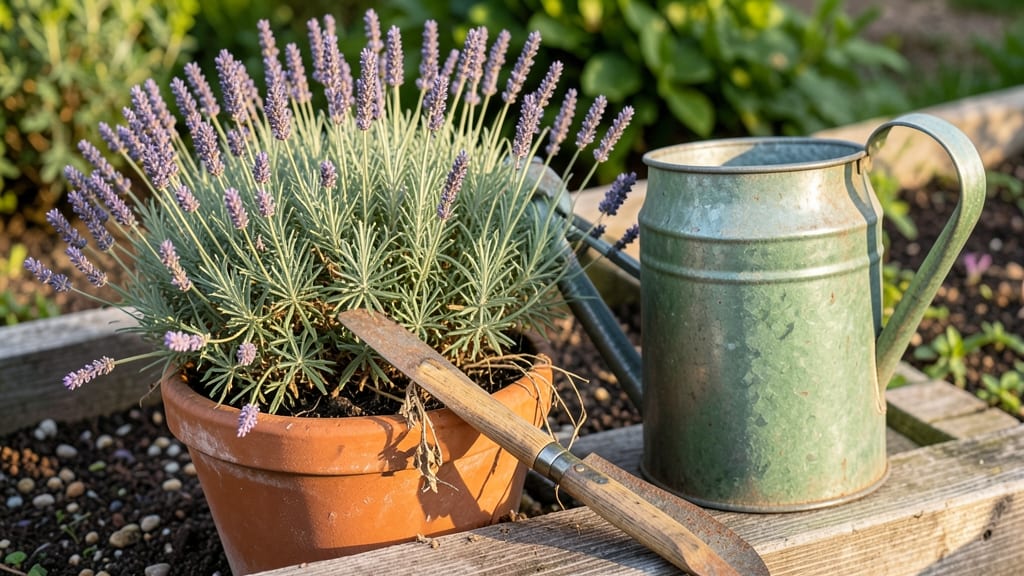
A vintage garden hoe isn’t just a tool—it’s a piece of gardening history that makes every digging session feel like stepping into a bygone era. 🌱 I’ve used mine for years, and there’s nothing quite like the satisfying crunch of soil under a well-crafted blade.
These hoes weren’t just functional; they were designed to last, with sturdy handles and razor-sharp edges that still outperform many modern versions.
The charm goes beyond nostalgia, though. A vintage hoe adds texture to your garden aesthetic, whether you’re cultivating a cottage-style plot or a rustic vegetable patch.
Pair it with cast-iron pots and weathered wooden trellises, and you’ve got a scene straight out of a gardening magazine from the 1920s. Plus, the weight and balance of an antique hoe make precision digging effortless—no more straining or awkward angles.
You’ll find them at antique malls, estate sales, or even online through specialty tool dealers. Look for ones with wooden handles (often ash or hickory) and blades made from high-carbon steel—they’re built to outlast plastic imitations.
Once you’ve got yours, it becomes more than a tool; it’s a conversation starter and a testament to gardening traditions that still hold up today.
Here’s the thing—once you switch, you’ll never go back. The way a vintage hoe glides through soil, the way it fits perfectly in your hand, and the way it makes even the simplest garden tasks feel like an art form.
That’s the magic of a tool designed to last, not just for a season, but for generations.
📚 In This Guide
- What you need
- Instructions
- Tips and common mistakes
- Wrapping up and next steps
What you need
- ● Vintage Garden Hoe: A well-preserved or restored hoe (preferably with a wooden handle and metal blade, ideally from the mid-20th century or earlier). Look for classic designs like the draw hoe or stirrup hoe.
- ● Safety Gear: Heavy-duty gardening gloves (to protect hands from splinters or sharp edges).
- ● Safety goggles (if sanding or refinishing the handle).
- ● Cleaning & Maintenance Supplies: Mild soapy water and a soft-bristle brush (for rust removal).
- ● Rust converter or vinegar solution (1:1 ratio with water).
- ● Sandpaper (medium-grit, 120-150, for smoothing wood or metal).
- ● Metal polish (e.g., WD-40 Specialist or Murphy’s Oil Soap).
- ● Restoration Supplies: Wood stain or linseed oil (to refresh the handle).
- ● Epoxy or metal glue (if repairing cracks or loose joints).
- ● Storage Solutions: A dry, covered space (to prevent rust or warping).
- ● Hoe sheath or wall-mounted rack (to keep it organized).
- ● Companion Tools: A small trowel or hand fork (for weeding alongside your hoe).
- ● Pruning shears (for trimming as you dig).
How to use a vintage garden hoe for efficient soil work
This classic tool transforms weeding and digging into effortless precision—here's how to wield it like a pro.
🌱 Step 1: Choose the Right Hoe for Your Task
A vintage garden hoe comes in different styles, each designed for specific tasks. For general weeding and soil cultivation, look for a stiff-bladed hoe with a 24-30 inch handle—long enough to maintain leverage without straining your back. The blade should be flat and slightly curved for slicing through weeds at the root level.
If you're working in rocky soil, opt for a draw hoe with a narrow, pointed blade—it's perfect for chopping weeds and breaking up compacted earth. For larger garden beds, a standard warren hoe with a wide, flat blade works best for slicing weeds just below the soil surface. Here's the thing—your grip matters just as much as the blade. Wrap your hand around the handle about 6-8 inches from the end for maximum control.
✂️ Step 2: Master the Proper Stance and Grip
Stand with your feet shoulder-width apart and position the hoe blade perpendicular to the soil. For weeding, place the blade just below the soil line—this ensures you slice through the weed's root without disturbing surrounding plants. Grip the handle firmly with both hands, keeping your dominant hand closer to the blade for better control.
Lean slightly forward and push the hoe into the soil with steady pressure. The key is to use your body weight, not just arm strength. Think of it like shaving—short, controlled strokes work better than aggressive digging. If you're working in hard soil, take smaller steps and apply even pressure to avoid slipping.
💧 Step 3: Weed and Cultivate with Precision
For weeds, angle the blade slightly downward and slice just beneath the soil surface. This severs the root while leaving the soil intact. You'll see the weed pop out cleanly—no need to pull it by hand. Work in rows or sections, moving systematically to avoid missing spots. A vintage hoe excels at this because its sharp blade cuts through weeds without uprooting nearby plants.
When cultivating soil, use a scooping motion with the blade to loosen the top layer. This aerates the soil and encourages root growth. Stop when the soil looks fluffy and crumbly—overworking it can compact the earth again. Real talk: if your hoe feels too heavy, you're likely pressing too hard. Adjust your grip and let the tool do the work.
☀️ Step 4: Maintain Your Hoe for Longevity
After each use, clean the blade with a stiff brush to remove dirt and debris. A quick wipe with a damp cloth prevents rust, especially if your hoe is made of iron. Store it in a dry place—moisture is the enemy of metal tools. If the blade starts to dull, sharpen it with a file or whetstone to restore its edge. A sharp hoe works more efficiently and reduces strain on your arms.
Check the handle occasionally for cracks or splinters, especially if it's wooden. A loose handle is a safety hazard—tighten any screws and reinforce weak spots with epoxy or duct tape as a temporary fix. With proper care, a vintage hoe can last decades, passing down through generations. Here's the moment that matters: a well-maintained hoe makes gardening feel like a joyful, rhythmic dance rather than backbreaking labor.
Tips & tricks for mastering your vintage garden hoe
Here's what transforms a basic garden hoe into a precision tool—these tricks will save your back and make weeding feel like a breeze.
Blade Angle is Everything: In Step 3, that slight downward angle when slicing weeds is non-negotiable. I learned this the hard way—when I kept my blade flat, I'd just push weeds deeper into the soil. For best results, angle it just enough so the blade's edge is cutting through the root zone without digging too deep. Think of it like slicing through butter with a knife—gentle pressure and perfect alignment make all the difference.
Handle Grip Secrets: The instructions mention gripping 6-8 inches from the end, but here's the real tip: adjust your grip based on soil type. For rocky soil, move your hands closer to the blade for better control, while loose soil lets you grip higher for more leverage. I keep my dominant hand closer to the blade for precision weeding, but switch to both hands near the handle when cultivating larger areas. This simple adjustment prevents wrist strain during long sessions.
Soil Texture Tells You When to Stop: In Step 3, when cultivating, the "fluffy and crumbly" description is spot-on—but here's how to know exactly when you've achieved it. Run your fingers through the loosened soil. If it falls apart easily between your fingers, you're good. If it clumps together, you've overworked it. Over-tilling can actually compact soil by breaking down its natural structure, so less is often more with a vintage hoe.
Maintenance That Adds Years: The instructions cover basic care, but I've found a few extra steps that extend your hoe's life dramatically. After cleaning, apply a thin layer of mineral oil to the blade—this prevents rust and keeps it sharp longer. For wooden handles, occasionally rub them with beeswax to prevent cracking. I've had hoes last over 30 years with this simple routine, and the handles stay smooth even after decades of use.
Pro Tips for Vintage Garden Hoe
- Here's what transforms a basic garden hoe into a precision tool—these tricks will save your back and make weeding feel like a breeze.
- Blade Angle is Everything: In Step 3, that slight downward angle when slicing weeds is non-negotiable.
- Handle Grip Secrets: The instructions mention gripping 6-8 inches from the end, but here's the real tip: adjust your grip based on soil type.
Frequently asked questions
Got questions about your vintage garden hoe?
Whether you're a seasoned gardener or just starting out, these answers will help you get the most out of your trusty tool.
What’s the best way to clean and maintain my vintage garden hoe?
After each use, wipe down the blade with a damp cloth to remove dirt and sap. For stubborn grime, soak it in warm, soapy water, then scrub with a stiff brush. Dry thoroughly to prevent rust—especially important for vintage tools! Store in a dry place, and occasionally apply a light coat of mineral oil to the blade and joints to keep it in top shape.
Can I use a vintage garden hoe for weeding in hard, compacted soil?
While vintage hoes are excellent for precision digging, they’re not ideal for breaking up heavily compacted soil. For tough conditions, pair your hoe with a sturdy broadfork or garden fork first to loosen the ground. A vintage hoe works best in well-prepared, softer soil where its sharp blade can glide effortlessly.
How do I know when it’s time to sharpen my vintage garden hoe?
Test your hoe’s sharpness by running your thumb lightly along the blade’s edge—if it feels dull or catches, it’s time to sharpen. Use a whetstone or file, maintaining the original angle (usually around 25-30 degrees). Sharpen after every few uses or when the blade starts to drag. A well-maintained edge makes digging a breeze!
Are there modern alternatives to a vintage garden hoe?
Yes! Modern hoes like the stirrup hoe or Japanese ryoba offer similar precision but with ergonomic designs. However, vintage hoes are prized for their craftsmanship and lightweight feel. If you love the nostalgia, consider restoring an antique—just ensure the blade is safe and sharp. For heavy-duty work, a d-handle hoe might be more comfortable.
Why does my vintage hoe feel heavier than new ones?
Vintage hoes often use solid wood handles and thicker metal blades, making them heavier than modern, lightweight alternatives. This extra weight can actually improve leverage for tough jobs! If the weight bothers you, look for one with a hickory or ash handle—these woods strike a balance between durability and comfort. Grip tape can also help reduce strain.
Wrapping up and next steps
From its durable craftsmanship to its effortless precision, the vintage garden hoe proves that timeless tools still hold the key to a thriving garden. Whether you're a seasoned gardener or just starting out, its versatility and charm make it a must-have for any green thumb. 🌱
Ready to elevate your gardening game? Take the next step—visit your local hardware store, antique shop, or trusted online retailer to find your perfect vintage hoe. Then, roll up your sleeves and let the joy of digging begin!