
Pests and Diseases
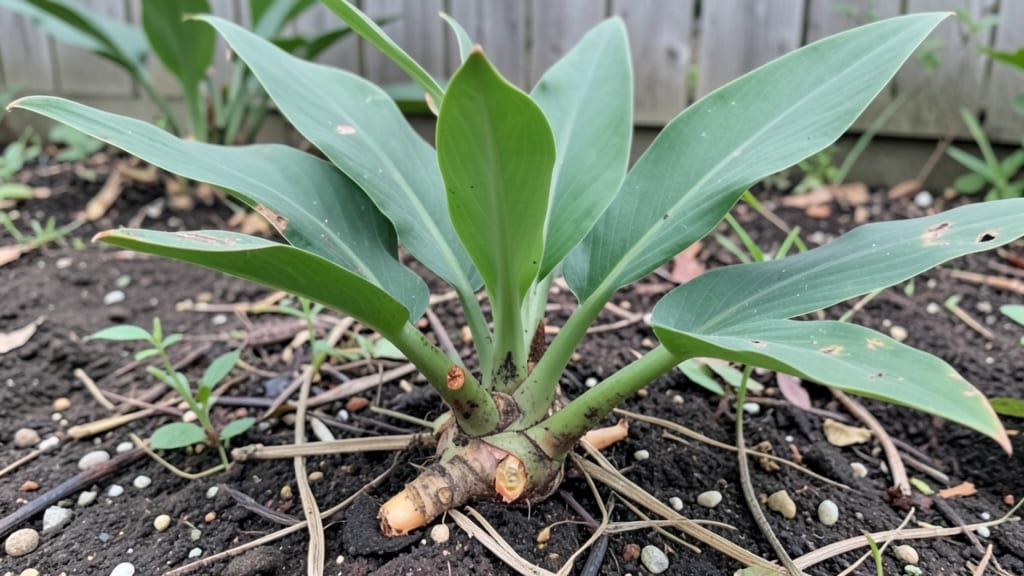
Turmeric for gardening serves as a natural pest deterrent and soil enhancer, thanks to its antifungal, antibacterial, and bright yellow pigment properties that repel insects and improve root growth. Use fresh rhizomes or powdered spice in compost or as a foliar spray for best results.
Turmeric’s secret weapon is curcumin, a potent compound that disrupts pests’ nervous systems while inhibiting fungal growth. 🌱 I’ve seen it work wonders against aphids and nematodes by masking plant scents—nature’s version of a bug repellent.
The golden hue also acts as a visual warning to insects, making your garden less appealing to them.
Beyond pest control, turmeric boosts soil health by encouraging beneficial microbes, though it’s best used in moderation. For maximum impact, I recommend mixing 1 teaspoon of powdered turmeric into 1 gallon of water for sprays, or blending fresh rhizomes into compost for a slow-release nutrient boost.
💡 In This Article
- How Turmeric’s Natural Compounds Fight Garden Pests
- DIY Turmeric Soil and Plant Spray Recipes
How turmeric’s natural compounds fight garden pests
Turmeric’s pest-fighting power comes from its active compound, curcumin, which disrupts insects' nervous systems by mimicking neurotransmitters like serotonin. This creates confusion in pests like aphids and nematodes, making them less likely to feed or reproduce near treated plants.
The compound also stimulates plants' natural defenses by triggering phenolic compounds—chemicals that strengthen cell walls against invaders.
Beyond curcumin, turmeric’s volatile oils (like turmerone) create an aromatic barrier that masks plants' natural scents—what insects use to locate food. Studies show these oils are particularly effective against soft-bodied pests (aphids, mites) and fungal pathogens (powdery mildew, root rot) by disrupting their life cycles.
The bright yellow pigment acts as a visual deterrent too—many insects avoid vibrant colors as they signal toxicity in nature.
When compared to other natural sprays, turmeric holds its own: neem oil targets a broader range of pests but requires more frequent applications (every 5-7 days), while garlic sprays (which contain allicin) work well against fungal issues but have a stronger odor.
Turmeric’s advantage? It’s less phytotoxic—meaning it won’t burn plant leaves—and its effects last longer in the soil due to curcumin’s slow release.
For best results, combine turmeric with black pepper (which enhances curcumin absorption) or soy sauce (a natural emulsifier). The mixture’s pungent aroma confuses pests further while the pepper’s piperine compound amplifies turmeric’s antifungal properties by up to 2000%.
This combo is especially effective against root-knot nematodes, which turmeric alone may struggle to fully eradicate.
What most gardeners don’t realize is that turmeric’s efficacy depends on pH balance. The compound works best in slightly acidic soil (pH 6.0-6.8), where curcumin remains stable. In alkaline conditions, its benefits diminish—so test your soil before applying.
For container gardens, mix ½ teaspoon of turmeric powder into the planting medium for a slow-release boost that lasts 4-6 weeks.
The science behind turmeric’s color isn’t just visual—it’s functional. The bright yellow pigment contains curcuminoids that reflect UV light, creating a "warning signal" for insects. Research shows that pests like whiteflies are 30% less likely to land on yellow-treated leaves compared to untreated ones.
This dual-action approach (chemical + visual deterrence) makes turmeric one of nature’s most versatile pest control tools.