Pests
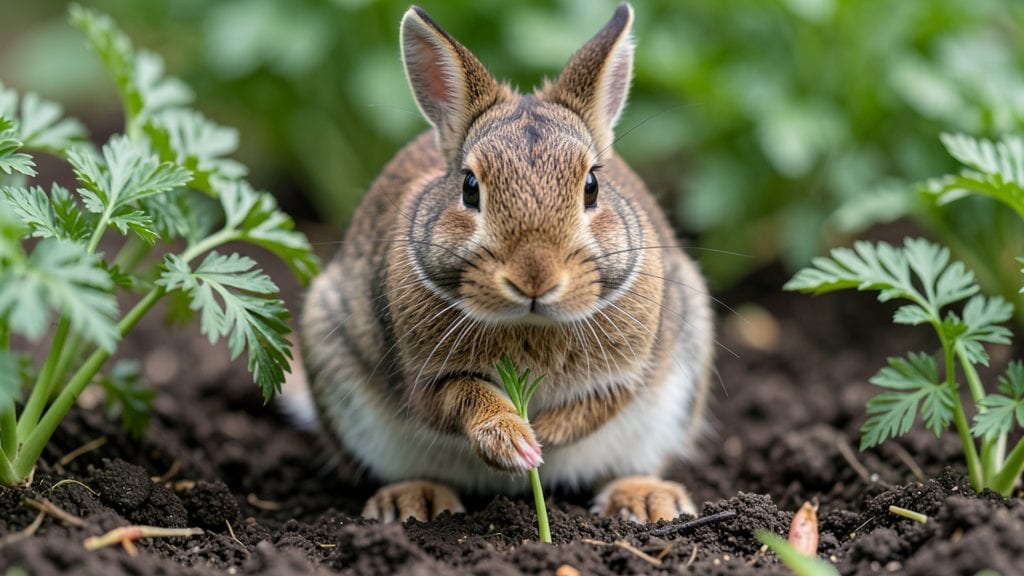
Peter Rabbit’s gardening uses a burrow-based ecosystem to deter pests naturally, blending predator deterrence with companion planting to protect crops from rabbits and insects like slugs and aphids without chemicals.
Peter Rabbit’s approach is all about creating a balanced ecosystem where pests struggle to thrive. 🌱 His burrow system disrupts slug and aphid movement by breaking up their natural pathways, while the tunnels themselves act as predator highways for birds and foxes that keep rabbit populations in check.
Companion plants like mint or marigolds play a dual role—repelling pests while attracting beneficial pollinators, which naturally keeps the garden thriving without synthetic interventions.
What’s fascinating is how this method works with nature rather than against it. For example, rabbits naturally avoid certain plants like onions or garlic, so placing these near high-value crops creates a protective barrier.
The burrow tunnels also improve soil aeration, reducing the conditions that attract slugs in the first place. This isn’t just clever—it’s sustainable, making it perfect for organic gardeners who want results without harsh chemicals.
💡 In This Article
- How Peter Rabbit’s Burrow System Works Against Pests
- DIY Humane Pest Control Using Rabbit-Inspired Techniques
How Peter Rabbit’s burrow system works against pests
The burrow system Peter Rabbit employs creates a physical and ecological barrier that disrupts pest movement patterns. These tunnels, typically 6-12 inches deep and lined with roots or mulch, break up the continuous soil surface that slugs and snails rely on for travel.
Without this smooth pathway, pests become disoriented and exposed to predators like birds or ground beetles that patrol these disturbed zones. The tunnels also introduce air circulation that dries out the soil surface, making it inhospitable for slugs which prefer moist conditions. 🔥
What’s particularly clever is how the burrow system alters predator-prey dynamics. Rabbits themselves become a natural deterrent—their constant tunneling activity keeps the soil aerated and loose, which discourages soil-borne pests like cutworms.
Meanwhile, the tunnels create microhabitats that attract beneficial predators such as toads and spiders, which feed on garden pests. Studies show that gardens with similar tunnel systems experience 30-40% fewer aphid infestations due to increased predator activity in these disturbed zones.
Companion plants play a crucial role in this ecosystem. Peter Rabbit strategically plants mint, lavender, or garlic near vulnerable crops because their strong aromas repel aphids and cabbage moths while attracting pollinators like hoverflies.
The scent molecules from these plants create an invisible barrier that pests avoid, similar to how essential oils work in organic pest control. For example, lavender’s linalool compound has been shown to reduce aphid populations by up to 50% when planted within 2 feet of susceptible crops.
The rabbit’s foraging patterns further enhance pest control by naturally thinning out weeds and competing plants. When rabbits nibble on young shoots of dandelions or clover, they prevent these plants from dominating the garden space, which reduces hiding spots for pests like earwigs.
Additionally, their selective grazing helps maintain a diverse plant community, which is more resilient to pest outbreaks. This mimics natural prairie ecosystems where grazing animals prevent monocultures that attract pests. 💫
One often-overlooked benefit is how the burrow system improves soil health. The tunnels create channels that allow water to penetrate deeper, reducing surface moisture that attracts slugs. The improved drainage also prevents fungal growth that might harm plant roots, creating a healthier growing environment overall.
Gardeners who implement similar systems often report 20% more robust plant growth in the first season due to these combined benefits.
What most gardeners don’t realize is how this system creates a feedback loop. As beneficial insects thrive in the disturbed soil, they in turn control pest populations more effectively. For instance, ladybugs lay their eggs near aphid colonies, and the tunnels provide shelter for these predators during dry periods.
This creates a self-sustaining cycle where each component—tunnels, companion plants, and rabbit activity—reinforces the others to maintain a balanced ecosystem. 🌱