
Fertilization
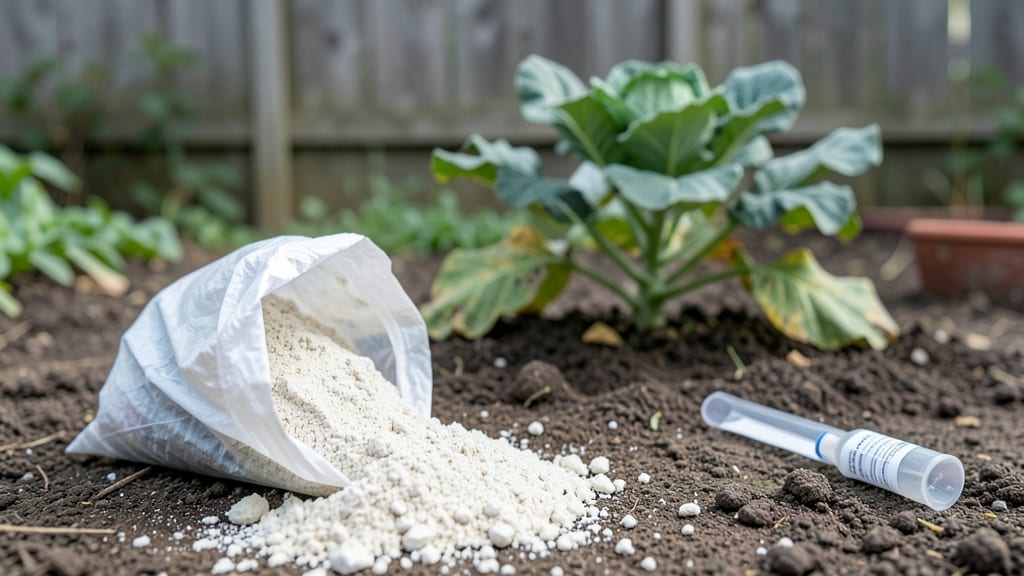
Using calcium carbonate in gardening raises soil pH, neutralizes acidity, and prevents nutrient deficiencies like calcium and magnesium shortages in plants, making it ideal for acidic or clay-heavy soils.
Calcium carbonate works by reacting with acidic soil compounds to form bicarbonate, which gently raises the pH over time. 💫 This isn't just about correcting acidity—it also unlocks essential nutrients that plants can't access in overly acidic conditions.
Many gardeners swear by it for blueberry bushes or azaleas, which thrive in slightly acidic soil but still need that calcium boost to prevent yellowing leaves or stunted growth. The beauty of it is how it improves soil structure too, making clay soils more workable and preventing that dreaded compaction.
For best results, most gardeners apply about 1-2 pounds per 100 square feet for moderately acidic soil, working it into the top 6 inches of soil. The key is patience—it takes time to see the full pH shift, so testing your soil every few months helps track progress.
I always recommend testing before applying, since overdoing it can make soil too alkaline for sensitive plants like hydrangeas.
💡 In This Article
- How Calcium Carbonate Adjusts Soil Chemistry
- Best Ways to Apply Calcium Carbonate in Gardens
How calcium carbonate adjusts soil chemistry
When you add calcium carbonate to acidic soil, it triggers a chemical reaction that transforms the soil's environment. The compound (CaCO₃) dissolves in water to form calcium and bicarbonate ions (Ca²⁺ + CO₃²⁻ → Ca²⁺ + HCO₃⁻), which neutralize hydrogen ions (H⁺) in the soil solution.
This reaction raises the pH by converting acidic hydrogen ions into water (H⁺ + HCO₃⁻ → H₂O + CO₂), effectively reducing soil acidity over time. The process is gradual but predictable—typically shifting pH by about 0.5 to 1.0 units per application in clay-heavy soils.
This isn't just about pH correction—it directly impacts nutrient availability. In acidic conditions (pH 5.5 or lower), essential nutrients like calcium, magnesium, and phosphorus bind tightly to soil particles, becoming "locked out" of plant roots.
Calcium carbonate releases these nutrients by raising pH into the 6.0-7.0 range, where plants can absorb them efficiently. For example, blueberries need pH 4.5-5.5 but still suffer from calcium deficiency in overly acidic soils—calcium carbonate can help balance this without overshooting alkalinity. 🌱
The long-term benefits extend beyond chemistry. Calcium carbonate improves soil structure by replacing sodium ions (Na⁺) with calcium ions (Ca²⁺) in clay soils, reducing compaction and improving drainage.
Think of it like adding tiny "glue" between soil particles—this creates larger pores that hold air and water better, which is why gardeners notice healthier root systems after application.
The granular form works best for this because it distributes evenly without clumping, while powdered forms dissolve faster but require more precise measurement.
What most people don't realize is how calcium carbonate acts as a buffer. After application, it maintains stable pH levels even when organic matter decomposes (releasing acids) or rainwater lowers pH temporarily. This buffering effect is especially valuable in container gardens or raised beds where pH fluctuations happen quickly.
For instance, a 1-pound application per 100 sq ft can maintain pH balance for 6-12 months in moderately acidic soils, depending on rainfall and plant uptake.
For clay soils, the structural improvements are dramatic. Before application, clay particles repel water and compact easily, creating a dense, brick-like texture. After treatment, the soil becomes more friable—almost like crumbly loam—because calcium ions help aggregate particles into stable clusters.
This transformation makes tilling easier and reduces runoff during heavy rains. The visual difference is striking: what was once a hardpan becomes a workable medium where roots can spread freely. 💫
One common misconception is that calcium carbonate works instantly. In reality, the full effects take 4-8 weeks to manifest, as microbial activity and weathering gradually release calcium.
For fast-acting results, some gardeners combine it with lime (calcium oxide), but pure calcium carbonate is safer for edible gardens since it doesn't raise pH as aggressively. The key is patience—regular soil tests every 3-4 months ensure you're not overcorrecting, which can harm acid-loving plants like rhododendrons.