
Watering
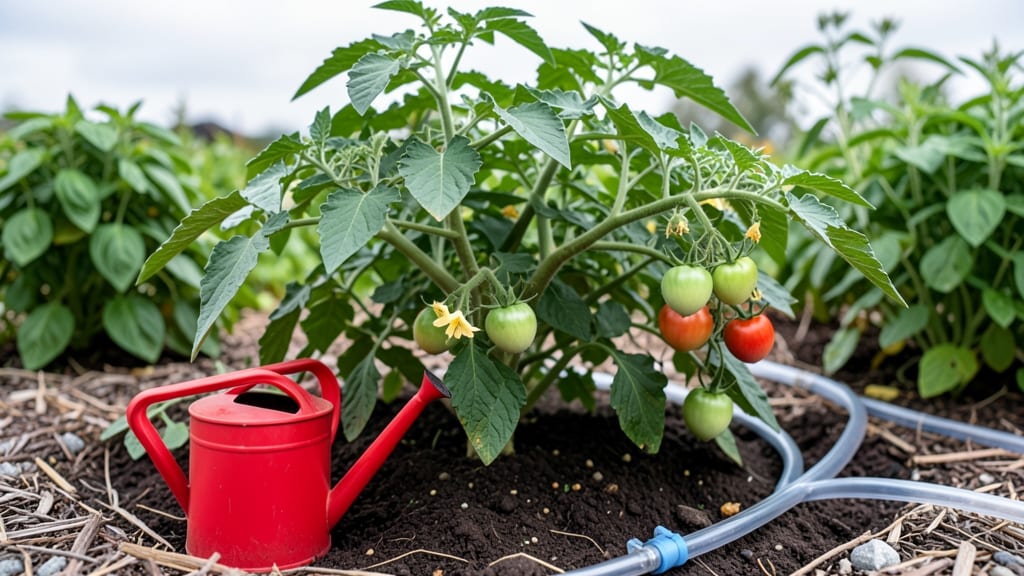
Watering your vegetable garden isn't just about turning on the hose—it's the difference between lush, productive plants and sad, struggling ones that bolt or rot.
I learned this the hard way after my zucchini plants turned bitter and my lettuce bolted to seed in record time, all because of inconsistent watering.
The key isn't how much you water, but when and how—and doing it right means fewer pests, stronger roots, and harvests that last all season.
Most gardeners overcomplicate this, but the basics are simple: water deeply 1-2 times per week (not daily light sprinkles), always in the early morning before 10 AM to prevent fungal diseases. A soaker hose or drip irrigation system makes this foolproof—no more wasted water or uneven moisture.
For drought-prone areas, mulch heavily with straw or wood chips to lock in moisture, and check soil depth with your finger: the top 1-2 inches should stay damp but not soggy.
You'll know you're doing it right when your tomatoes stay firm, your leafy greens stay crisp, and your root crops develop sweetness instead of bitterness. Overwatering? Yellow leaves and wilting despite wet soil.
Underwatering? Crispy edges and plants that droop by noon. The goal is consistency—your plants will thank you with bigger yields and fewer problems. Let's fix that watering routine once and for all.
This works for any vegetable—tomatoes, peppers, beans, or salad greens—no matter your climate. The only variable is adjusting for heat waves or heavy rains, but the core principles stay the same. Once you master this, your garden will run itself better than any store-bought mix ever could.
📚 In This Guide
- What you need
- Instructions
- Tips and common mistakes
- Wrapping up and next steps
What you need
- ● Water source: Hose with adjustable nozzle (or a soaker hose for deep, slow watering) 💦
- ● Watering can: 1–2 gallon capacity (great for precision watering around delicate plants)
- ○ Timer or irrigation controller: Programmable for consistency (optional but highly recommended!)
- ● Rain gauge: Helps track natural rainfall to avoid overwatering 🌧️
- ● Mulch: Straw, wood chips, or shredded leaves (2–4 inches thick) to retain moisture
- ● Garden gloves: Protect your hands from thorns or sharp edges
- ● Knee pads: For comfort during long watering sessions
- ● pH test kit: Ensures your water isn’t too acidic/alkaline for your plants
- ○ Drip irrigation kit: Customizable for large gardens (optional but game-changing)
- ● Know your vegetable water needs: Leafy greens (1–1.5 inches/week), root veggies (1–2 inches/week), fruiting plants (1.5–2 inches/week).
- ● Check soil type: Sandy soil drains fast; clay holds moisture longer. Adjust watering accordingly!
- ● Plan your watering schedule: Early morning (6–10 AM) is ideal to reduce evaporation and disease risk.
Instructions for watering a vegetable garden with perfect timing
Mastering watering isn't about frequency—it's about consistency and observation.
Understand Your Soil’s Moisture Requirements
Vegetables thrive when the top 6 inches of soil remain consistently moist but never soggy. I test moisture by pushing my finger 1-2 inches deep—if it feels dry, it's time to water. Sandy soils drain quickly and may need daily checks, while clay holds moisture longer and only needs attention every 2-3 days. Early morning is ideal because it prevents fungal diseases that thrive in damp evening air.
Pay attention to the plant's natural cues: wilted leaves by midday often signal thirst, but wilting in the morning means you've overwatered. Root vegetables like carrots and potatoes need deep, infrequent watering to develop properly, while leafy greens like lettuce prefer shallow, frequent moisture. Adjust your approach based on the crop.
Water Deeply and Infrequently for Strong Roots
Use a soaker hose or drip irrigation to deliver water slowly at the base of plants, avoiding the foliage. This encourages roots to grow deeper in search of moisture, resulting in sturdier, more drought-resistant plants. Aim for 1-1.5 inches of water per week, delivered in one session rather than multiple shallow waterings. For example, watering 15-20 minutes per zone with a soaker hose usually covers this range.
If you're using a sprinkler, water early in the morning to minimize evaporation and fungal risks. Avoid overhead watering during the day, as it can scorch leaves and waste water. Mulching with 2-3 inches of organic material (like straw or shredded leaves) helps retain moisture and reduces the need for frequent watering by 30-50%.
Adjust for Weather and Growth Stages
During hot, dry spells, increase watering frequency but keep sessions deep. Young seedlings and newly transplanted plants need daily watering until they establish roots, while mature plants can handle slightly longer intervals. Use a rain gauge to track weekly rainfall—subtract that amount from your watering total to avoid overdoing it. For instance, if you get 0.5 inches of rain, you only need to supplement with 0.5-1 inch more.
Watch for signs of stress: yellowing leaves can indicate overwatering, while crispy edges or drooping suggest underwatering. Adjust accordingly, but always prioritize deep watering over frequent shallow sessions. Plants under 12 inches tall benefit from light, daily misting in extreme heat, but avoid wetting leaves after sunset to prevent disease.
Monitor and Maintain Consistency
Keep a watering journal to track what works for your garden. Note the time of day, duration, and any observable plant responses. For example, if tomatoes show blossom-end rot (a calcium deficiency often linked to inconsistent watering), switch to drip irrigation for more stable moisture. Group plants with similar water needs together to simplify maintenance—herbs and greens near the water source, root crops farther out.
Check your irrigation system weekly to ensure even distribution. Uneven watering leads to weak stems or misshapen produce. If you're using a timer, set it for early morning (5-8 AM) to allow foliage to dry before evening. Over time, you'll develop an instinct for when your garden needs water—healthy soil feels spongy, not compacted or dusty.
Tips & tricks for perfect vegetable garden watering
Precision watering transforms a good garden into a thriving one—here's how to refine your technique beyond basic timing.
Soil Depth Matters: When testing moisture in Step 1, focus on the 1-2 inch depth rather than surface dryness. Sandy soils may appear dry at the surface but retain moisture deeper down, while clay soils stay damp longer near the top. For accurate readings, use a soil moisture meter or clean trowel to check both the top inch and 2 inches down—this prevents overwatering fine-textured soils or underwatering coarse ones.
Watering Efficiency: In Step 2, the 15-20 minute per zone guideline assumes moderate soil and average water pressure. To verify coverage, place empty tuna cans at different garden locations—after watering, measure the collected water. Adjust your timing to deliver 1-1.5 inches total evenly across all zones. Uneven water distribution leads to stressed plants and wasted water.
Mulch Application: The 2-3 inch mulch layer recommended in Step 2 should be applied after soil is thoroughly wetted. Spread mulch when plants are dry to prevent fungal growth. For maximum moisture retention, use straw or shredded leaves rather than wood chips, which can draw nitrogen from the soil and create competition with your vegetables.
Stress Signs Decoded: In Step 3, crispy leaf edges typically indicate underwatering during hot days, while yellowing between leaf veins suggests overwatering or poor drainage. For plants under 12 inches, morning misting should last no longer than 5 minutes total—any longer risks fungal spores settling on damp foliage. Always water at soil level to maintain plant health.
Pro Tips for Watering Vegetable Garden
- Precision watering transforms a good garden into a thriving one—here's how to refine your technique beyond basic timing.
- Soil Depth Matters: When testing moisture in Step 1, focus on the 1-2 inch depth rather than surface dryness.
- Watering Efficiency: In Step 2, the 15-20 minute per zone guideline assumes moderate soil and average water pressure.
Frequently asked questions
Got questions about keeping your vegetable garden lush and hydrated? Here are some of the most common ones—and their expert answers!
How often should I water my vegetable garden?
Most vegetables need 1 to 1.5 inches of water per week, including rainfall. Water deeply 2-3 times per week (early morning is best) to encourage strong root growth. Drought-tolerant plants like tomatoes and peppers may need less, while leafy greens like lettuce prefer consistent moisture. Always check soil moisture—stick your finger 1-2 inches deep; if it’s dry, it’s time to water!
What’s the best time of day to water vegetables?
Watering between 6 AM and 10 AM is ideal because it reduces evaporation, minimizes fungal diseases, and gives plants time to absorb moisture before the heat of the day. Avoid evening watering, as damp foliage overnight can attract pests and promote mildew. Pro tip: If you must water in the evening, use drip irrigation to keep leaves dry!
Can I use rainwater or collected water for my vegetable garden?
Rainwater is chemical-free and perfect for vegetables—just avoid collecting water from roofs treated with pesticides or asphalt runoff. If you’re using collected water, let it sit for 24 hours to allow sediment to settle. For extra safety, add a first-flush diverter to your rain barrel to skip the first dirty runoff after a storm.
Why are my vegetable leaves yellowing or wilting after watering?
Yellowing leaves often signal overwatering or poor drainage, while wilting can mean underwatering or root stress. Check the soil: if it’s soggy, reduce watering and improve drainage with compost or sand. If the soil is dry, water deeply and mulch to retain moisture. Pests like aphids can also cause wilting—inspect leaves for tiny bugs or sticky residue.
What’s the best way to water without a hose or sprinkler?
No hose? No problem! Use a watering can with a long spout for precision, or repurpose a clean plastic bottle with holes punched in the cap as a DIY drip system. For larger gardens, bucket watering with a timer (like a simple kitchen timer) works well. Group plants with similar water needs to streamline your routine—efficiency saves time and water!
Wrapping up and next steps
Mastering the art of watering your vegetable garden is all about precision, patience, and consistency—and you’re now equipped with the tools to make it happen! 🌱 Whether you’re adjusting for soil type, weather, or plant needs, every drop counts toward a bountiful harvest. Don’t let perfection hold you back—start small, observe, and refine your approach over time.
Your next step? Grab your watering can, set a reminder, and get hands-on! Try one new technique this week—like deep watering or mulching—and watch your garden thrive. Happy growing! 🌿