
Tools
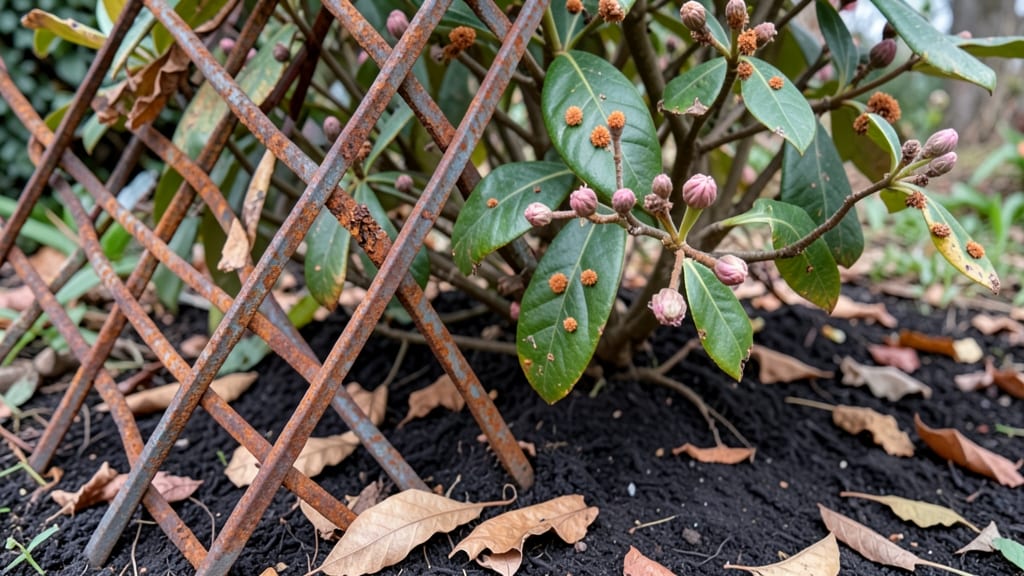
Reviving a rusted garden begins by restoring your tools with a baking soda paste or vinegar soak, followed by a protective coating of mineral or linseed oil to stop future corrosion. Consistent care and smart storage can double—or even triple—the lifespan of your equipment.
Rust forms when metal reacts with moisture and oxygen, creating that telltale flaky brown layer. 🔥 The good news? Most garden tools—especially those made of iron or steel—can be saved with the right approach.
I’ve seen pruners, shovels, and shears go from looking like relics to good-as-new in just a few hours. The key is acting fast: the longer rust sits, the harder it is to remove without damaging the tool’s surface.
Once you’ve scrubbed off the rust, the next step is sealing the deal. Mineral oil is my go-to because it’s cheap, widely available, and does a great job of blocking moisture.
But if you’re dealing with tools that’ll see heavy use—like a chainsaw or hedge trimmer—I’d recommend a heavier-duty spray like WD-40 Specialist or a clear acrylic sealer.
Proper storage matters just as much: hanging tools with hooks or storing them in a dry, ventilated shed (not a damp garage corner) keeps them in fighting shape for years.
💡 In This Article
- Science Behind Rust Formation in Garden Tools
- Step-by-Step Guide to Cleaning and Protecting Rusty Tools
Science behind rust formation in garden tools
Rust isn't just an ugly brown stain—it's a chemical reaction called oxidation where iron in your tools combines with oxygen and water to form iron oxide. This process starts at the microscopic level when moisture breaks through the metal's protective surface layer.
The reaction releases electrons that accelerate corrosion, creating that flaky texture we recognize. In garden tools, this happens fastest in areas with high humidity or when tools are left wet after use, like a shovel sitting in a damp shed corner.
Not all metals rust at the same rate. Pure iron oxidizes quickly because it lacks chromium's protective layer (found in stainless steel). Even mild steel tools with just 10-12% chromium show significantly slower corrosion.
The soil's acidity also plays a role—gardens with pH below 6.5 (common in clay-heavy soil) accelerate rust by 30-50% compared to neutral pH. That's why tools used in vegetable beds often show more corrosion than those in lawn areas.
The oxidation process follows four key stages: initial surface corrosion, pit formation, spreading rust layers, and eventual structural weakening. At 70% humidity, tools can start rusting within 24 hours of exposure, while below 40% humidity, the process slows dramatically.
This explains why tools stored in unheated garages (often 50-60% humidity) show more rust than those kept in climate-controlled sheds (30-40% humidity).
Temperature matters too—rust forms 2-3x faster between 68-86°F than below 50°F. That's why summer tools often show more corrosion despite equal use. The warm air holds more moisture, creating the perfect environment for oxidation.
Even stainless steel tools aren't immune—just slower. Their chromium layer can degrade over time with repeated exposure to salt (from sweat or soil) and moisture.
Here's what most people miss: rust isn't just surface-level. The oxidation process creates internal stress that can weaken metal by up to 40% before you even notice visible corrosion. That's why a rusted pruner might snap unexpectedly. The good news?
Removing rust early prevents this structural damage. A simple vinegar soak (acetic acid) can dissolve rust layers by breaking the iron oxide bonds, while baking soda (sodium bicarbonate) acts as a mild abrasive to physically remove corrosion.
The science shows that prevention is easier than repair. Keeping tools dry (moisture-free for 12+ hours after use) and applying a thin oil layer creates a hydrophobic barrier that blocks oxygen.
This simple step can extend tool life by 5-10 years or more. The key is understanding that rust isn't just cosmetic—it's a progressive chemical attack on your tools' integrity. 🔥