
Tools
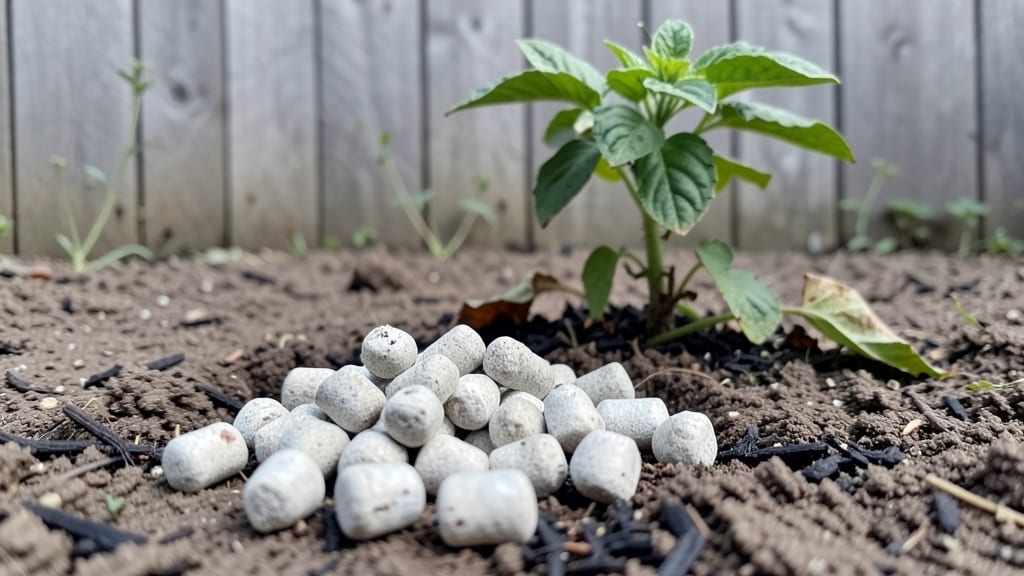
Mothballs in garden storage aren’t just for moths—they’re my go-to for keeping tools sharp, seasonal gear dry, and pests from turning my shed into a five-star hotel. 🌿 I’ve saved dozens of pairs of pruners, trowels, and even my favorite rain boots from rust and moth damage using this simple trick.
The key is placement: I tuck them in breathable fabric pouches or old cotton socks inside toolboxes and storage bins.
Here’s the thing—mothballs work, but they’re not harmless. Naphthalene fumes can irritate lungs and harm pets, so never use them near open garden areas or where kids play.
Instead, I place them in sealed containers with air holes or opt for cedar blocks, which repel pests naturally without the chemical kick. For extra protection, I add a few drops of citrus oil to the storage space—moths and rodents hate that smell.
What you’ll get is gear that lasts seasons without rust or damage, plus a pest-free storage area that smells fresh, not chemical. The setup takes 10 minutes and costs pennies compared to replacing ruined tools.
Just remember: ventilation is everything. I’ll show you the exact placement tricks that keep everything safe and effective.
This method works for sheds, garages, or even under-bed storage units—anywhere you keep garden tools and equipment. The same principles apply whether you’re storing for winter or just keeping things tidy between seasons. Let’s make sure your gear stays in top shape without the risks.
📚 In This Guide
- What you need
- Instructions
- Tips and common mistakes
- Wrapping up and next steps
What you need
- ● Mothballs (paradichlorobenzene-based) – 1–2 lbs (choose outdoor-safe or food-grade if storing edible items nearby).
- ● Storage containers – Plastic bins (5–20 gallons), fabric bins, or sealed wooden crates (ensure they’re airtight or breathable with ventilation holes).
- ○ Burlap sacks or breathable fabric – For wrapping tools/gear before storage (optional but highly recommended for extra protection).
- ○ Charcoal or cedar blocks – 2–4 pieces (natural pest repellents; optional but effective).
- ● Measuring cups/spoons – For precise mothball placement (avoid overuse!).
- ● Tweezers or gloves – To handle mothballs safely (they’re toxic if ingested!).
- ● Small mesh bags or cheesecloth – To contain mothballs in hard-to-reach spots (e.g., tool handles).
- ● Humidity absorbers (silica gel packs) – 1–2 packs (prevents rust on metal tools).
- ● Label maker or markers – To tag containers with contents + date (trust us, you’ll thank us later!).
- ● Dry, well-ventilated storage space – Avoid damp basements or garages (mold + mothballs = bad combo!).
- ● Pet/child-proofing plan – Store mothballs out of reach (or use pet-safe alternatives like lavender sachets).
- ● Seasonal gear inventory – Know what you’re storing (e.g., gardening tools, holiday decor, camping gear).
How to use mothballs safely in your garden storage
Here's my go-to method for keeping garden tools and seasonal gear pest-free without harming plants.
🪴 Step 1: Choose the Right Storage Containers
Start with sturdy, sealed plastic bins or metal tool chests—these create the airtight environment mothballs need to work. I prefer clear plastic bins because they let me see what's inside without opening them. Make sure each container has a tight-fitting lid to prevent pests from sneaking in.
If you're storing fabric items like old gardening gloves or cotton twine, use mesh bags inside the bins. These allow air circulation while keeping moths out. Avoid cardboard boxes—they tear easily and don't seal well. For metal tools, add a silica gel packet to absorb moisture and prevent rust.
💧 Step 2: Prepare the Storage Area
Place your containers in a cool, dry spot like a garage, shed, or basement corner. Direct sunlight or damp conditions will break down mothballs faster. I like to elevate bins off concrete floors using wooden pallets—this prevents moisture wicking from the ground.
Before adding mothballs, inspect your tools and gear for existing pests. Brush off cobwebs and check for tiny eggs or larvae in crevices. A quick vacuum of the storage area removes hidden pests before they multiply. Keep the space clean—dust and debris attract pests that mothballs won't stop.
✂️ Step 3: Place Mothballs Strategically
Use 4-6 mothballs per small bin (up to 18 gallons) or 8-10 for larger containers. Space them evenly—don't pile them together. I like to place one in each corner and one in the center of the bin. This creates a vapor barrier that pests can't penetrate.
For fabric items, tuck mothballs into the folds of clothing or place one inside each tool bag. Never wrap fabric directly around mothballs—they can stain or damage materials. If storing leather gardening gloves, place a mothball in the palm and another in the heel pocket.
🌱 Step 4: Monitor and Refresh Regularly
Check your stored items every 3-4 months for signs of pests or fading mothball effectiveness. If you notice any moths or webbing, replace all mothballs immediately. Store unused mothballs in an airtight container away from children and pets—never keep them in food storage areas.
In warm months, mothballs evaporate faster. I add fresh ones in early summer and again before winter storage. Keep a small bag of replacements handy—you don't want to discover pests after storing gear for the season. Always open bins in a well-ventilated area when checking contents.
☀️ Step 5: Handle with Safety in Mind
Wear gloves when handling mothballs—never touch them with bare hands. The active ingredient, naphthalene, can irritate skin. Place used mothballs in sealed bags before disposal—never throw them in compost or outdoor trash where pets or wildlife might encounter them.
If you notice any discoloration on tools or fabrics, remove mothballs immediately and wash the affected items with mild soap and water. For metal tools, a vinegar rinse removes any residue. Keep mothballs out of reach of children and pets—never use them in areas where they can contaminate food or water sources.
Tips & tricks for safe mothball storage in your garden
Between us, these little tricks will help you keep your garden tools and seasonal gear pest-free without any surprises. Here's what I've learned after years of trial and error.
Container Selection: Don't just grab any bin—opt for containers with tight-sealing lids that create a completely airtight environment. I've found that clear plastic bins work best because you can easily spot any pests before they become a problem. For fabric items, those mesh bags inside bins are a game-changer—they allow airflow while keeping moths out. And here's a pro move: add a silica gel packet to metal tool containers to prevent rust while you're at it.
Placement Strategy: When placing your bins, think vertical space! Elevating them on wooden pallets keeps them off damp concrete floors, which prevents moisture buildup that can reduce mothball effectiveness. I also like to position bins in corners where they're less likely to be disturbed. Real talk: the back corner of your garage or basement is prime real estate for this setup.
Mothball Distribution: The 4-6 mothballs per small bin (up to 18 gallons) isn't arbitrary—it creates that vapor barrier we need. Place them in corners AND center to ensure even coverage. For fabric items, tuck them into folds rather than wrapping—this prevents staining while still keeping pests away. I've learned this the hard way after discovering yellowed gloves from direct contact.
Safety First: Always wear gloves when handling mothballs, and never store them in food areas. I keep a small sealed container of replacements in my tool shed, completely separate from any gardening supplies. Here's what nobody tells you—those used mothballs need proper disposal too. Seal them in bags before putting them in your trash to prevent any accidental exposure.
Pro Tips for Mothballs In Garden
- Between us, these little tricks will help you keep your garden tools and seasonal gear pest-free without any surprises.
- Container Selection: Don't just grab any bin—opt for containers with tight-sealing lids that create a completely airtight environment.
- Placement Strategy: When placing your bins, think vertical space!
Frequently asked questions
Got questions about using mothballs in your garden storage?
You’re not alone! Here are some common concerns—and straightforward answers—to help you keep pests at bay without the hassle.
Are mothballs safe to use around garden tools and gear?
Mothballs are generally safe for inanimate items like tools, lawn chairs, and seasonal gear when used properly. However, avoid direct contact with food storage containers, rubber, or painted surfaces, as fumes can cause discoloration. Always store them in a well-ventilated area, like a shed with cracks or a mesh bag.
How long do mothballs last in a storage space?
Most mothballs (especially paradichlorobenzene types) remain effective for 6–12 months in a sealed or semi-sealed space. Check them periodically—if they shrink or lose their strong odor, replace them. For long-term storage (like winterizing gear), refresh them every 6 months to maintain pest protection.
What’s a natural alternative to mothballs for garden storage?
If you prefer chemical-free options, try these pest deterrents:
- Cedar blocks or chips – Natural repellent for moths and silverfish.
- Essential oils (lavender, peppermint, or eucalyptus) on cotton balls.
- Diatomaceous earth (food-grade) in small containers.
- Bay leaves or dried herbs tucked into fabric items.
What should I do if mothballs leave a weird smell on my gear?
Residual odor is common, but it usually fades after a few days to a week in fresh air. For stubborn smells:
- Wipe down tools/gear with a mix of vinegar and water (1:1 ratio).
- Air out items in sunlight (UV helps break down fumes).
- Use baking soda in a sealed bag overnight for fabrics.
Why do I still see pests after using mothballs?
Pests might persist if:
- The mothballs are old or expired (check for shrinking or weak scent).
- Storage isn’t airtight enough (cracks let pests in).
- You’re dealing with larger invaders (like rodents)—mothballs won’t deter them.
Wrapping up and next steps
Using mothballs in your garden is a smart, budget-friendly way to keep pests at bay while protecting your tools and seasonal gear. Whether you’re storing wooden handles, fabric items, or metal tools, this simple solution adds an extra layer of defense without breaking the bank. You’ve got this! 🌟
Ready to take action? Start small—test a few mothballs in a sealed container with a few items, then expand as needed. For extra peace of mind, pair this method with proper ventilation and regular inspections to keep your storage space pest-free all year round.