Tools
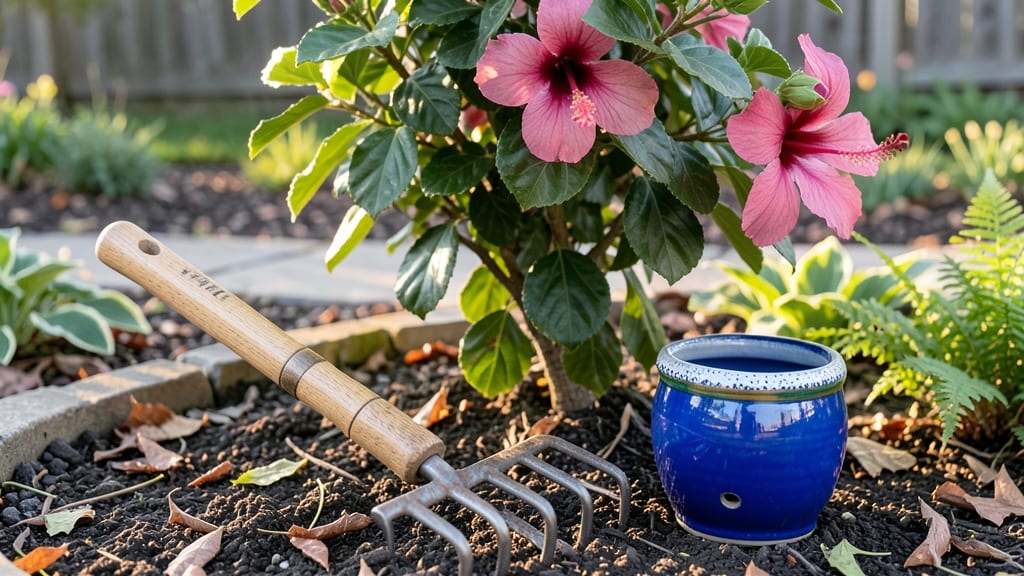
An old person gardening should never mean straining your back or struggling to reach plants. I’ve spent years adapting my garden to fit my needs—and trust me, the right tools and setup make all the difference.
The key is combining ergonomic tools, raised beds, and plants that thrive with minimal fuss, so you can enjoy the garden without the aches.
My setup includes lightweight, long-handled tools that reduce bending, 4-foot-tall raised beds to avoid kneeling, and drought-tolerant perennials like lavender and sedum that ask for almost no care.
Even seating areas with built-in planters let me tend to plants while sitting comfortably. The goal? A garden that works for you, not against you.
By the end of this, you’ll have a space where every task feels manageable—whether it’s pruning, harvesting, or just stepping outside to enjoy the greenery. No more wrestling with stiff joints or overreaching; just the quiet satisfaction of a garden that adapts to your pace. Let’s make it happen.
This approach works for any garden size, from small patios to backyard plots. The focus is on comfort, safety, and joy—because gardening should be a pleasure, not a chore. Ready to redesign your space for easier growing?
📚 In This Guide
- What you need
- Instructions
- Tips and common mistakes
- Wrapping up and next steps
What you need
- ● Adaptive Gardening Tools: Lightweight, ergonomic trowel (with padded grip) – 1-2
- ● Long-handled pruners (bypass or anvil type, easy-grip) – 1 pair
- ● Knee pad or cushioned kneeler – 1 (adjustable height preferred)
- ● Wheelbarrow or lightweight garden cart – 1 (for transporting soil/plant debris)
- ● Garden gloves (breathable, padded, and slip-resistant) – 1-2 pairs
- ● Planting Supplies: Potting soil (lightweight, moisture-retentive mix) – 5-10 gallons
- ● Raised garden beds or containers (adjustable height, 12"–18" deep) – 1-3
- ● Seedlings or easy-to-grow plants (e.g., herbs, lettuce, marigolds) – 3-6
- ● Safety & Comfort: Sun hat or wide-brimmed cap – 1
- ● Sunscreen (SPF 30+) – small travel size
- ● Water bottle with straw (hydration-friendly) – 1
- ● Hose with adjustable nozzle or watering wand (for gentle watering) – 1
- ● Portable stool or bench (foldable, lightweight) – 1
- ● Plant labels with large print or QR codes – 5-10
- ● Solar-powered garden lights (for visibility or ambiance) – 2-4
- ● Voice-activated assistant (e.g., for reminders or weather updates) – 1
Instructions for adaptive gardening tools that make plant care easier
Here’s how to transform your garden into a comfortable, low-strain space using the right tools and techniques.
Select Ergonomic Tools Designed for Comfort
Start by replacing traditional tools with lightweight, extended-handled versions to reduce strain. Look for tools with padded grips—these prevent blisters and grip fatigue during long sessions. I recommend a long-handled trowel (at least 24 inches) for digging and transplanting, as it eliminates bending. The same goes for a pruning shears with a telescoping handle—it lets you trim high branches without climbing or stretching.
If arthritis makes gripping difficult, choose tools with thick, ergonomic handles or attach foam grips yourself. I’ve found that bamboo or aluminum tools are lighter than steel and easier to maneuver. Test a few at your local garden center before committing—hold each one for a minute to see which feels most natural in your hand.
Set Up a Raised Bed or Container Garden
Knee pain or back issues? A raised bed eliminates the need to bend over, and you can adjust its height to your comfort level—12 to 18 inches tall is ideal for most people. Fill it with lightweight potting mix (not garden soil) to reduce the weight you’re lifting. If space is limited, large containers (at least 12 inches deep) work just as well for herbs, vegetables, or flowers.
Place the bed or containers on a stable, level surface near your home to avoid carrying tools or soil long distances. I like to set up mine on a patio or deck with a small bench nearby—this way, I can sit while working and take breaks without moving far. Add wheelbarrow-friendly paths (like gravel or mulch) to make transporting materials easier.
Install a Drip Irrigation System for Hands-Free Watering
A drip irrigation kit with a timer is one of the best adaptations for reducing physical effort. These systems deliver water directly to the roots, so you won’t waste time lugging hoses or bending to water by hand. Set the timer to water in the early morning (before 8 AM) to avoid evaporation and fungal growth.
For raised beds, use soaker hoses buried just below the soil surface—this ensures even moisture without puddling. If you prefer, a self-watering planter with a reservoir eliminates the need to water at all for up to two weeks. I’ve seen these reduce watering time by 90%, which is a game-changer for anyone with limited mobility.
Use Adaptive Seating and Supportive Accessories
Invest in a foldable garden stool with armrests or a wheelchair-accessible kneeler to sit while working. I like stools with padded seats and back support—they make long sessions much more comfortable. For container gardening, a small folding table (about 24 inches high) lets you work at waist level, reducing strain on your back and knees.
Add a portable shade umbrella or sun hat with a neck flap to protect your skin during sunny days. If you garden in the heat, a cooling towel draped around your neck can make a big difference. Keep a small water bottle within reach—dehydration worsens fatigue, so sip regularly even if you’re not thirsty.
Organize Tools and Supplies Within Reach
Store frequently used tools in a wall-mounted rack or a rolling cart so you don’t have to bend or reach far. Label everything clearly—bright, large-print tags make it easier to identify tools quickly. I keep my gloves, pruners, and trowel in a padded tool belt or a small backpack so I can move around without dropping anything.
Place a small trash bin and a bucket for clippings near your workspace to avoid carrying debris. If you compost, use a lightweight, lidded bin with wheels to roll it to your compost pile. The goal is to minimize bending, lifting, and unnecessary movement—every little convenience adds up over time.
Tips & tricks for perfecting your adaptive gardening setup
Creating a truly comfortable gardening experience requires attention to detail—especially when adapting tools for ease of use. These practical insights will help you avoid common pitfalls and maximize the ergonomic benefits you've worked so hard to establish.
Ergonomic Tool Selection: When testing tools at your local garden center, pay special attention to how they feel in your hand after just one minute. The 24-inch long-handled trowel should allow you to dig without bending at all—if you find yourself leaning forward, the handle isn't long enough. For pruning shears, look for telescoping handles that extend to at least 36 inches when fully extended; this eliminates the need to climb ladders for high branches. I recommend testing them while standing on both feet and with one foot elevated to simulate different gardening positions.
Raised Bed Height Optimization: The 12 to 18-inch height range for raised beds is ideal, but don't be afraid to customize further. If you have significant knee issues, consider building or purchasing beds that reach 24 inches tall—this brings planting level up to your waist when seated. For container gardening, use 24-inch high folding tables to create a consistent working height that reduces back strain. Remember that lightweight potting mix is essential—regular garden soil can add 30 pounds per cubic foot more weight, making lifting much more difficult.
Drip Irrigation Efficiency: Setting your timer to water before 8 AM is crucial, but don't forget to adjust for seasonal changes. During summer months, you may need to water 15-30 minutes earlier to account for earlier sunrise times. For raised beds, bury soaker hoses just 1 inch below the soil surface—any deeper and they won't deliver water effectively to plant roots. The 90% time savings from self-watering planters is real, but monitor them weekly to ensure the reservoir isn't depleted, which can lead to root exposure and plant stress.
Tool Organization Strategy: When creating your wall-mounted rack or rolling cart, position frequently used items at elbow height (about 30 inches) when seated. This eliminates the need to reach up or bend down. For bright, large-print tags, consider using glow-in-the-dark material—they're easier to read in low light and provide an extra safety benefit. I've found that organizing tools by task (pruning group, planting group, weeding group) rather than by tool type reduces decision fatigue and makes transitions between gardening activities smoother.
Pro Tips for Old Person Gardening
- Creating a truly comfortable gardening experience requires attention to detail—especially when adapting tools for ease of use.
- Ergonomic Tool Selection: When testing tools at your local garden center, pay special attention to how they feel in your hand after just one minute.
- Raised Bed Height Optimization: The 12 to 18-inch height range for raised beds is ideal, but don't be afraid to customize further.
Frequently asked questions
Got questions about gardening later in life? You’re not alone!
Whether you’re just starting or looking to adapt your green thumb, these answers will help you grow with ease—no matter your age.
What are the best adaptive gardening tools for seniors with limited mobility?
Look for ergonomic tools like long-handled reachers, lightweight trowels with padded grips, and knee pads with handles. Raise beds (12–18 inches high) reduce bending, while wheelbarrows with easy-grip handles make hauling soil or plants effortless. Pro tip: Adjustable tools (like the Fiskars ErgoGlide) let you customize grip size for comfort.
Is it too late to start gardening in my 60s, 70s, or beyond?
Absolutely not! Gardening is a lifelong hobby—many seniors grow thriving veggies, herbs, or flowers well into their 80s and 90s. Start small with container gardening or window boxes if space is limited. Focus on low-maintenance plants like succulents, lavender, or leafy greens. Key tip: Prioritize joy over perfection—even a single pot of herbs can be rewarding!
How can I garden comfortably in extreme heat or cold?
For heat: Work during early morning or late afternoon, wear a wide-brimmed hat and UV-protective clothing, and stay hydrated with electrolyte drinks. For cold: Layer clothing, use gloves with grip, and garden in short bursts. Alternative: Try indoor gardening (herbs on a sunny windowsill) or a greenhouse kit to extend your growing season.
Are adaptive gardening tools expensive? Where can I find affordable options?
Not necessarily! Many dollar stores or hardware chains (like Home Depot or Lowe’s) sell budget-friendly ergonomic tools (e.g., $10–$20 trowels). Check thrift stores or online marketplaces for gently used gear. DIY hack: Add foam pipe insulation to tool handles for better grip—it’s a cheap, customizable fix!
What are the easiest plants for seniors to grow with minimal effort?
Start with fast-growing, forgiving plants like:
- Herbs: Basil, mint, or chives (thrive in pots, harvest often).
- Leafy greens: Lettuce, spinach, or kale (cut-and-come-again varieties).
- Flowers: Marigolds or zinnias (deter pests, bloom quickly).
- Fruits: Strawberries or dwarf tomatoes (container-friendly).
Pro tip: Use self-watering planters to cut down on chores!
Wrapping up and next steps
Gardening in your golden years isn’t just about growing plants—it’s about growing joy, connection, and independence. With the right adaptive tools, year-round plant care can be a comfortable, fulfilling hobby that keeps you active and engaged.
Whether you’re tending to herbs, flowers, or veggies, remember: every seed planted is a step toward a greener, happier life.
Ready to dig in? Start small—pick one tool or technique from this guide and try it this week! Your garden (and future you) will thank you. 🌱💛