
Pests
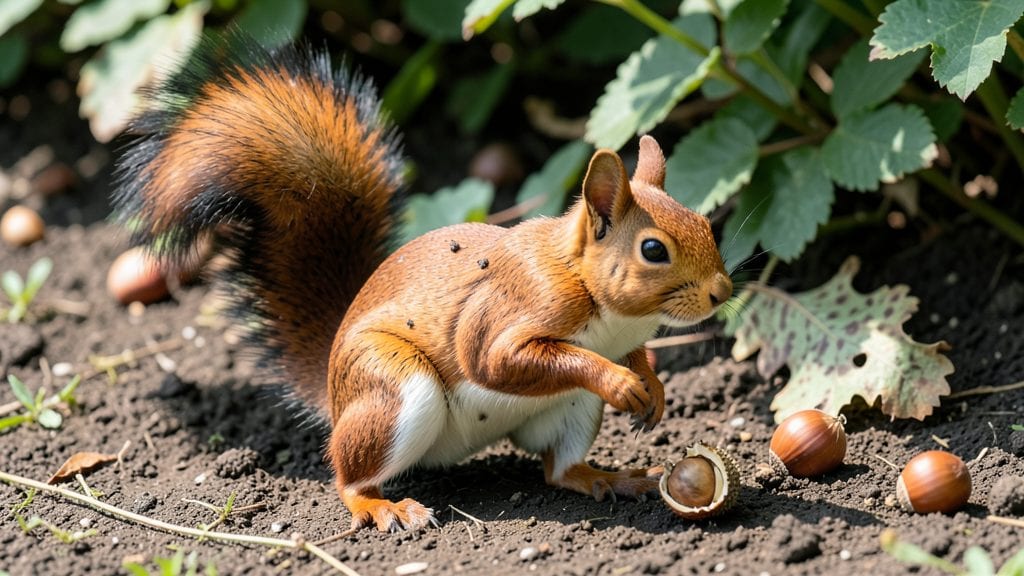
My squirrel prevention garden starts with one brutal truth: those bushy-tailed bandits are smarter than we give them credit for. 🌿 After losing three tomato plants to relentless digging and a raised bed of bulbs chewed to nubs, I realized standard fencing just isn’t enough—squirrels climb, chew, and tunnel through anything short of fortress-level defenses.
The solution? Layered barriers that combine physical obstacles, scent deterrents, and plant choices squirrels actively avoid. Start with hardware cloth (not chicken wire—squirrels tear through it) buried 12 inches deep around beds, then add pronged tree guards on young trunks.
Natural repellents like hot pepper spray or predator urine (yes, really) buy extra time, but the real game-changer is planting squirrel-proof varieties like daffodils, alliums, and marigolds—they hate the smell and taste.
Within weeks, you’ll notice fewer frantic digging holes and more undisturbed plants. The key is consistency: no single barrier works alone, but together they create a garden squirrels simply won’t bother with. Even my neighbor’s persistent gray squirrels finally gave up after seeing my layered setup.
Works for vegetable gardens, flower beds, or even birdseed storage areas—just scale the barriers to your space. Let’s build a squirrel-proof fortress they’ll avoid entirely.
The Root Causes of Squirrel Raids
Squirrels may seem like harmless, fluffy forest dwellers, but when they invade your garden, they become relentless thieves with a single goal: free food and nesting materials.
Understanding why they target your outdoor space is the first step to outsmarting them. Let’s break down the science—and the sneaky strategies—behind their behavior.
Squirrels are opportunistic foragers, meaning they’ll exploit any easy meal they can find. In urban and suburban areas, their natural food sources—like nuts, seeds, and fruits—are often limited due to deforestation and habitat loss.
Your garden, with its lush plants, ripe produce, and even birdseed, becomes an all-you-can-eat buffet.
- Scientific trigger: Squirrels have short-term memory (about 30 minutes) but excellent spatial memory.
If they find a reliable food source, they’ll cache and return to it repeatedly. - Actionable insight: If you’ve noticed squirrels digging in flower beds or raiding hanging baskets, they’re likely testing multiple food sources to find the easiest one.
Once they identify your garden as a reliable spot, they’ll defend it aggressively.
Squirrels don’t just eat—they build. During breeding season (spring and summer), they gather soft materials like mulch, shredded bark, and even insulation from your home to line their nests (called "dreys").
If your garden has: - Loose mulch (especially cedar or pine) - Overgrown shrubs or vines - Unsecured compost piles
…you’re essentially handing them nesting gold.
- Scientific trigger: Female squirrels (does) double their food intake during pregnancy to support their young.
They’ll strip plants, chew wires, and even dig up bulbs to gather materials. - Actionable insight: If you see shredded leaves, chewed plants, or small piles of debris near trees or rooflines, they’re likely preparing for a family.
Squirrels are highly territorial and will mark and defend their claimed areas. If your garden is near a wooded region, they may see it as an extension of their domain.
Even if food isn’t the primary draw, they’ll: - Patrol borders (your fence line, deck, or patio) - Cache excess food in hidden spots (under eaves, in gutters, or buried in lawns) - Investigate new structures (like bird feeders, which they’ll steal from or destroy to claim)
- Scientific trigger: Squirrels have a strong olfactory memory—they’ll recognize scents from their territory and investigate unfamiliar smells (like new plants or fertilizers).
- Actionable insight: If squirrels are peeking into windows, climbing trellises, or knocking over pots, they’re scouting for weaknesses in your garden’s defenses.
Squirrels don’t raid gardens year-round—their motives change with the seasons:
| Season | Primary Motivation | What They Target |
|---|---|---|
| Spring | Nesting material + mating season | Soft mulch, shredded bark, flower beds |
| Summer | Hydration + protein for young | Watermelons, hanging baskets, birdseed |
| Fall | Food caching for winter | Bulbs, acorns, fallen fruits, compost piles |
| Winter | Stored food retrieval | Disturbed soil, buried caches, bird feeders |
- Actionable insight: Fall is the worst time—squirrels hoard aggressively to survive winter. If you don’t act before October, you’ll be fighting a well-fed, determined army.
Sometimes, we accidentally encourage squirrel invasions without realizing it:
- Leaving pet food outside (they’ll eat it and defend the area).
- Overwatering lawns (soft soil = easier digging for buried caches).
- Planting squirrel favorites (like sunflowers, corn, or hostas—they’re garden delicacies).
- Ignoring fallen nuts or seeds (even a few acorns can attract a whole colony).
- Pro tip: 🔥 Squirrels learn fast. If they find one easy entry point (like an open compost bin or a weak trellis), they’ll exploit it repeatedly. Remove temptations immediately—don’t wait for them to return!
Outsmart Squirrels with Smart Solutions
Squirrels may be adorable, but they’re relentless garden invaders—digging up bulbs, stripping bark, and feasting on fresh veggies. The good news? A mix of physical barriers, deterrents, and clever tactics can turn your garden into a squirrel-free zone.
Below, we break down cause-specific fixes with easy-to-follow steps and prevention tips to keep these bushy-tailed bandits at bay.
Squirrels are expert climbers and diggers, but you can outmaneuver them with strategic barriers.
🌱 Stop Them from Digging Up Plants
Squirrels love to unearth bulbs (like tulips and daffodils) and gnaw on roots. Prevent this with:
- Chicken wire or hardware cloth (¼-inch mesh) buried 6–12 inches deep around planting areas.
- Plastic plant protectors (like bulb cages) over newly planted bulbs.
- Mulch heavily with pine cones or coarse wood chips—squirrels dislike the texture and scent.
✨ Pro Tip: Sprinkle hot pepper flakes or garlic powder around the soil—squirrels hate the spicy kick!
🌳 Keep Them Off Trees & Shrubs
Squirrels strip bark and chew young shoots. Try these:
- Tree guards (plastic or metal wraps) around trunks to prevent gnawing.
- Slick, smooth surfaces—wrap trunks with aluminum foil or plastic sheeting (they can’t grip it!).
- Prune lower branches so squirrels can’t jump up easily.
💡 Prevention Tip: Plant squirrel-repelling shrubs like boxwood, lavender, or rosemary near vulnerable trees—they dislike the scent!
Squirrels rely on sight and smell, so confuse them with strong odors and unexpected noises.
🌿 Natural Repellents They Hate
- Predator urine (fox, coyote, or even dog urine from a pet store)—spray around garden edges.
- Essential oils (peppermint, eucalyptus, or citronella) mixed with water in a spray bottle.
- Capsaicin spray (hot pepper-based) on fences or plant stems.
🔥 Hot Tip: Refresh repellents every 2–3 days—rain washes them away!
🔊 Scare Them with Movement & Noise
- Wind chimes, old CDs, or solar-powered motion-activated sprinklers startle them.
- Reflective tape or old CDs hung from trees—flashing light confuses them.
- A radio playing wildlife sounds (like hawks or owls) on a loop near the garden.
⏰ Timing Matters: Set up deterrents before squirrels become a habit—once they find food, they’ll keep coming back!
Squirrels go for easy snacks—don’t make your garden their all-you-can-eat buffet.
🥕 Shield Fruits & Veggies
- Netting (fine mesh) over berry bushes, corn, and squash—secure tightly!
- Individual cloche covers (like mini greenhouse domes) for strawberries and tomatoes.
- Harvest early & often—squirrels are less likely to raid if food isn’t ripe.
🌡️ Heat Hack: Squirrels avoid spicy or bitter tastes—try planting marigolds or nasturtiums near veggies.
🌱 Secure Bulbs & Seeds
- Plant bulbs deeper (8–10 inches) and cover with wire mesh.
- Use squirrel-proof bird feeders (with baffles) if you have nearby trees—they’ll go for the easier snack.
- Avoid planting favorites (like sunflower seeds) near squirrel-friendly areas.
🎯 Long-Term Fix: Rotate planting locations yearly—squirrels learn patterns!
Squirrels choose gardens that offer food, water, and shelter. Remove their incentives:
- Clean up fallen fruit, nuts, and seeds regularly.
- Store pet food indoors—squirrels will investigate.
- Limit bird feeders (or use squirrel-resistant designs with weight-sensitive trays).
💡 Bonus: If you have a compost pile, cover it tightly—squirrels love digging through it!
Final Thought: Squirrels are persistent, but layered defenses (barriers + deterrents + smart planting) will keep them guessing. Test a few methods, adjust as needed, and soon your garden will be squirrel-proof—without harming these clever critters! 🐿️🚫
Frequently asked questions
What’s the most effective way to keep squirrels from digging up my bulbs?
Use hardware cloth (not chicken wire) buried 12 inches deep around planting areas. For extra protection, add plastic bulb cages or sprinkle hot pepper flakes around the soil—squirrels hate the spicy scent and texture.
Can I use predator urine to deter squirrels, and where should I apply it?
Yes! Apply fox or coyote urine (available at garden stores) around garden edges, tree bases, and compost piles. Reapply every 2-3 days or after rain. Focus on areas where you’ve seen squirrel activity—like chewed plants or digging spots.
Will aluminum foil wrapped around tree trunks really stop squirrels from chewing bark?
Squirrels can’t grip slick surfaces, so wrapping trunks with aluminum foil (or smooth plastic) prevents them from climbing. Just secure it tightly and check periodically for gaps. Pair this with tree guards for best results.
Are there plants squirrels naturally avoid?
Yes! Plant daffodils, alliums, marigolds, or lavender—squirrels dislike their strong scents. For veggie gardens, interplant nasturtiums near tomatoes or peppers. These act as natural repellents while adding beauty to your garden.
How do I stop squirrels from raiding my bird feeders?
Use weight-sensitive feeders that close when squirrels land, or place feeders on pole mounts with baffles> at least 5 feet from trees. Remove fallen seeds daily and consider squirrel-proof suet cages> instead.