
Pests
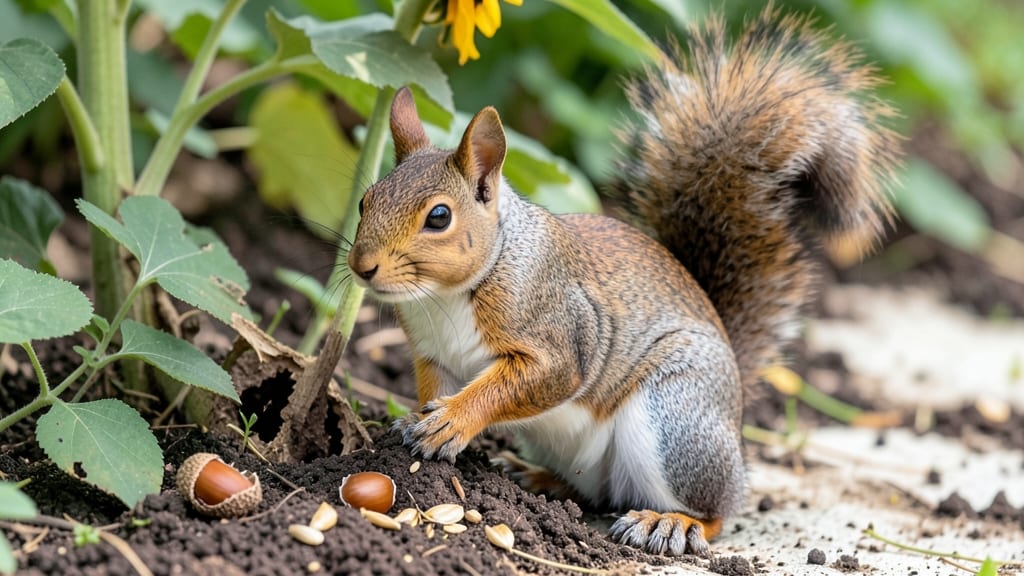
A squirrel control garden isn’t just a dream—it’s a battle where every trick counts, from clever deterrents to last-resort defenses. ✨ I’ve lost entire rows of planted seeds and half-eaten harvests to them, but after years of trial and error, I’ve found humane deterrents that actually work without chemicals or traps.
The key is combining physical barriers with natural repellents that squirrels hate—think sharp-edged materials, strong scents, and plants they avoid. You don’t need expensive tools: a few $5 supplies from the hardware store and some strategic placement can make your garden off-limits to these acrobats.
The best part? These methods protect your plants and keep the squirrels alive to bother someone else.
By the end of this, you’ll spot damage early, install deterrents that last all season, and watch your garden thrive without constant battles. No more waking up to chewed seedlings or dug-up bulbs—just peace of mind and a productive harvest you can actually enjoy.
Works for vegetable gardens, flower beds, and even bird feeders—no matter where they’re causing chaos. Let’s get your garden back from those bushy bandits for good.
📚 In This Guide
- What you need
- Instructions
- Tips and common mistakes
- Wrapping up and next steps
What you need
- ● Physical Barriers: 1–2 rolls of hardware cloth (1/4" mesh, 4' x 10') for raised beds or vulnerable areas.
- ● Galvanized chicken wire (1/2" mesh, 4' x 50') for temporary or larger sections.
- ● Sturdy tree guards (6–12", 18–24" tall) for young trees/shrubs.
- ● Repellents (Non-Toxic): 1–2 bottles of hot pepper wax (e.g., Hot Stuff) or cayenne pepper spray.
- ● 1 gallon of vinegar + water mix (1:3 ratio) in a spray bottle.
- ● 5–10 predator urine granules (coyote/fox, for scare tactics).
- ● Scare Tactics: 1–2 reflective tape/discs (for hanging on trees/fences).
- ● 1 wind chime or old CDs (to create noise).
- ● 1–2 motion-activated sprinklers (e.g., ScareCrow).
- ● 1–2 decorative spikes (plastic, for ledges/roofs—humane and squirrel-proof).
- ● Citrus or garlic-based sprays (DIY or store-bought).
- ● 1 pruner or shears (for trimming squirrel-accessible branches).
- ● 1 gloves (for handling spicy repellents or thorny barriers).
Step-by-Step instructions for creating a squirrel-resistant garden layout
Here's how to design your garden so squirrels see it as a no-go zone—without traps or poisons.
🌱 Step 1: Choose Tall, Dense Plantings as Natural Barriers
Squirrels avoid areas where they can't see their predators or easy escape routes. Plant tall, dense shrubs like boxwood, holly, or privet in 4-foot-high clusters along garden edges. These create visual and physical barriers that discourage foraging. I space mine 3 feet apart in rows to form a continuous hedge effect—squirrels won't risk navigating through tight spaces.
For vegetable gardens, interplant corn or sunflowers (both grow 6+ feet tall) among vulnerable crops. The height alone deters squirrels, who prefer low-hanging snacks. If you have small trees, like fruit trees, add thorny understory plants such as blackberries or raspberries—the thorns make access difficult.
🪴 Step 2: Install Physical Deterrents at Plant Level
Use chicken wire or hardware cloth (with ½-inch mesh) to create low, temporary cages around new plantings. Bend the wire into 4-6 inch tall cylinders and press them 1-2 inches into the soil around each plant. Squirrels can't dig under or climb through the gaps, but your plants can still grow unhindered. I leave these in place until roots establish—usually 6-8 weeks—then remove them.
For container gardens, place pots on saucers filled with water (squirrels hate wet feet) or elevate them on brick stands. If squirrels are persistent, wrap plastic tree guards around individual stems—just ensure ventilation holes are too small for them to chew through.
☀️ Step 3: Use Motion-Activated Deterrents Strategically
Position motion-activated sprinklers (set to 3-5 second bursts) near high-traffic squirrel areas, like bird feeders or garden edges. The sudden spray startles them without harm. I place mine 10-12 feet apart in a grid pattern—squirrels learn to avoid zones where they get drenched unexpectedly. For small gardens, a single unit near the entry point works wonders.
Avoid ultrasonic devices—they’re ineffective for squirrels. Instead, try reflective tape or old CDs hung from strings. The flashing light confuses their spatial awareness, making them think the area is unsafe. Hang these 3-4 feet high where squirrels typically jump or land.
✂️ Step 4: Remove Food Sources and Hide Attractants
Squirrels target gardens because they’re easy meals. Remove all fallen fruit, nuts, or seeds daily—even a few scattered acorns can lure them in. I sweep up debris twice a week and store compost bins with tight-fitting lids (squirrels can pry them open). If you have bird feeders, place them 20+ feet from garden edges and use squirrel-proof feeders with weighted perches they can’t balance on.
For fruit trees, wrap tree trunks with aluminum foil (the noise and texture deter chewing). Squirrels also avoid strong-smelling herbs like mint or rosemary—plant these in small clusters near vulnerable areas. The scent masks the aroma of your crops, making the garden less appealing.
💧 Step 5: Maintain Consistent Water and Sound Distractions
Squirrels dislike wet environments. Install a drip irrigation system on a low setting near garden borders—even a faint mist keeps them away. Pair this with wind chimes or a small solar-powered radio playing light classical music (squirrels find high-pitched sounds irritating). Place these 5-6 feet high where squirrels frequent.
Finally, rotate deterrents seasonally. What works in summer (like motion sprinklers) may need backup in winter (like reflective tape). Consistency is key—squirrels adapt quickly, so mix up your strategies every 4-6 weeks to stay ahead.
Tips & tricks for a squirrel-proof garden without chemicals
These practical strategies will help you create a garden that squirrels avoid naturally—without resorting to harmful methods.
Plant Placement Matters: When arranging your 4-foot-high clusters of boxwood, holly, or privet in Step 1, create a staggered pattern rather than straight lines. This disrupts their ability to assess escape routes and makes the garden feel like a maze they’d rather avoid. For vegetable gardens, plant corn or sunflowers at the perimeter first—they’ll act as a natural perimeter defense. I’ve found that adding thorny understory plants like blackberries near fruit trees creates a double barrier they won’t attempt to navigate.
Physical Barrier Pro Tips: In Step 2, when installing your 4-6 inch tall chicken wire cylinders, bury the bottom edge 2-3 inches deep—this prevents squirrels from digging underneath. For container gardens, I’ve had the most success with brick stands—place them on 1-inch thick rubber mats to prevent moisture wicking that could rot your pots. The key is making access physically impossible without making the environment inhospitable for your plants.
Motion Deterrent Placement: The 3-5 second bursts from motion-activated sprinklers in Step 3 work best when positioned 6-8 feet above ground level—this targets their jumping height. I’ve noticed squirrels quickly learn to avoid areas where they get sprayed, so I rotate sprinkler locations every 4 weeks to maintain effectiveness. For reflective tape or CDs, hang them on strings at 3-foot intervals—the flashing light creates a disorienting effect when they jump between plants.
Seasonal Strategy Rotation: Squirrels adapt quickly, so the 4-6 week rotation of deterrents in Step 5 is critical. In summer, focus on motion sprinklers and drip irrigation, but switch to aluminum foil wraps and wind chimes in winter when they’re more desperate for food. I keep a log of which deterrents work best each season to adjust my approach—this prevents them from becoming accustomed to any single method.
Pro Tips for Squirrel Control Garden
- These practical strategies will help you create a garden that squirrels avoid naturally—without resorting to harmful methods.
- Plant Placement Matters: When arranging your 4-foot-high clusters of boxwood, holly, or privet in Step 1, create a staggered pattern rather than straight lines.
- Physical Barrier Pro Tips: In Step 2, when installing your 4-6 inch tall chicken wire cylinders, bury the bottom edge 2-3 inches deep—this prevents squirrels from digging underneath.
Frequently asked questions
Got questions about keeping squirrels out of your garden without harming them? You’re not alone! Here are some of the most common concerns—and straightforward answers to help you take action.
What’s the most effective humane squirrel deterrent for gardens?
Combine multiple methods for best results: spiky tree guards (to block climbing), motion-activated sprinklers (startling but harmless), and peppermint oil-soaked cotton balls (squirrels hate the scent). Repurpose chicken wire around vulnerable plants like bulbs or berries—it’s cheap and reusable!
How long does it take to see results with these methods?
Patience is key! Some squirrels may leave within 24–48 hours of using strong deterrents like ultrasonic devices or pruned branches (removing their access points). Others might take 1–2 weeks to adjust—consistency is critical. Track progress by checking for new damage or signs of activity (e.g., chewed bark or scattered seeds).
Are there affordable DIY squirrel control options?
Try these budget-friendly fixes:
- Coffee grounds sprinkled near entry points (caffeine deters them naturally).
- Hot pepper spray (mix cayenne + water + dish soap—reapply after rain).
- Reflective tape or old CDs hung from trees (the flashes confuse them).
Will squirrels eventually stop coming back if I use deterrents?
Yes—but it depends on the method. Temporary fixes (like peppermint oil) may need weekly reapplications, while permanent barriers (e.g., buried wire around raised beds) offer long-term protection. Squirrels are creatures of habit, so if they find no food or easy access, they’ll move on. Combine deterrents with removing attractants (like fallen fruit or birdseed) for best results.
What should I do if squirrels are already nesting in my garden?
First, avoid disturbing them—especially during breeding season (spring/summer). Instead:
- Seal entry points with steel wool or hardware cloth (they can’t chew through it).
- Wait until fall or winter (when young are independent) to relocate them humanely. Contact a wildlife rehabilitator for guidance.
- Pro tip: Offer an alternative nesting site (like a wooden squirrel box far from your garden) to encourage them to relocate voluntarily.
Wrapping up and next steps
Keeping squirrels at bay in your garden doesn’t have to mean harsh chemicals or traps—humane deterrents like spicy sprays, motion-activated sprinklers, and strategic plant choices can make a real difference!
With the right tools and a little consistency, you’ll create a space that’s both squirrel-resistant and welcoming for your plants. Start small, test what works best in your yard, and soon, you’ll have a garden thriving without unwanted furry visitors.
Ready to take action? Pick one method today and observe the change! 🌱✨