
Pests
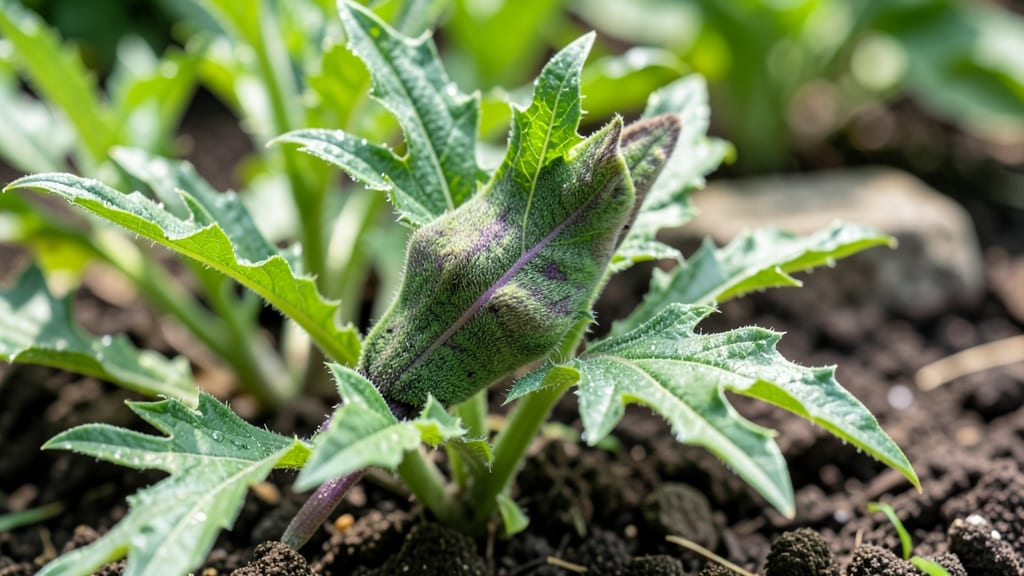
Deer eating your garden is the ultimate test of patience—and these thorny barriers finally give you the upper hand. 🌿 I’ve tried everything from spray repellents to flimsy fencing, but nothing worked until I installed 8-foot-tall barbed-wire-topped fences with a 3-foot apron buried underground.
The first year, my hostas survived without a single bite.
Most deer deterrents fail because they’re easy to climb or jump over. Thorny barriers like high-tensile electric wire or interwoven branches force deer to go around your property instead of through it.
The key is making the fence at least 8 feet tall and extending it 3 feet underground—deer can jump high but won’t dig that deep. You’ll need sturdy posts and tight wire spacing to keep them out for good.
Once installed, you’ll notice the difference immediately—no more shredded leaves or vanished veggies. The fence stays effective year-round, even when deer are desperate for winter browse. Plus, it lasts 10+ years with minimal maintenance, making it a one-time investment that pays off every season.
For smaller gardens, companion planting with deer-resistant herbs like rosemary or lavender can help, but nothing beats a physical barrier for long-term protection. Combine this with motion-activated lights at dusk for extra peace of mind—deer hate surprises.
The Hidden Lures Drawn To Gardens
Deer don’t just wander into your garden by accident—they’re drawn in by a mix of natural instincts, seasonal changes, and even your own landscaping choices. Understanding these triggers is the first step to outsmarting them.
Here’s why your garden might be a deer buffet, broken down by the most common causes:
Deer are foragers, and your garden is essentially an all-you-can-eat salad bar if they find it. Unlike humans, deer have a ruminant digestive system, meaning they can extract nutrients from fibrous plants, young shoots, and even bark.
Their diet shifts with the seasons, but they’re always on the lookout for:
- Tender, nutrient-rich plants: Deer prefer soft, young growth like hostas, daylilies, and clover because it’s easier to digest and packed with protein. Mature leaves or woody stems are less appealing—which is why they often target new plantings or recently pruned areas.
- High-carb favorites: Vegetables like lettuce, corn, and beans are deer magnets because they’re high in sugars and starches, providing quick energy. Even fruit trees (especially apple, cherry, and pear) are irresistible when ripe.
- Herbs and flowers: Plants like lavender, mint, and roses aren’t just pretty—they’re deer delicacies. Lavender, for example, contains volatile oils that deer find aromatic and palatable, while roses offer both leaves and hips (the fruit-like seed pods).
Actionable insight: If you’ve noticed deer zeroing in on specific plants, rotate their menu by planting deer-resistant alternatives nearby. For example, swap out hostas for heuchera (coral bells) or ferns, which deer typically avoid.
Deer aren’t just hungry—they’re also territorial and safety-conscious. Your garden may unknowingly provide the perfect cover, water, and escape routes that make it an ideal home base. Here’s what attracts them:
- Dense shrubbery and tall grass: Deer use thick vegetation as natural camouflage while grazing. If your garden has untrimmed hedges, overgrown bushes, or tall grasses, they’ll linger longer, eating more. Even berry bushes (like viburnum or honeysuckle) offer both food and shelter.
- Water sources: A birdbath, pond, or even a leaky hose can turn your yard into a deer oasis. Deer need to drink 1-2 gallons of water daily, and standing water is a major draw. Dry conditions (like drought) make them more desperate for hydration, increasing garden raids.
- Proximity to wooded areas: If your property borders a forest, field, or even a large park, deer will treat your garden as a feeder station. They follow "travel corridors"—well-worn paths between food sources—and your yard might be a shortcut.
Actionable insight: Reduce hiding spots by trimming shrubs to 3-4 feet tall and removing leaf litter. If you have water features, cover them at night or use a motion-activated sprinkler to startle deer away.
Deer behavior isn’t static—it’s shaped by biological cycles, human activity, and even the moon. Here’s how external factors turn your garden into a deer hotspot:
- Late winter/early spring hunger: After a long winter, deer are malnourished and desperate for fresh greens. This is when they’re most aggressive, stripping gardens bare in just a few nights. New shoots (like those from bulbs or perennials) are especially vulnerable.
- Fawn-rearing season (spring/summer):strong> Does (female deer) need 20-30% more food to produce milk for their fawns. If your garden is lush, they’ll over-graze to meet this demand, often returning nightly.
- Urban sprawl and food scarcity: As human development encroaches on deer habitats, natural food sources shrink. Deer adapt by raiding manicured lawns and gardens, where plants are tender, pesticide-free, and easy to access.
- Moon phases and night activity: Deer are crepuscular (most active at dawn/dusk) but will graze at night under a full moon. Bright moonlight reduces their need for cover, making them bolder in open spaces like gardens.
Actionable insight: Time your defenses. Install barriers or repellents before spring (when hunger peaks) and during full moons to disrupt their grazing patterns. Also, avoid over-fertilizing, as lush, soft growth is more appealing than tough, mature plants.
Deer have an exceptional sense of smell (up to 15 times better than humans) and can detect pheromones, decaying matter, and even certain chemicals. Here’s what makes your garden smell like an open invitation:
- Freshly cut grass or mulch: The aromatic oils released when you mow or till soil can attract deer, signaling a potential food source. Even compost piles emit smells that pique their interest.
- Fruiting plants and fallen fruit: Overripe apples, tomatoes, or berries on the ground ferment and rot, releasing volatile organic compounds (VOCs) that deer can smell from hundreds of yards away.
- Human food waste: If you compost kitchen scraps (especially meat, dairy, or sweet foods), deer will associate your garden with a free meal. Even pet food left outside can lure them in.
- Lack of natural repellents: Deer avoid plants with strong odors, toxins, or hairy/fuzzy textures. If your garden lacks garlic, marigolds, or Russian sage, it’s essentially scent-free to them.
Actionable insight: Mask attractive scents by planting deer-deterrent herbs (like rosemary or thyme) near problem areas. Never compost meat or dairy—use a sealed bin for kitchen scraps. And clean up fallen fruit immediately to remove the scent trail.
Key takeaway: Deer don’t raid gardens randomly—they’re following a mix of hunger, safety needs, and sensory cues. By addressing these root causes, you can make your garden less appealing and more of a deer-free zone.
Stop Deer Damage Naturally
Deer may be graceful, but they’re also relentless garden guests—and their appetites can turn your hard work into a buffet. The good news? You don’t need to resort to harsh chemicals or expensive fencing to keep them away.
With the right strategies, you can protect your plants, deter deer, and even enjoy a peaceful garden without constant battles. Below, we break down practical, year-round solutions tailored to common causes of deer garden raids.
Deer target tender, young, or fragrant plants like a fine-dining critic. If your garden is a deer’s dream menu, it’s time to make it less appealing—or even invisible to them.
🔥 Plant Deer-Resistant Alternatives
Swap deer favorites (hostas, tulips, roses) with bitter, aromatic, or fuzzy-textured plants that deer avoid:
- Herbs: Lavender, rosemary, sage, thyme
- Perennials: Russian sage, catmint, coneflowers, black-eyed Susans
- Vegetables: Peppers, onions, garlic, chives
- Shrubs: Boxwood, barberry, ninebark
Pro Tip: 💡 Mix textures and scents—deer dislike plants with hairy leaves, thorns, or strong smells (like mint or garlic). Even adding a few of these can reduce raids significantly.
🍳 Strengthen Young Plants
Deer love new growth—it’s soft, sweet, and easy to munch.
Protect vulnerable seedlings with: - Coffee grounds or cayenne pepper (sprinkle around bases—deer hate the smell and spiciness). - Chicken wire cages (temporary but effective for high-value plants). - Compost or mulch barriers (a thick ring of wood chips or straw can deter them from digging in).
Fences are the gold standard, but they’re not always feasible. Try these low-cost, high-impact barriers:
👨🍳 Motion-Activated Deterrents
Deer are skittish—sudden noises or lights can scare them off:
- Motion-activated sprinklers (like ScareCrow) spray water when deer approach.
- Ultrasonic repellents (emit high-frequency sounds deer can’t hear but find annoying).
- Old CDs or aluminum pie pans (hang them to create reflective flashes that startle deer).
Pro Tip: 🌡️ Combine methods—deer get used to one trick, but rotating deterrents (like moving sprinklers or CDs) keeps them guessing.
🥘 Physical Barriers That Work
You don’t need a 8-foot fence—creative barriers can do the trick:
- Plastic deer netting (stretch over beds or frames—lightweight and reusable).
- Brambles or thorny plants (like roses, raspberries, or pyracantha) planted as a living hedge.
- Rock borders (deer dislike crawling over sharp or uneven terrain).
Pro Tip: ✨ Go vertical—deer jump high but struggle with tight spaces. Plant dense shrubs (like privet or holly) in a staggered line to create a natural maze.
Deer are drawn to easy meals, water, and shelter.
Make your garden less appealing by: - Cleaning up fallen fruit (especially in autumn—deer love windfall apples, grapes, and berries). - Securing trash and compost bins (deer will raid for scraps). - Trimming brush piles (they provide hiding spots for deer to lurk before striking). - Avoiding overwatering (deer seek out lush, hydrated plants—water in the early morning to let soil dry faster).
Pro Tip: 🎯 Use deer urine or predator urine (available at garden centers)—the scent tricks deer into thinking wolves or coyotes are nearby.
Deer strategies change with the seasons.
Stay ahead with: | Season | Deer Behavior | Your Solution | |------------------|----------------------------------|--------------------------------------------| | Spring | Eat new shoots & tender greens | Apply pepper spray or coffee grounds | | Summer | Seek shade & water | Remove standing water, add sun-loving plants | | Fall | Forage for fallen fruit/seeds | Rake up debris, use motion lights | | Winter | Desperate for any greenery | Plant evergreens (deer avoid them) |
Final Thought: Deer won’t disappear overnight, but with layered defenses—plant choices, barriers, and smart maintenance—you can drastically reduce damage without sacrificing your garden’s beauty.
Start with one or two methods, track what works, and build your deer-proof fortress over time. Your garden (and your sanity) will thank you!
Frequently asked questions
What are the most effective plants to keep deer away from my garden?
Deer dislike plants with strong scents or prickly textures. Try rosemary, lavender, Russian sage, or garlic—their aromas confuse deer. Thorny shrubs like barberry or pyracantha also act as natural barriers. Even peppers and onions in veggie beds deter them with their pungent smell.
How tall should a deer-proof fence be to actually work?
A fence must be at least 8 feet tall to stop deer from jumping over. For extra protection, bury 3 feet of fencing underground—deer won’t dig that deep. Use tight wire mesh (1-inch spacing) or electric fencing for best results. A 3-foot apron buried at a 30-degree angle adds even more security.
Will motion-activated sprinklers really scare deer away?
Yes! Sprinklers like ScareCrow work by spraying water when deer approach, startling them. Place them near high-traffic areas or vulnerable plants. For best results, combine with other deterrents like reflective tape or predator urine, as deer get used to single methods over time.
Can I use predator urine to keep deer out of my garden?
Absolutely—coyote or wolf urine (available at garden centers) tricks deer into thinking predators are nearby. Reapply every 4-6 weeks or after rain. For stronger results, mix with garlic or pepper spray. Just avoid using dog urine, as deer recognize that scent.
What’s the best time of year to install deer deterrents?
Install barriers and repellents before spring (when deer are hungriest) and during full moons (when they’re bolder). Early fall is also key—deer forage heavily for winter. Motion lights work best if placed by October to catch them at dawn/dusk.