
Pests
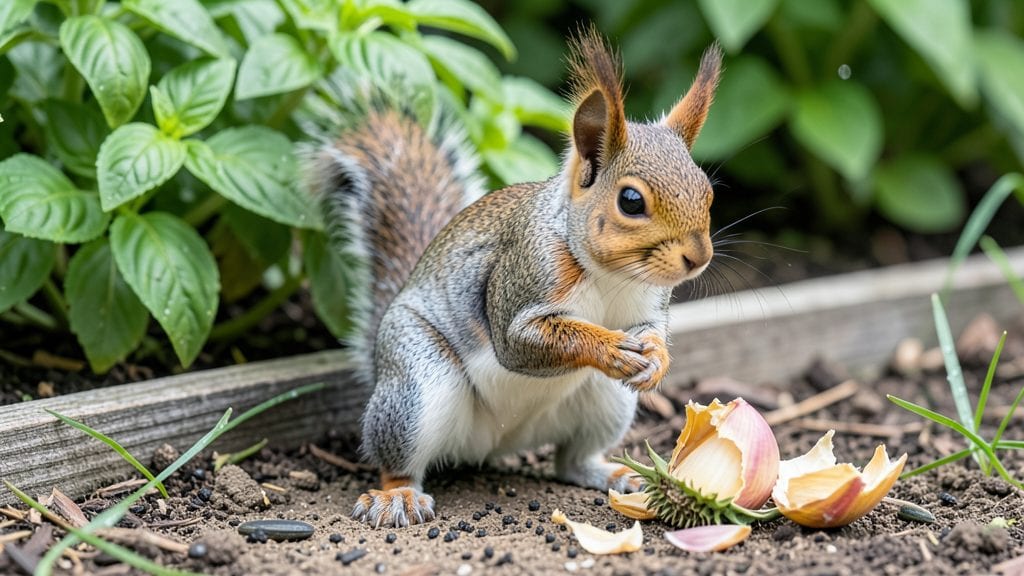
Even with squirrel damage in my garden, this little corner remains my best-kept secret. Squirrels love it more than I do—and that’s a problem. 🌱 They dig up bulbs, strip seeds, and chew through tender plants like they’re running a buffet.
After losing half my spring planting to these bushy bandits, I finally found barriers that actually work without harming them.
The key is combining physical deterrents with natural repellents. Chicken wire wrapped around raised beds keeps them out, while motion-activated sprinklers startle them away.
I’ve also had success with cayenne pepper sprays (mix it with water and a little dish soap) and planting squirrel-proof alternatives like daffodils or alliums near vulnerable crops.
You’ll see results fast—fewer dug-up rows, more intact seedlings, and a garden that stays yours. The squirrels might still visit, but they’ll move on to easier snacks. Here’s how to make your garden their last stop.
Works for vegetable patches, flower beds, and even container gardens. No traps, no cruelty—just smart solutions that protect your hard work. Let’s get those critters out of your garden for good.
Root Causes Of Garden Raids
Squirrels aren’t just cute, bushy-tailed visitors—they’re opportunistic foragers with instincts finely tuned to exploit your garden’s bounty. Understanding why they strike is the first step to outsmarting them. Here’s a breakdown of the key triggers, backed by science and actionable insights.
Squirrels are granivores (seed-eaters) with an insatiable appetite for high-energy foods. When natural food sources—like acorns, nuts, or wild berries—become scarce (e.g., during late winter or drought), they turn to easily accessible alternatives: your garden.
- Scientific hook: Studies show squirrels cache up to 10,000 seeds per year (per individual!) to survive lean seasons.
If your garden offers unsecured bulbs, ripe fruit, or birdseed, it becomes a high-value buffet. - Actionable red flags: - Overripe tomatoes, peppers, or berries left on vines. - Uncovered compost piles or fallen nuts under trees. - Bird feeders overflowing with spilled seed (a squirrel’s dream).
Pro tip: 💡 Squirrels prioritize high-calorie, easy-to-digest foods—think sunflower seeds over leafy greens. Remove these temptations to reduce raids.
Squirrels aren’t just eating—they’re building.
Tree squirrels (like gray or red squirrels) often strip bark, shred insulation, or dig holes in gardens to: - Create nests (drays) for raising young. - Store food in hidden caches (they forget ~60% of their stashes, but they’ll keep digging). - Escape predators by burrowing near dense vegetation.
- Scientific hook: Research from Journal of Mammalogy found that female squirrels double their foraging efforts during breeding season (spring/summer) to gather nesting material and food for offspring.
- Actionable red flags:
- Chewed bark on young trees or shrubs.
- Piles of shredded leaves, twigs, or insulation near foundations.
- Freshly dug holes in mulch or garden beds.
Pro tip: 🌡️ Timing matters: Peak nesting season (March–August) is when squirrels are most destructive. Monitor these months closely.
You might not realize it, but common gardening practices send squirrels a clear message: “This place is easy pickings.” Here’s how:
| Your Action | Why It Attracts Squirrels | Fix It |
|---|---|---|
| Leaving fallen fruit/veggies | Mimics natural food drops (e.g., apples, squash). | Pick up debris daily. |
| Planting squirrel favorites | Hostas, tulips, and corn are top targets. | Choose squirrel-resistant plants. |
| Overwatering garden beds | Soft, moist soil = easier digging for buried caches. | Keep soil firm in high-risk areas. |
| Feeding birds without caution | Spilled seed creates a squirrel magnet. | Use squirrel-proof feeders. |
- Scientific hook: A study in Urban Wildlife Journal found that gardens with bird feeders had 4x more squirrel damage than those without.
- Actionable red flags:
- Sudden increase in squirrel sightings after adding a feeder.
- Newly dug trenches in lawns or garden beds.
Pro tip: ✨ Disrupt their routine: Move feeders 10+ feet from trees/shrubs and elevate them to make access harder.
Urbanization and deforestation have squeezed squirrel territories, pushing them into backyards.
When their natural habitat shrinks: - They compete aggressively for food in remaining green spaces. - They adapt to human-altered environments, like gardens, with increased boldness. - Young squirrels (juveniles) are the most destructive—they lack survival skills and eat anything edible to learn foraging habits.
- Scientific hook: The National Wildlife Federation reports that urban squirrel populations grow 20–30% faster than rural ones due to abundant food sources.
- Actionable red flags:
- Squirrels active during the day (normal for urban squirrels; rural ones are crepuscular/nocturnal).
- Multiple squirrels working together to raid a single plant (a juvenile “gang” tactic).
Pro tip: 🎯 Block entry points: Install hardware cloth (not chicken wire) around vulnerable areas—squirrels can gnaw through weak barriers.
Stop Squirrels from Ruining Your Garden
Squirrels may be adorable, but their relentless digging, chewing, and snacking can turn your garden into a battleground. The good news? With the right strategies, you can outsmart these furry pests and protect your plants, bulbs, and hard work.
Below, we’ve mapped out practical, squirrel-proof solutions based on the most common causes of garden damage—plus prevention tips to keep them away for good.
Squirrels love to bury and steal bulbs like tulips, daffodils, and crocuses—only to dig them up later (or eat them on the spot). Here’s how to stop them:
🌱 Use Physical Barriers
- Chicken Wire or Hardware Cloth: Bury a 12-inch-deep barrier (at least ¼-inch mesh) around bulb beds. Squirrels can’t dig through it, and it’s nearly invisible once planted.
- Wire Cages: For high-value bulbs, wrap individual bulbs in wire mesh before planting.
Secure the top with twist ties. - Plastic Tree Guards: Repurpose large plastic cones (like those for young trees) over bulb beds. Cut a hole for stems and secure with stakes.
🧂 Deter with Strong Scents
Squirrels hate hot pepper, garlic, or predator urine (coyote or fox urine works best). Sprinkle cayenne pepper around the garden or soak cotton balls in predator urine and place them near digging spots.
🌿 Plant Squirrel-Confusing Alternatives
- Alliums (onions, garlic, chives): Their strong smell masks bulb fragrances.
- Daffodils: Toxic to squirrels—plant them near other bulbs as a natural repellent.
- Fritillaries: Unappealing to squirrels but beautiful in gardens.
💡 Pro Tip: If you must plant squirrel favorites, scatter a few squirrel-proof bulbs (like daffodils) among them—squirrels may get confused and leave the whole batch alone!
Squirrels don’t just dig—they munch on young shoots, fruits, and even bark. Here’s how to protect your crops:
🛡️ Cover Young Plants
- Floating Row Covers: Use lightweight fabric covers (like Reemay) over seedlings.
Secure edges with rocks or soil to prevent squirrels from burrowing underneath. - Individual Cages: For tomatoes, peppers, or berries, use wire mesh cages (like those for artichokes) or old fish nets draped loosely over plants.
🌟 Use Reflective Objects
Squirrels are wary of unpredictable movements. Hang:
- Old CDs or aluminum pie pans on strings near trouble spots.
- Wind chimes or solar-powered spinners to create erratic reflections.
🚫 Block Access to Trees & Shrubs
- Trunk Guards: Wrap metal tree collars (or even plastic wrap) around young tree trunks to prevent bark stripping.
- Prune Low Branches: Squirrels use branches as highways—keep them at least 6 feet off the ground.
✨ Pro Tip: If squirrels are after fruit trees, try spraying bitter apple spray (pet-safe) on branches—they’ll avoid the taste!
Squirrels may build nests in sheds, under decks, or even in hanging baskets. Disrupt their real estate with these tricks:
🏠 Remove Attractants
- Secure Trash Cans: Use bungee cords or locks to keep lids shut.
- Clean Up Fallen Nuts: Rake up acorns, walnuts, and pecans—these are squirrel magnets.
- Store Birdseed Properly: Use metal or squirrel-proof feeders with baffles to block access.
🏗️ Seal Entry Points
- Check for Gaps: Squirrels can squeeze through holes as small as 2 inches.
Use steel wool + caulk to block them. - Install One-Way Doors: For attics or sheds, use escape-only exits (like squirrel-proof vents) to let them leave but not return.
🌪️ Disrupt Nesting Sites
- Remove Old Nests: If you find a nest in a tree or bush, gently remove it (wear gloves—squirrels may return aggressively).
- Use Motion-Activated Sprinklers: Devices like the Orbit Enforcer spray water when squirrels approach—they hate getting wet!
💡 Pro Tip: If squirrels are nesting in hanging baskets, switch to heavier, wider pots—they can’t chew through thick clay or ceramic.
The best defense? Make your garden the last place squirrels want to visit.
| Problem | Solution | Why It Works |
|---|---|---|
| Easy Access to Food | Remove fallen fruit, nuts, and seeds | Eliminates their food source |
| Soft Soil for Digging | Mulch heavily or use gravel | Makes digging difficult |
| Lack of Predator Fear | Place fake owls or snakes | Mimics natural predators |
| Boring Landscape | Add catnip or mint (squirrels hate it) | Creates an unwelcoming scent |
🎯 Final Tip: Rotate your methods—squirrels get used to tricks! Mix up scents, barriers, and deterrents seasonally for best results.
By combining physical barriers, scent deterrents, and smart landscaping, you can outsmart squirrels without harming them. Try one or two methods this season and watch your garden thrive—squirrel-free!
Frequently asked questions about squirrel damage in gardens
What are the most common signs of squirrel damage in my garden?
Look for freshly dug holes in flower beds, chewed bark on young trees, missing or half-eaten fruits like tomatoes, and scattered seed shells near plants. You might also spot shredded mulch or nests made from twigs and leaves in unexpected places.
Are squirrels more destructive in spring or fall?
Both seasons bring peak activity! In spring, they raid gardens for nesting material and to feed young. In fall, they bury food caches and strip crops before winter. The worst months are typically March through October when food is scarce in nature.
Will pepper spray or hot sauce really keep squirrels away?
Yes, but with a few key tips: Use cayenne pepper spray (not just hot sauce) mixed with water and a drop of dish soap for adhesion. Reapply after rain, and avoid spraying plants directly. The scent confuses their sensitive noses, but they'll adapt if you don't refresh it regularly.
Can I use chicken wire to protect my vegetable garden?
Chicken wire works for some protection, but it's not foolproof—squirrels can gnaw through the smaller mesh. For better results, use hardware cloth (1/4-inch mesh) buried 12 inches deep around vulnerable areas. This creates a physical barrier they can't dig through or chew.
Are there any plants squirrels naturally avoid?
Yes! Squirrels dislike the strong scents of daffodils, alliums (onions, garlic, chives), and fritillaries. Planting these near vulnerable crops can act as natural deterrents. They'll often leave these alone and move on to easier targets in your garden.