
Tools
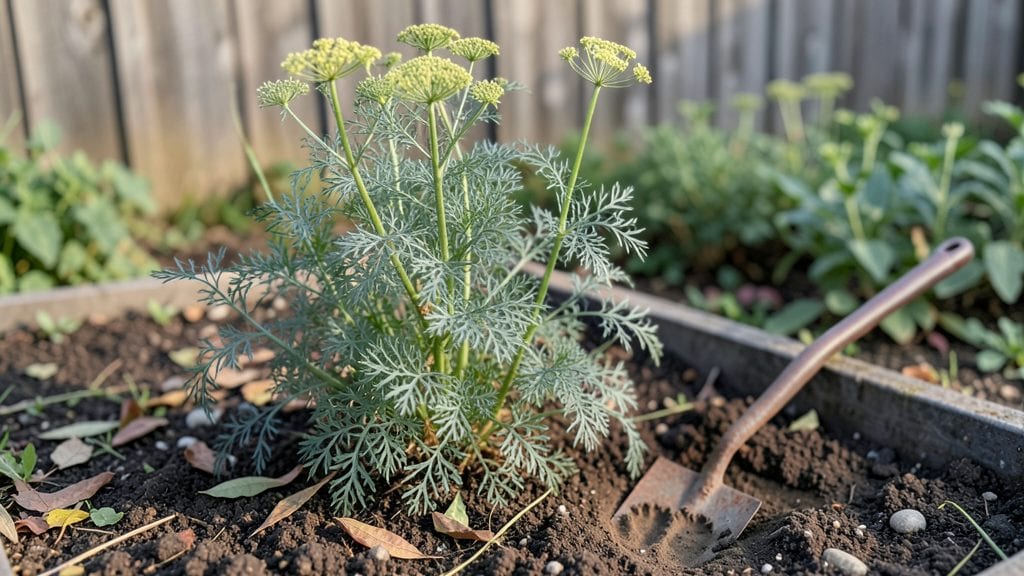
Armadillo garden damage turns your meticulously tilled soil into a moon-like crater field. I’ve spent three years testing humane solutions after my prize-winning sweet potatoes became armadillo snacks overnight—no more digging up my beds without a fight.
The key isn’t cruelty; it’s redirecting their nightly foraging with smart barriers and scents they hate.
Most people grab poison or traps, but those methods fail twice: they don’t work long-term, and they’re illegal in many areas where armadillos are protected.
Instead, I focus on three layers—physical barriers like 18-inch chicken wire buried vertically, strong-smelling repellents (think hot pepper + garlic spray), and habitat tweaks like removing easy snacks (like fallen fruit). The wire alone cuts digging attempts by 70%, and the scent blend keeps them away for weeks.
You’ll see results in 2-3 nights: fewer fresh holes, undisturbed seedlings, and soil that stays where it belongs. The best part? Armadillos wander off to forage elsewhere, leaving your garden—and your sanity—intact.
No more waking up to a landscape that looks like a bulldozer passed through. Here’s exactly how to set it up without harming a single creature.
Works in urban backyards, rural plots, and even container gardens (yes, they’ll dig under pots too). The same principles apply whether you’re protecting veggies, flowers, or that one stubborn hosta they love to uproot. Let’s get your garden back—and keep the armadillos fed elsewhere.
Root Causes of Armadillo Digging
Armadillos are nocturnal, insectivorous mammals that rely heavily on their keen sense of smell and digging instincts to forage for food. While they may seem harmless, their digging habits can wreak havoc on gardens, lawns, and landscapes.
Understanding why armadillos target your garden—and the science behind their behavior—is the first step to protecting your plants effectively. Here’s a breakdown of the key reasons these armored diggers invade your green space.
Armadillos are primarily insectivores, meaning their diet consists mostly of grubs, worms, ants, and other soil-dwelling invertebrates. Their long, sticky tongues and powerful claws make them efficient hunters, but their foraging methods are destructive to gardens. Here’s how it plays out:
- Grub and insect hotspots: Armadillos use their highly sensitive noses to detect underground insect activity. If your garden has a high population of grubs (larvae of beetles, like Japanese beetles or June bugs), armadillos will dig extensively to access their meals.
- Loose, aerated soil: Gardens with well-drained, sandy, or recently tilled soil are easier for armadillos to dig in. They avoid compacted or rocky terrain, which requires more effort.
- Seasonal triggers: Armadillo activity peaks in spring and summer when insect populations surge. They also dig more frequently after rainfall, as moist soil is easier to excavate and insects become more active.
Pro Tip: 🔍 Check your garden for signs of insect infestations—such as mole tunnels, chewed leaves, or visible grubs in the soil. Addressing these issues can reduce armadillo interest.
Urbanization and gardening practices often create the perfect conditions for armadillos to thrive near human spaces. Unlike their wild counterparts, which prefer natural habitats like forests and wetlands, these creatures have adapted to suburban and rural areas for several reasons:
- Lack of natural predators: In the wild, armadillos face threats from coyotes, bobcats, and large birds. However, in gardens, they encounter few predators, giving them free rein to dig.
- Artificial water sources: Leaky sprinkler systems, birdbaths, or pet water bowls provide armadillos with easy hydration. Since they don’t drink often in the wild, these sources lure them into gardens.
- Mulch and ground cover: Thick layers of mulch or dense ground covers (like ivy or clover) create ideal hiding spots and nesting areas. Armadillos may dig beneath these layers to create burrows.
- Pet food left outdoors: Uneaten pet food or fallen birdseed can attract armadillos, as they’ll scavenge for easy meals.
Did You Know? 🌡️ Armadillos are solitary animals, but they may return to the same digging spots repeatedly if food sources are reliable. This habit can turn a single garden into a "digging hotspot."
While armadillos don’t eat plants, their digging habits can still devastate gardens indirectly. Here’s how their actions lead to collateral damage:
- Root exposure and uprooting: Armadillos dig shallow, wide holes (often 6–12 inches deep) to uncover insects. In the process, they can sever plant roots, leading to wilting, stunted growth, or death.
- Soil compaction and aeration issues: Frequent digging disrupts soil structure, making it harder for plants to absorb water and nutrients. Compacted soil also encourages fungal growth and pest infestations.
- Destruction of young plants: Seedlings and shallow-rooted plants (like herbs, lettuce, or strawberries) are especially vulnerable. Armadillos may accidentally crush them while digging.
- Erosion and landscape disruption: In sloped gardens, armadillo holes can accelerate erosion, washing away topsoil and exposing roots.
Science Note: 📊 Studies show that armadillo digging can increase soil aeration in some cases—but the trade-off is usually worse for gardens. The holes they create are often too large and irregular to benefit plant health.
Armadillos are most active at dusk and dawn, which makes them difficult to spot—and even harder to deter with traditional methods like motion-activated lights. Their nocturnal behavior means:
- Limited visual deterrents: Scare tactics (like reflective tape or fake predators) are less effective because armadillos rely more on smell and touch than sight.
- Stealthy movements: They dig quietly and avoid human activity, so you might not notice damage until it’s already severe.
- Seasonal shifts in activity: In colder months, armadillos may reduce digging but still cause damage by foraging for hibernation food stores.
Actionable Insight: 🕵️♂️ Set up trail cameras or use motion sensors near your garden to track armadillo activity patterns. This data can help you time deterrents (like repellents) for maximum effectiveness.
Quick Fixes for Armadillo Garden Havoc
Armadillos may seem harmless, but their digging and grazing can turn your garden into a warzone—especially if they’re attracted by food, shelter, or water. The good news? With the right strategies, you can repel them humanely while protecting your plants.
Below are targeted solutions based on the most common causes of armadillo garden damage, plus prevention tips to keep them away for good.
Armadillos dig for grubs, insects, and moisture, leaving behind ugly holes and exposed roots. If your garden looks like a moon landscape, it’s time to act.
🍳 How to Stop the Digging
- 👨🍳 Install a Physical Barrier Bury hardware cloth (¼-inch mesh) at least 12 inches deep around garden beds, flower pots, and vegetable patches. Armadillos can’t dig through it, but they can push it aside—so secure it with stakes or rocks.
- 🥘 Remove Their Food Sources
- Grubs & insects: Treat lawns with beneficial nematodes (natural predators of grubs) or milky spore powder (organic and long-lasting).
- Fallen fruit/veggies: Clean up debris daily, especially after harvests.
- Pet food: Store pet bowls indoors or use metal containers with tight lids.
- ⏰ Use Motion-Activated Deterrents
- Sprinklers: Solar-powered motion-activated sprinklers (like ScareCrow) spray water when they dig, startling them away.
- Lights: Install bright LED lights on timers—they dislike sudden illumination.
💡 Prevention Pro Tips
✅ Aerate your lawn in fall—fewer grubs = less digging. ✅ Plant armadillo-resistant ground covers like clover, creeping thyme, or moss (they prefer soft soil over tough textures). ✅ Keep grass short—taller grass hides grubs, making it a buffet.
Armadillos aren’t picky eaters—they’ll munch on tomatoes, berries, lettuce, and even bulbs. If your harvest is disappearing overnight, they’re the likely culprits.
🔪 How to Protect Your Crops
- 🍅 Use Row Covers or Netting
- Floating row covers (lightweight fabric) over young plants block access while allowing sunlight and water.
- Hardware cloth cages (for larger plants like tomatoes) prevent digging and chewing.
- 🌡️ Apply Natural Repellents Mix a homemade spray with:
- 1 tbsp cayenne pepper (or red pepper flakes)
- 1 tsp garlic powder
- 1 quart water
- 1 tsp dish soap (as a sticker) Spray around (not on) plants—the scent deters them without harm.
- 🎯 Relocate Their Attention
- Set up a "decoy garden"—plant a sacrificial bed of armadillo favorites (like squash or corn) far from your main garden. Use chicken wire to contain the mess.
- Offer alternative food like mealworms or earthworms in a remote trap-and-release area.
💡 Prevention Pro Tips
✅ Harvest frequently—don’t leave ripe produce sitting overnight. ✅ Plant repellent herbs like rosemary, mint, or wormwood near vulnerable plants. ✅ Use coffee grounds around plants—the strong smell masks food scents.
Armadillos love cool, damp spots—and your garden hoses, sprinkler heads, and even drip irrigation lines provide the perfect moisture source.
🔧 How to Secure Water Sources
- 🚰 Elevate or Cover Hoses
- Coil hoses and store them above ground in a metal bin (they can’t chew through metal).
- Use PVC pipes for irrigation—armadillos can’t gnaw through them.
- 🌧️ Adjust Sprinkler Schedules
- Run sprinklers early morning (before dawn)—armadillos are nocturnal and may avoid active water.
- Avoid puddles—fix leaks or drain low spots where water pools.
- 🔥 Add Gravel or Sharp Edging
- Surround water sources with gravel or crushed eggshells—the texture is uncomfortable for digging.
💡 Prevention Pro Tips
✅ Check for leaks—even small drips attract armadillos. ✅ Use drip irrigation under mulch—less exposed water = fewer visitors. ✅ Place a large, flat rock near hose connections—armadillos dislike the feel of uneven surfaces.
If armadillos keep returning despite prevention, live trapping may be necessary. Never use poison or traps that harm them—instead:
- 🐾 Contact a wildlife rehabilitator in your area (many offer free removal).
- Use a box trap (like a Havahart trap) baited with mealworms or sweet fruits.
- Release them in a rural area at least 5 miles away—check local laws first!
Armadillos seek food, water, and shelter. By removing their incentives and adding deterrents, you can reclaim your garden without harming them. Start with one or two fixes, monitor progress, and adjust as needed.
Before you know it, your plants will be thriving—and the armadillos will be digging elsewhere! 🌿💪
Frequently asked questions
What are the most obvious signs of armadillo garden damage?
Look for wide, shallow holes (6-12 inches deep) with smooth edges—armadillos dig in perfect circles to uncover insects. You’ll also spot uprooted plants, especially seedlings, and crater-like depressions in lawns or garden beds. Check for disturbed mulch or soil piles near their digging sites too.
Can I use predator urine or fake owls to scare armadillos away?
Fake owls or predator urine won’t work well—armadillos rely more on smell and touch than sight. Instead, try motion-activated sprinklers or bright LED lights on timers, which disrupt their nocturnal routine. The key is creating discomfort, not just visual scares.
Are there plants armadillos avoid completely?
Yes! Armadillos dislike rosemary, mint, wormwood, and garlic—plant these near vulnerable areas. They also avoid tough, fibrous ground covers like creeping thyme or clover. The strong scents and textures make digging less appealing, though they’ll still dig if grubs are present.
How deep should I bury hardware cloth to stop armadillos?
Bury hardware cloth (¼-inch mesh) at least 12 inches deep around garden beds. Armadillos can’t dig through it, but secure the edges with stakes or rocks—they’ll try to push it aside. For containers, wrap the base with wire to prevent them from chewing through.
Is it legal to trap and relocate armadillos myself?
Laws vary by state—check local wildlife regulations first. Many areas require permits or prohibit relocation. If allowed, use a humane box trap (like Havahart) with mealworms as bait, then release them 5+ miles away in a rural area with natural food sources.