
Picking
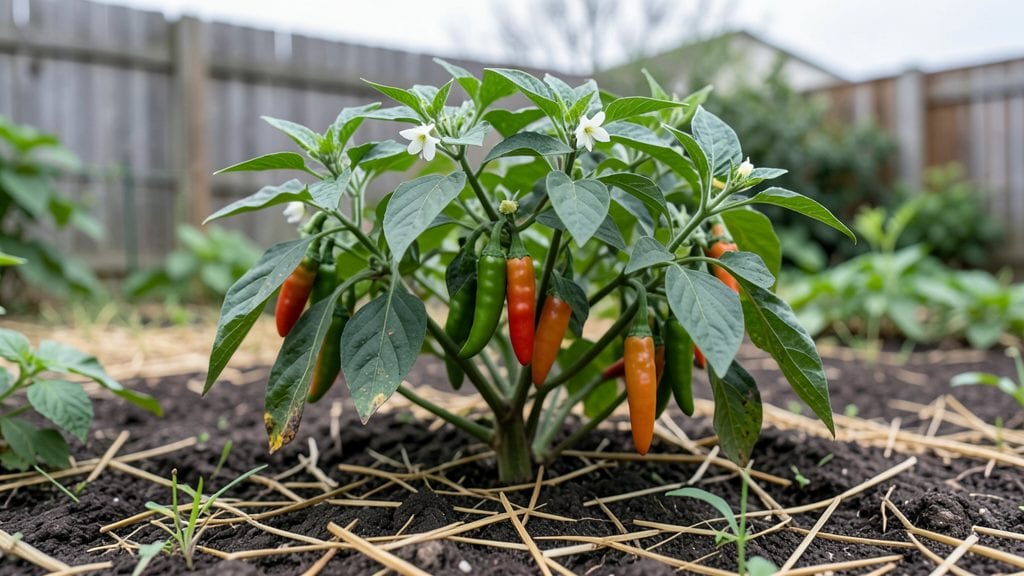
Cayenne pepper gardening transforms your kitchen into a fiery playground—nothing beats the thrill of harvesting homegrown heat that outshines any store-bought bottle. 🌶️ I’ve grown cayennes in containers and in-ground beds, and the difference between store-bought and homegrown is... night and day.
The secret starts with the right soil mix, a warm spot, and patience for those tiny seedlings to turn into heat-packed pods.
You’ll need well-draining soil (think 60% potting mix, 30% compost, and 10% perlite), a sunny location with at least 6-8 hours of direct sunlight daily, and consistent moisture—never soggy.
Cayennes thrive in 70-90°F temperatures, so start seeds indoors 8-10 weeks before your last frost or plant directly after soil warms. The first few weeks are critical: seedlings are delicate, and overwatering is the fastest way to kill them.
By mid-summer, you’ll be pinching off early blooms to boost plant strength, then watching clusters of tiny peppers turn from green to red—each one packing 30,000-50,000 Scoville units of heat.
The harvest lasts 6-8 weeks, and with proper drying or freezing, you’ll have homemade hot sauce, powders, or flakes all winter. The best part? No more guessing if your peppers are "hot enough"—you’ll know exactly how spicy your garden is.
Works in containers, raised beds, or in-ground plots, even in USDA Zones 7-11 with seasonal adjustments. Here’s how to avoid the three biggest mistakes—slow growth, low yield, and pests—that trip up new growers.
📚 In This Guide
- What you need
- Instructions
- Tips and common mistakes
- Wrapping up and next steps
What you need
- ● Cayenne pepper seeds: 10–20 seeds (or 2–3 starter plants if buying seedlings). Choose a variety like Cayenne Long Slim or Jalapeño M for a milder yet spicy option.
- ● Containers or garden bed: Containers: 5–10 gallon pots (1 per plant) with drainage holes.
- ● Garden bed: Full sun (6+ hours/day), well-draining soil, and space 18–24 inches apart.
- ● Potting mix: 5–10 gallons of high-quality, well-draining soil mix (e.g., 60% potting soil + 40% perlite or compost).
- ● Fertilizer: Balanced organic fertilizer (10-10-10 or 5-5-5 NPK ratio) or compost tea for a natural boost.
- ● Watering can or hose: With a gentle spray nozzle to avoid disturbing seedlings.
- ● Stakes or cages: 2–3 bamboo stakes or tomato cages (6–8 inches tall) per plant for support.
- ● Pruning shears: Sharp, clean pair for trimming (sterilize with rubbing alcohol between uses).
- ● Mulch: Straw or shredded leaves to retain moisture and suppress weeds.
- ● Grow lights: LED full-spectrum lights (if starting indoors before last frost).
- ● pH test kit: To check soil pH (ideal range: 6.0–6.8 for cayennes).
- ● Insect netting: To protect from pests like aphids or hornworms.
- ● Harvesting gloves: Thin nitrile gloves to handle spicy peppers without irritation.
Step-by-step instructions for growing cayenne peppers
Here's how to cultivate fiery cayenne peppers from seed to harvest—guaranteed to deliver the heat you crave.
🌱 Step 1: Start Seeds Indoors 8-10 Weeks Before Last Frost
Fill 2-3 inch deep seedling trays with moistened seed-starting mix, pressing it down lightly so it's firm but not compacted. Cayenne seeds need warmth to germinate, so place the tray on a seedling heat mat set to 75-85°F. Scatter seeds ¼ inch deep, spacing them ½ inch apart—they germinate quickly, so don't plant too densely.
Cover the tray with a humidity dome or plastic wrap to retain moisture and warmth. Check daily for condensation; if the dome fogs up, lift it for 10 minutes to prevent mold. Germination typically takes 7-14 days, but some stubborn seeds may take up to 3 weeks. Once sprouts appear, remove the dome immediately to avoid damping-off.
☀️ Step 2: Provide Warmth and Light for Strong Seedlings
Cayenne seedlings thrive under 14-16 hours of bright light daily. A south-facing window won’t cut it—supplement with a grow light positioned 2-4 inches above the plants. Keep soil consistently moist but never soggy; cayennes hate wet feet. When the first true leaves (not the initial seed leaves) appear, fertilize lightly with a balanced liquid fertilizer diluted to half strength.
Watch for leggy growth—a sign of insufficient light. If stems stretch thin and pale, lower the grow light or move the tray closer. Strong seedlings should have thick stems and dark green leaves. Harden off seedlings by gradually exposing them to outdoor conditions 10-14 days before transplanting, starting with 1-2 hours of shade and increasing daily.
🪴 Step 3: Transplant to the Garden After All Frost Risk Passes
Choose a sunny spot with 6-8 hours of direct sunlight and well-draining soil. Cayennes crave heat, so avoid cool, windy areas. Amend the soil with compost to enrich it before planting. Dig holes slightly larger than the root balls, spacing plants 12-18 inches apart in rows 18-24 inches apart to allow airflow and prevent disease.
Transplant seedlings in the late afternoon to reduce stress. Water deeply at the base to settle the soil and encourage root growth. Mulch around plants with 2-3 inches of organic mulch to retain moisture and suppress weeds. Avoid overhead watering, as wet foliage invites fungal issues like powdery mildew.
✂️ Step 4: Prune and Fertilize for Maximum Heat and Yield
Pinch off the first few flowers that appear to encourage bushier growth. Cayennes produce more peppers when energy focuses on foliage first. Once plants are established, fertilize every 2-3 weeks with a low-nitrogen, high-phosphorus fertilizer to boost fruiting. Water at the base 1 inch per week, adjusting for rainfall—drought stress reduces heat levels.
Watch for pests like aphids or spider mites, which thrive in dry conditions. Spray plants with water early in the morning to deter them. Harvest peppers when they reach your desired heat level—typically 3-4 inches long for cayennes. Cut stems with pruners to avoid damaging the plant, and wear gloves if you’re sensitive to capsaicin.
🌿 Step 5: Extend the Season with Proper Care
As temperatures drop below 50°F, protect plants with row covers or move containers indoors if growing in pots. Cayennes can tolerate light frosts if covered, but prolonged cold halts production. Prune back leggy growth and fertilize lightly to encourage a second flush of peppers in fall.
Harvest until the first hard frost, then bring remaining peppers indoors to ripen. Store them in a cool, dry place or dry them for later use. With the right care, you’ll enjoy a bountiful harvest of fiery cayennes—perfect for adding heat to your favorite dishes.
Tips & tricks for perfect cayenne pepper cultivation
These insider tricks will help you avoid common pitfalls and maximize your fiery harvest from seed to harvest.
Heat Matters: Cayenne seeds need consistent warmth to germinate—don't skimp on the 75-85°F heat mat. I've found that placing the tray on top of a refrigerator (which naturally generates heat) works surprisingly well if you don't have a dedicated heat mat. The key is maintaining that temperature range continuously, even at night. Once sprouts appear, keep them warm until they're ready for transplanting.
Lighting Secret: Those 14-16 hours of bright light are non-negotiable for strong seedlings. I've seen cayenne plants stretch like overgrown weeds when they don't get enough light—it's heartbreaking! Position your grow light just 2-4 inches above the plants and adjust as they grow. LED grow lights are more energy-efficient than fluorescent, and they produce less heat that could stress your seedlings.
Transplant Timing: The 10-14 days of hardening off before transplanting is crucial, but don't rush it. Start with just 1-2 hours of shade exposure and gradually increase. I've learned the hard way that moving seedlings directly from indoor warmth to full sun causes shock and stunted growth. Watch for dark green leaves and thick stems—they're ready when they look like little shrubs.
Soil Strategy: Cayennes hate soggy feet, so that 2-3 inches of organic mulch around mature plants isn't just for moisture retention—it's also a disease barrier. I recommend using straw mulch because it breaks down slowly and improves soil structure over time. And remember, well-draining soil is non-negotiable; these peppers won't tolerate sitting in water.
Pro Tips for Cayenne Pepper Gardening
- These insider tricks will help you avoid common pitfalls and maximize your fiery harvest from seed to harvest.
- Heat Matters: Cayenne seeds need consistent warmth to germinate—don't skimp on the 75-85°F heat mat.
- Lighting Secret: Those 14-16 hours of bright light are non-negotiable for strong seedlings.
Frequently asked questions
Got questions about growing cayenne peppers? You’re not alone—this fiery plant can be tricky for beginners! Here are answers to the most common questions to help you cultivate a successful harvest.
How long does it take for cayenne peppers to grow from seed?
Cayenne peppers typically take 70–90 days from transplant to harvest, depending on the variety. Start seeds indoors 8–10 weeks before your last frost date for an early jumpstart. If sowing directly outdoors, plant after all frost risk has passed and soil is warm (70°F+). Patience is key—rushing can stunt growth!
Can cayenne peppers survive frost?
Nope! Cayenne peppers are tropical plants and cannot tolerate frost. Even a light freeze (32°F) will kill them. Use row covers or grow them in containers to move indoors if temperatures dip. If frost hits, harvest what you can and compost the rest—better safe than sorry!
What’s the best companion plant for cayenne peppers?
Cayenne peppers thrive with basil, onions, garlic, and marigolds, which deter pests and improve flavor. Avoid planting near fennel or brassicas (like broccoli), as they can stunt growth. Pro tip: Interplant with herbs to maximize space and boost your peppers’ natural defenses!
Why are my cayenne peppers turning yellow or dropping?
Yellowing leaves or premature dropping often signal underwatering, overwatering, or nutrient deficiencies. Check soil moisture—peppers hate soggy roots but need consistent water (1–1.5 inches per week). Lack of calcium (blossom end rot) or nitrogen (pale leaves) can also cause issues. Feed with a balanced fertilizer and mulch to retain moisture.
Can I grow cayenne peppers in containers?
Cayenne peppers adapt well to containers as long as the pot is at least 12–18 inches deep with drainage holes. Use a lightweight potting mix and place pots in full sun (6+ hours daily). Just ensure containers stay warm—cold roots slow growth. Bonus: Container gardening makes it easy to move peppers indoors if frost threatens!
Wrapping up and next steps
Growing cayenne peppers in your garden is a rewarding journey—packed with heat, flavor, and satisfaction. Whether you’re a seasoned gardener or a curious beginner, these fiery plants thrive with the right care, from sunny soil to patient harvesting.
Now that you’re armed with tips and answers, it’s time to roll up your sleeves and plant those seeds!
🌱 Next step: Pick your favorite cayenne variety, grab your gloves, and start cultivating—your kitchen (and taste buds) will thank you! 🔥