
Planting
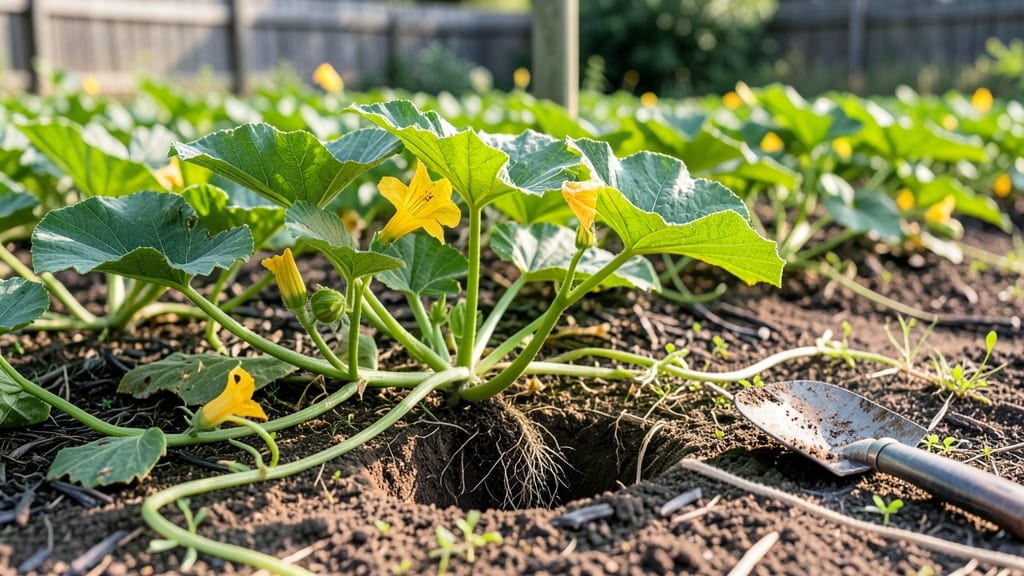
Squash spacing in garden depends on variety: bush types need 3-4 feet apart in all directions, while vining varieties like zucchini or pumpkins require 4-6 feet between plants and 5-6 feet between rows to prevent disease and ensure proper growth.
Proper spacing isn’t just about fitting plants in—it’s about giving them room to thrive. Bush varieties like acorn or pattypan squash stay compact, so 3-4 feet of space lets them spread their roots without competing for nutrients.
Meanwhile, vining types like spaghetti squash send out sprawling tendrils that need 5-6 feet between rows to avoid tangling and disease. I’ve seen crowded plants struggle with powdery mildew or stunted fruit—proper airflow makes all the difference. 🌱
For small gardens, consider vertical trellises to save space while still accommodating vining types. Pairing squash with marigolds or nasturtiums can also deter pests naturally. And don’t forget: cooler climates may need slightly tighter spacing to extend the growing season, while warmer areas benefit from extra room for vigorous growth.
The right layout turns a potential mess into a high-yielding, healthy harvest. ✨
💡 In This Article
- How Squash Growth Habits Affect Spacing Needs
- Optimizing Garden Layout for Squash Success
How squash growth habits affect spacing needs
Here's what's actually happening beneath the soil and above the vines: squash plants fall into two distinct growth categories that dictate their spacing needs.
Bush varieties like acorn or butternut squash develop a compact root system that spreads horizontally up to 2-3 feet wide, while their foliage stays contained within a 3-4 foot radius.
This compact growth allows them to thrive in tighter quarters because their energy focuses on producing fruit rather than extensive vine development. 🌿
The real game-changer is vining types like spaghetti squash or pumpkins, which send out sprawling tendrils that can reach 10-15 feet in length. These plants develop a deep taproot system that requires 4-6 feet between plants to prevent root competition for water and nutrients.
The vines themselves need this space to spread without smothering each other, which directly impacts fruit development—crowded vines produce smaller, lower-quality fruits. What most people don't realize is how sunlight plays a role too: vining types need 5-6 feet between rows to ensure all leaves get adequate light for photosynthesis.
Overcrowding creates a perfect storm of problems. First, poor airflow between plants traps moisture, creating ideal conditions for powdery mildew—a fungal disease that appears as white powdery spots on leaves. I've seen entire patches of squash collapse when this spreads unchecked.
Second, competing roots lead to nutrient deficiencies, where plants become stunted and produce smaller, less flavorful fruits. The science is clear: proper spacing ensures each plant gets 12-18 inches of topsoil for root development, which translates to healthier, more productive plants. 🌱
Even within these categories, there are important distinctions. For example, butternut squash (a vining type) typically needs 3-4 feet of space because its vines are less aggressive than pumpkin vines, while spaghetti squash requires the full 4-6 feet due to its vigorous growth habit.
Bush types like patypan squash can sometimes tolerate 2-3 feet spacing in ideal conditions, but this reduces yield potential. The key factor is matching the plant's natural growth pattern with available space.
Let's talk about what happens when you get it wrong. In my own garden, I once planted zucchini (a vining type) only 3 feet apart in an attempt to save space.
Within weeks, the plants were tangled, leaves were yellowing from nutrient competition, and the zucchini started developing powdery mildew on the undersides. The yield was half what I expected, and the fruits were smaller and less sweet.
Proper spacing isn't just about aesthetics—it's about maximizing your harvest while keeping plants healthy. ✨
One final consideration is how spacing affects pollination. Squash plants rely on bees for pollination, and crowded plants create barriers that make it harder for pollinators to navigate.
When you give plants proper space, you're also creating an environment where bees can efficiently move between flowers, leading to better fruit set. This is particularly important for varieties like acorn squash, which produce both male and female flowers that need proper pollination for fruit development. 🐝