
Picking
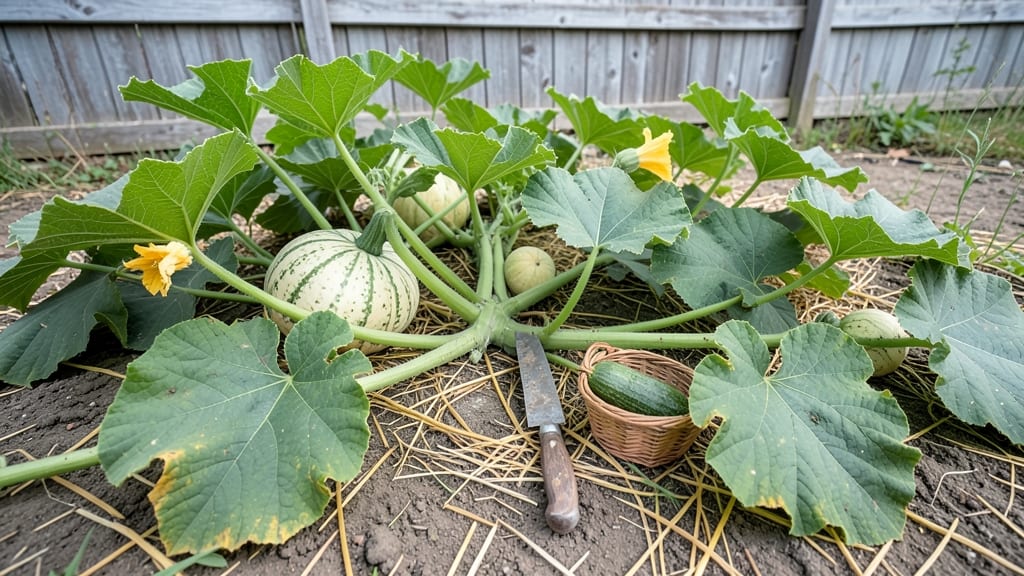
Picking squash from your garden at the right time ensures a tender, flavorful harvest 🎃 — and missing the window means tough, seedy disappointment.
Knowing exactly when to harvest your squash can mean the difference between a sweet, tender meal and a tough, seedy disappointment—here’s how to spot the perfect moment.
Summer squash like zucchini or yellow crookneck should be picked when they’re 6-8 inches long, with skin that resists a thumbnail and a deep, even color. For winter squash like butternut or acorn, wait until the rind is hard and the stem dries or snaps easily.
In Zone 6a, summer varieties peak in late July while winter squash mature by early fall. Below, I’ll walk you through the three foolproof signs your squash is ready—and how to handle it once you’ve picked it.
3 Key visual signs your squash is ready for harvesting
Harvesting squash at the right moment transforms your garden bounty from bland to bursting with flavor. Overripe squash becomes tough, seedy, and woody—while underripe fruit lacks sweetness and texture. The good news?
You don’t need a harvesting degree to tell when your squash is perfect. Three simple visual cues will guide you every time, saving you from the disappointment of missed timing.
Most gardeners wait too long, assuming bigger means better. But size isn’t everything—color, skin hardness, and even stem condition play critical roles. Ignore these signs, and you’ll end up with squash that’s either underdeveloped or overly mature.
Let’s break down the three foolproof visual clues to harvest your squash at peak perfection.
Fully Developed Color
Check for deep, consistent color—no green streaks on yellow squash or pale patches on butternut. Summer squash (like zucchini) should be bright green or golden yellow, while winter squash (like acorn or pumpkin) needs a rich, uniform hue.
Hard, Thick Skin
Press your thumbnail into the squash’s skin. If it doesn’t dent, it’s ready. Summer squash skin should feel slightly waxy, while winter squash skin should be rock-hard. Soft spots mean more time on the vine.
Dry, Woody Stem
Gently twist the stem near the squash. If it snaps cleanly (not pulls away), it’s ripe. A green, flexible stem means the squash needs more time, while a dry, brown stem signals overripeness—time to harvest before pests move in.
Variety matters! Summer squash (like zucchini or pattypan) should be 6-12 inches long when harvested young for tender flesh. Winter squash (like butternut or spaghetti) can wait until full size—often 12+ inches—since their skin thickens as they mature.
Pro tip: Check daily during peak harvest season (late summer to early fall) to avoid missing the window.
Watch for blossom-end rot—a sunken, discolored spot at the squash’s base—if you harvest too early. This happens when the fruit grows faster than its nutritional supply. Conversely, overripe squash develops wrinkled skin and a hollow sound when tapped. Both extremes ruin flavor, so timing is everything.
Morning is the best time to harvest. Cool temperatures preserve freshness, and squash harvested in the heat may overheat and spoil faster. Use a sharp knife or pruners to cut the stem, leaving a 1-inch stub to prevent disease.
Avoid dragging squash off vines—handle gently to protect the plant’s energy for future fruit.
Store summer squash in the fridge crisper for up to 5 days, while winter squash lasts months in a cool, dry place. Curing winter squash (placing it in 80°F for 10 days) deepens flavor and extends shelf life.
But if your squash is already overripe, roast it immediately—its sweetness peaks when other varieties turn tough.
Now you’re equipped to harvest like a pro! Next time you spy a squash in your garden, check its color, skin, and stem—and enjoy the reward of homegrown perfection at its peak. Happy harvesting! 🎃
How to test squash ripeness without guessing: the nail test explained
Determining the perfect time to pick squash from your garden can feel like a guessing game—until you learn the nail test. This simple trick helps you avoid harvesting too early (when squash is still tender) or too late (when seeds become bitter and tough).
The nail test is especially useful for summer squash like zucchini or winter squash like butternut, ensuring you pick at peak flavor and texture.
Here’s how it works: press your thumbnail firmly into the skin of the squash. If your nail leaves a slight dent but doesn’t puncture the skin, the squash is ready to harvest. If the skin gives way easily, it’s not ripe yet.
This method works for almost all varieties, from yellow squash to acorn squash, and saves you from cutting into underripe or overripe fruit.
⚠️
If your nail punctures the skin easily, the squash is overripe. Overripe squash develops bitter seeds and tough flesh, making it less enjoyable to eat. Harvest 2-3 days earlier to avoid this—especially for summer squash, which spoils faster than winter varieties.
For winter squash like pumpkins or butternut, you can leave it on the vine slightly longer (up to 10 days past full ripeness), but the nail test still applies to check skin hardness.
Beyond the nail test, pay attention to the color and size of your squash. For example, zucchini should be 6-8 inches long with a deep, glossy green skin, while butternut squash will turn a rich orange and feel heavy for its size.
Combine these visual cues with the nail test for the most accurate results.
Timing matters too—harvest summer squash in the morning when temperatures are cooler to preserve freshness. For winter squash, wait until the stem dries and hardens near the fruit, which usually happens in late summer or early fall.
Curing winter squash in a warm, dry place for 10 days after harvest enhances flavor and storage life.
Pro tip: Use a sharp knife or pruning shears to cut squash from the vine, leaving a 1-inch stem attached. This prevents damage to the plant and helps the squash store longer. Avoid pulling or twisting, which can bruise the fruit or harm the vine.
Now that you’ve mastered the nail test, you’ll never second-guess when to pick squash from your garden again. Happy harvesting—and enjoy that perfect, tender squash at its peak! 🎃